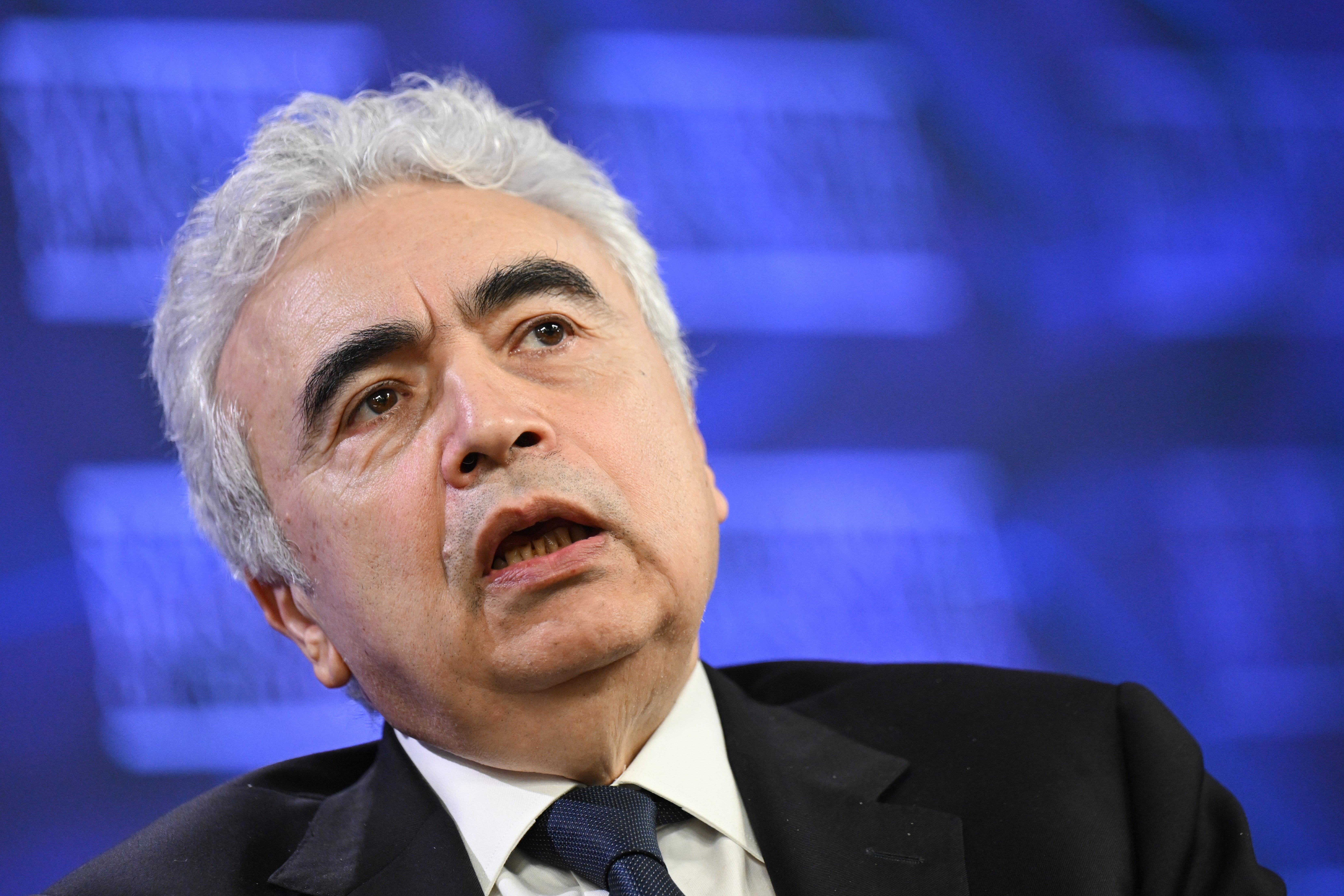
The head of the International Energy Agency declared Thursday that global energy security is facing its most dire threat in history, as the war in Iran effectively closes the Strait of Hormuz and disrupts vital commodity flows.
“We are facing the biggest energy security threat in history,” IEA Executive Director Fatih Birol told CNBC, underscoring the severity of a crisis that has already removed 13 million barrels per day from global markets. Before the conflict, roughly one-fifth of the world’s oil consumption passed through the narrow waterway near Iran each day.
Birol warned that the situation is deteriorating daily, with each day of warfare prolonging the eventual recovery. The IEA, an organization of 32 oil-consuming nations including the United States, along with 13 association countries, has responded by coordinating a release of 400 million barrels from strategic reserves last month.
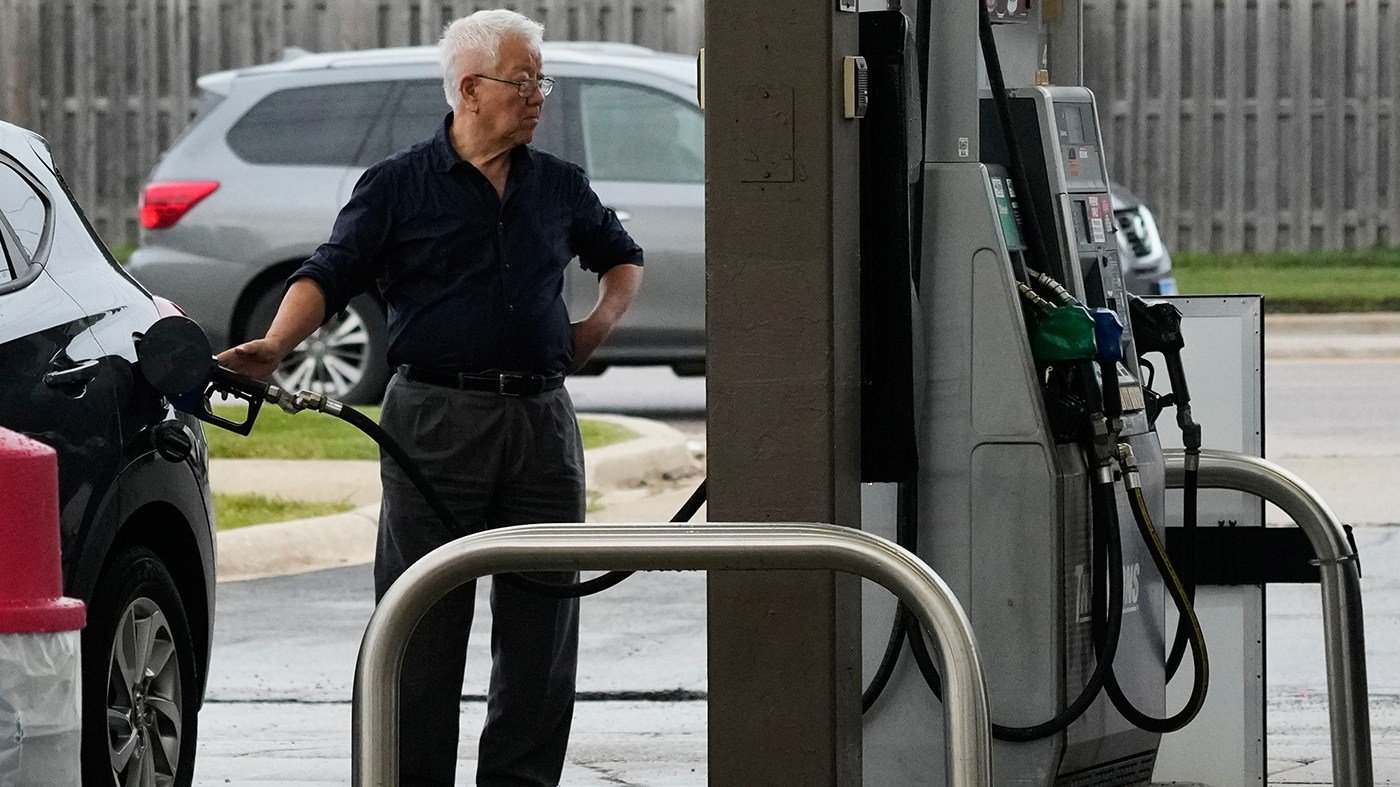
The energy shock has sent oil prices soaring since the U.S. military campaign against Iran began. American motorists are feeling the pain at the pump, with the national average gasoline price hitting $4.03 per gallon on Thursday—more than a dollar higher than pre-war levels.
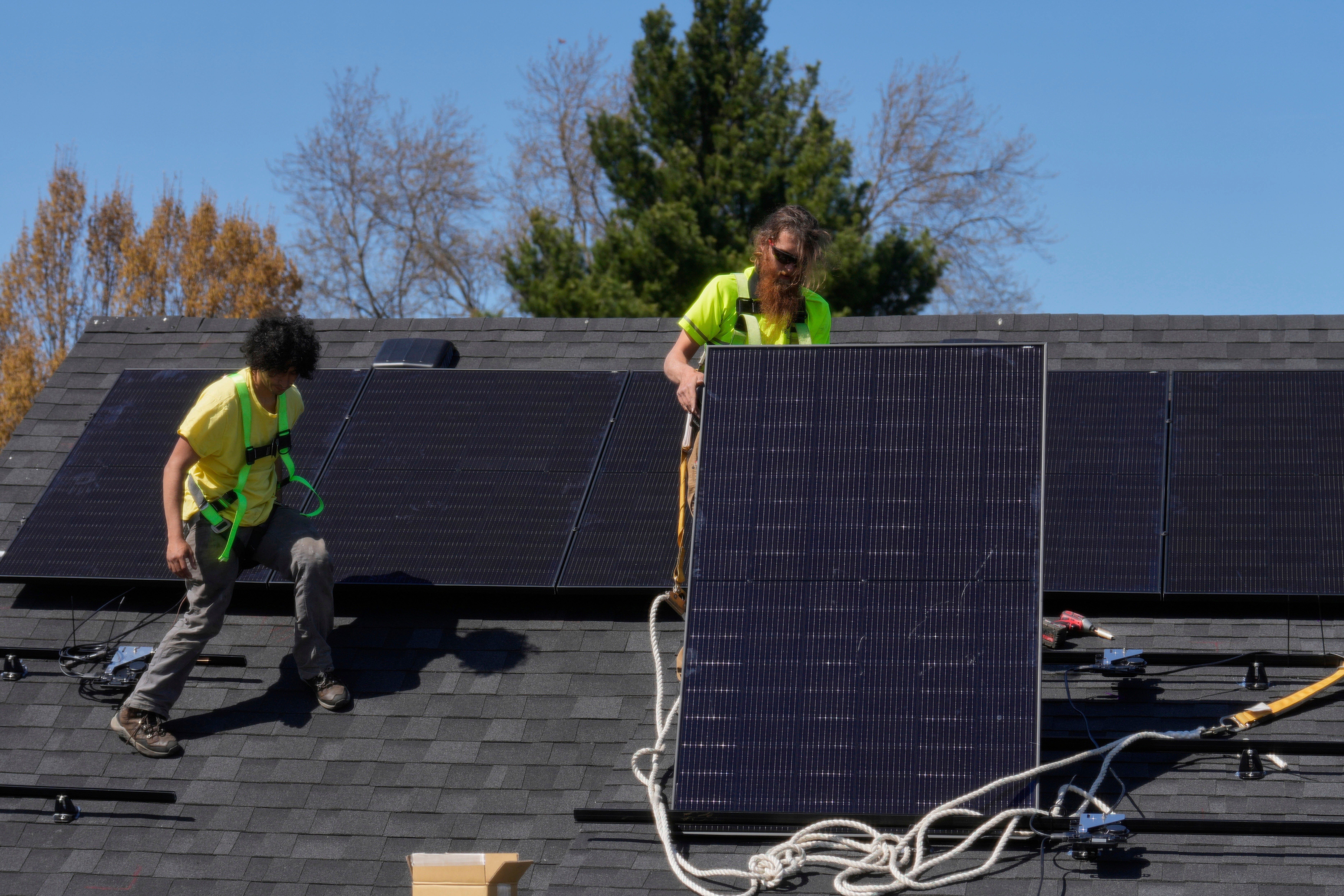
This crisis is unfolding against a backdrop of broader geopolitical tensions that are accelerating a global shift toward renewable energy and nuclear power, as nations seek to reduce dependence on volatile oil chokepoints. The IEA’s warning comes as the Senate GOP recently passed a budget for DHS funding while the Trump administration threatened Iranian vessels, further escalating the confrontation.
The agency’s stark assessment highlights the fragility of global energy infrastructure and the cascading economic consequences of military conflict in one of the world’s most strategic waterways. With no end to the war in sight, analysts expect continued pressure on supply chains and consumer prices.