The recent conflict involving Iran has triggered another predictable surge in global energy prices, demonstrating the persistent fragility of a system reliant on geopolitically unstable regions. Oil, natural gas, and LNG markets have all reacted sharply, reinstating a significant risk premium even without physical supply cuts. For importing nations, the message is unequivocal: over-reliance on distant, volatile suppliers constitutes a permanent strategic liability.
The European and Asian Pivot
In response, Europe and Asia are executing a decisive strategic turn. The drive is no longer motivated by climate policy alone but by a fundamental need for security. Europe's accelerated departure from Russian gas has transformed into a broader push for energy independence, heavily investing in wind, solar, and critical grid modernization. Concurrently, nuclear power is undergoing a reassessment. France is expanding its reactor program, and other nations are halting planned phase-outs, recognizing nuclear's role in providing stable, domestic baseload power.

Japan, a top LNG importer, mirrors this strategy. It is reactivating idled nuclear plants, funding advanced reactor research, and rapidly scaling renewable deployment. For Tokyo, diversifying away from fossil fuel imports is a non-negotiable imperative for national security.
China's Calculated Ascent
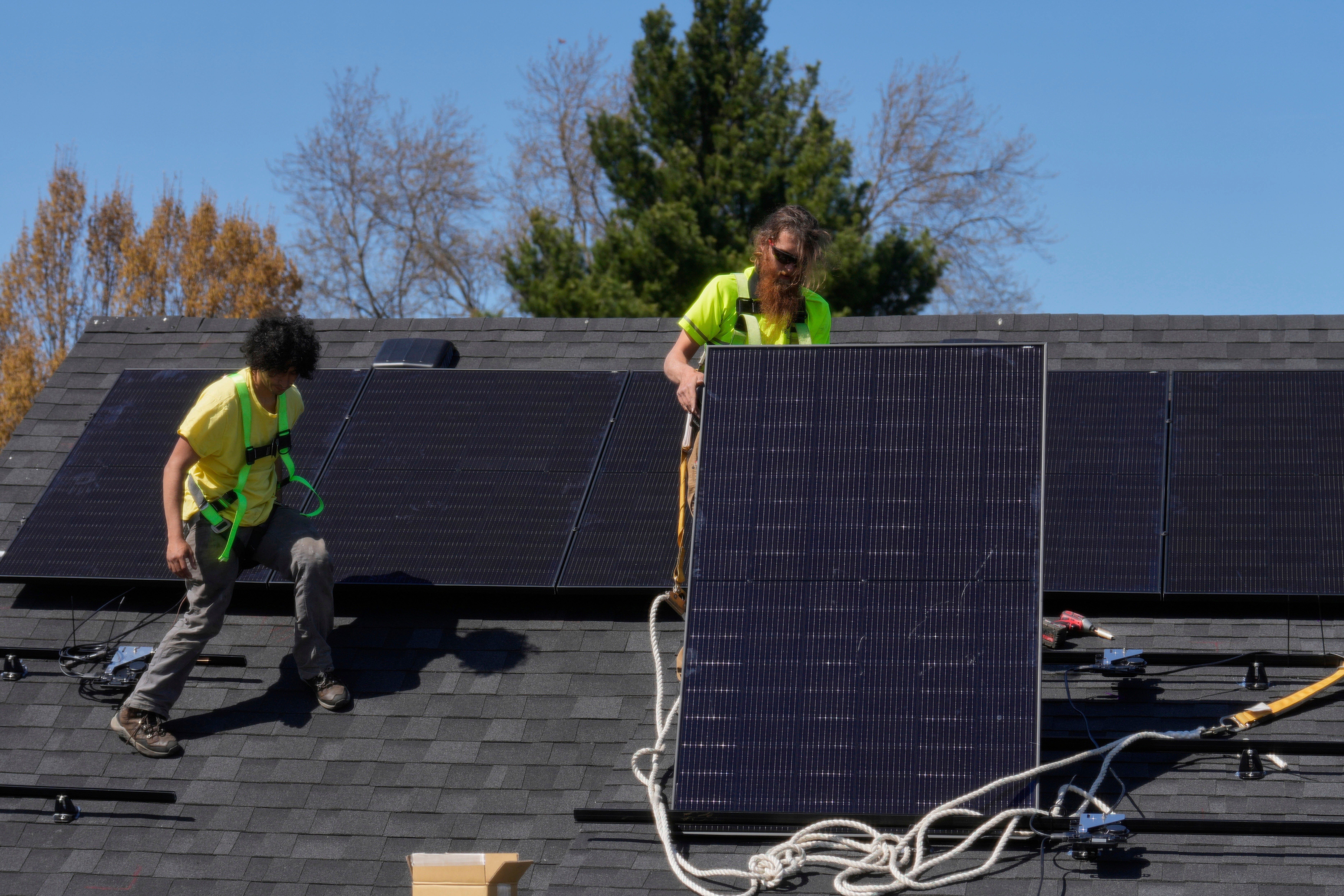
While China remains exposed to Middle Eastern supply chains, it has spent the last decade aggressively insulating itself through a monumental buildout of renewable energy infrastructure. The nation now leads the world in installed solar and wind capacity and dominates the global manufacturing supply chains for panels, turbines, and batteries. This position was prominently displayed at the recent COP30 conference, where China's clean energy prowess took center stage.
This is a deliberate geopolitical maneuver. By establishing itself as the primary global supplier of clean energy technology, China ensures that countries seeking to reduce fossil fuel dependence become reliant on Chinese equipment and financing, extending its strategic influence. The Trump administration's approach to energy aid stands in stark contrast to this long-term, state-backed strategy.
The American Strategic Dilemma
The United States faces a dual challenge. Its role as the world's leading LNG exporter, crucial for supporting European allies after Russia's invasion of Ukraine, remains vital. However, leadership in natural gas cannot be the sole definition of American energy power in the 21st century.
If allies are building diversified grids based on renewables, nuclear, and storage, the U.S. must compete across that entire technological spectrum. China's commanding lead means the American response must be strategic and substantial, not incremental. This requires massive domestic investment in renewable capacity, supported by next-generation transmission grids and a national priority on large-scale energy storage to unlock the full potential of variable sources.
The Nuclear Imperative
Advanced nuclear technology, particularly small modular reactors (SMRs), represents a critical avenue for U.S. leadership. These systems offer reliable, carbon-free power and present a major export opportunity, providing partner nations with a secure alternative to both fossil fuels and Chinese-built energy infrastructure. Success hinges on accelerating development and creating viable export frameworks.
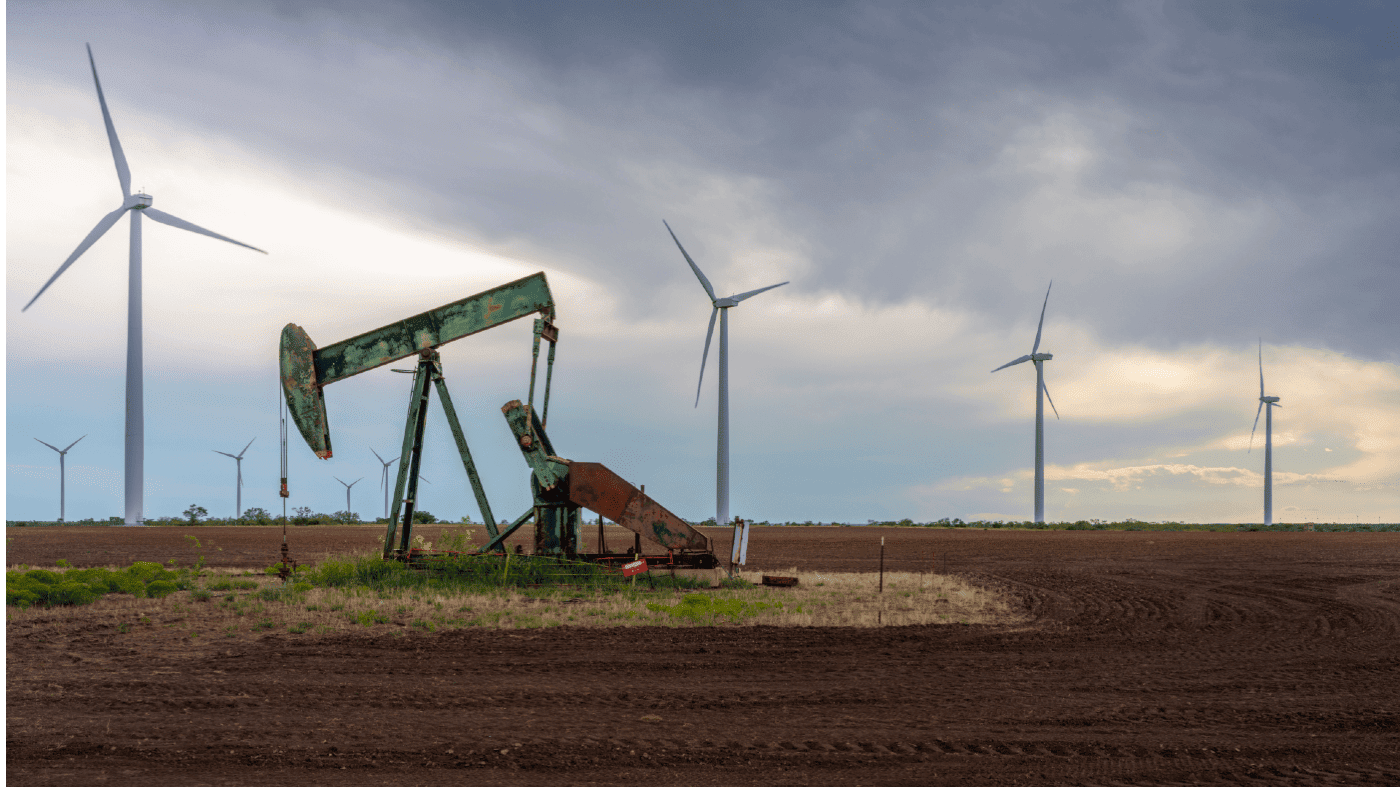
Competing effectively will also demand deeper collaboration with allies. No single nation can match China's scale alone, but through coordinated investment, shared technical standards, and joint financing, the U.S. and its partners can construct a credible alternative supply chain. This effort occurs amid domestic policy tension, as the current administration's focus on traditional fossil fuel production, a stance highlighted when Senator Markey accused the President of exacerbating crisis in the Strait of Hormuz, risks ceding the future energy landscape.
The instability emanating from the Persian Gulf has made the urgency of this transition undeniable. For the U.S., the path is clear: maintain strength in LNG exports while aggressively investing in the full suite of future energy technologies. This means championing renewables, pioneering advanced nuclear, and forging strong international partnerships to offer the world a democratic alternative to China's clean energy hegemony. The future of global influence will belong to those who control not just energy resources, but the technologies and systems that power modern economies.