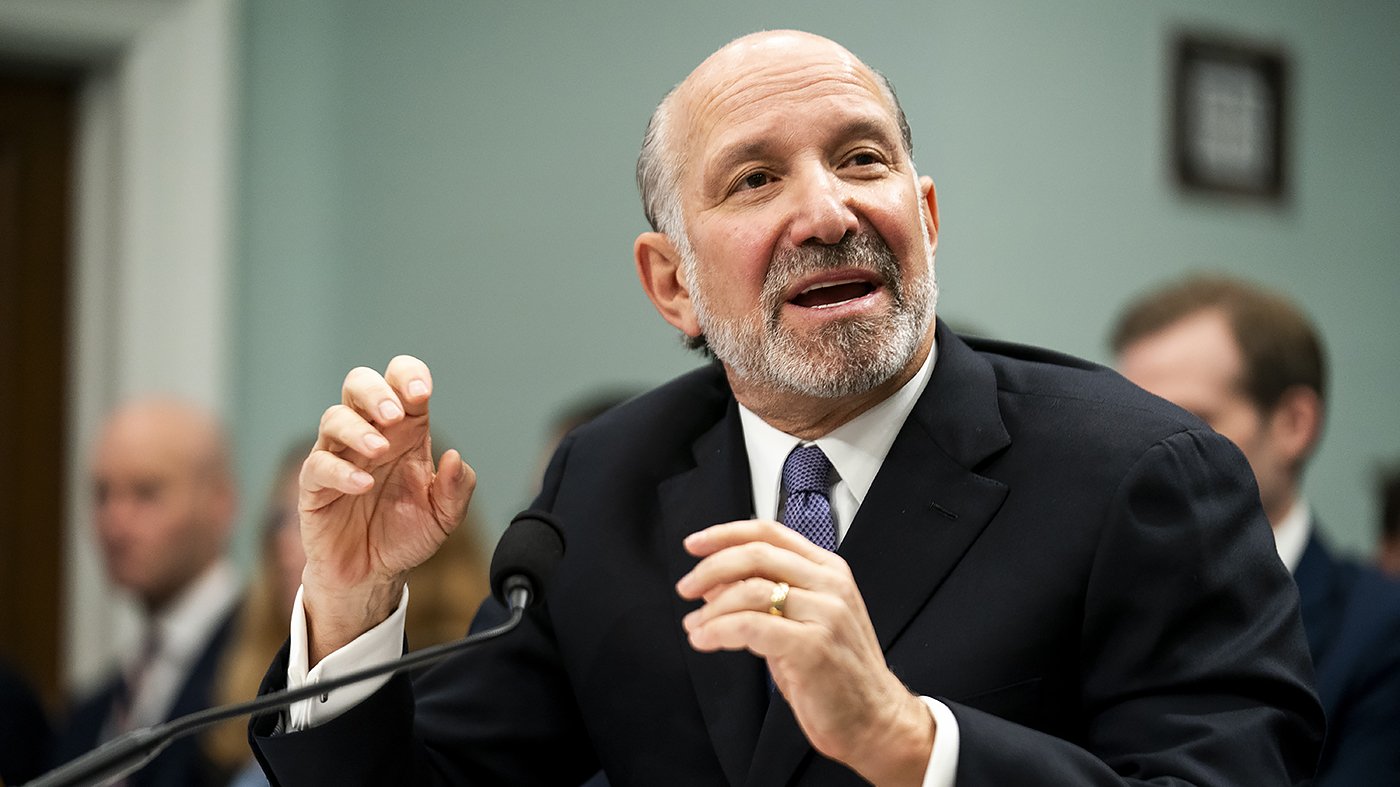
Commerce Secretary Howard Lutnick told a House panel Thursday that the Trump administration has approved just a single applicant for its controversial $1 million “Gold Card” visa, a program designed to fast-track wealthy foreigners to U.S. citizenship.
“They have approved, recently, one person, and there are hundreds in the queue,” Lutnick said during testimony before the House Appropriations Committee. “They wanted to make sure they did it perfectly.”

The identity of the approved applicant was not disclosed, but Bloomberg reported that Jeffrey Chao, founder of networking equipment maker TP-Link Systems, had applied for the visa and was awaiting a decision. The Commerce Department is reportedly investigating Chao’s company over its ties to China, adding a layer of complexity to the approval process.
The “Gold Card” program requires applicants to pay a nonrefundable $15,000 processing fee and, if approved, contribute a $1 million donation to the U.S. government. An executive order establishing the visa outlines two categories: EB-1 for individuals with “extraordinary ability” and EB-2 for those with “exceptional ability,” according to Fortune.
Legal challenges have already emerged. Two groups have filed lawsuits against the measure, arguing it bypasses standard immigration procedures and prioritizes wealth over merit.
In a separate, high-profile gesture, President Trump granted a “Gold Card” free of charge to rapper Nicki Minaj earlier this year after she publicly praised the president during an event promoting “Trump accounts” for newborns. That move drew criticism from immigration advocates who say the program rewards political loyalty rather than economic contribution.
The rollout of the “Gold Card” comes as the Trump administration pushes forward with what it calls the largest deportation operation in U.S. history. Since the start of the second Trump term, federal immigration authorities have ramped up removal operations, and around 60,000 migrants from the Caribbean recently lost their Temporary Protected Status, leaving them vulnerable to deportation.
The program’s slow start raises questions about its viability as a revenue-generating tool and its broader impact on U.S. immigration policy. Critics argue it creates a two-tier system that benefits the ultra-wealthy while the administration simultaneously cracks down on other immigrants. Supporters, however, see it as a way to attract capital and talent to the U.S. economy.
As the administration continues to tighten citizenship stripping cases and push forward with deportations, the “Gold Card” program remains a flashpoint in the national debate over who gets to call America home.