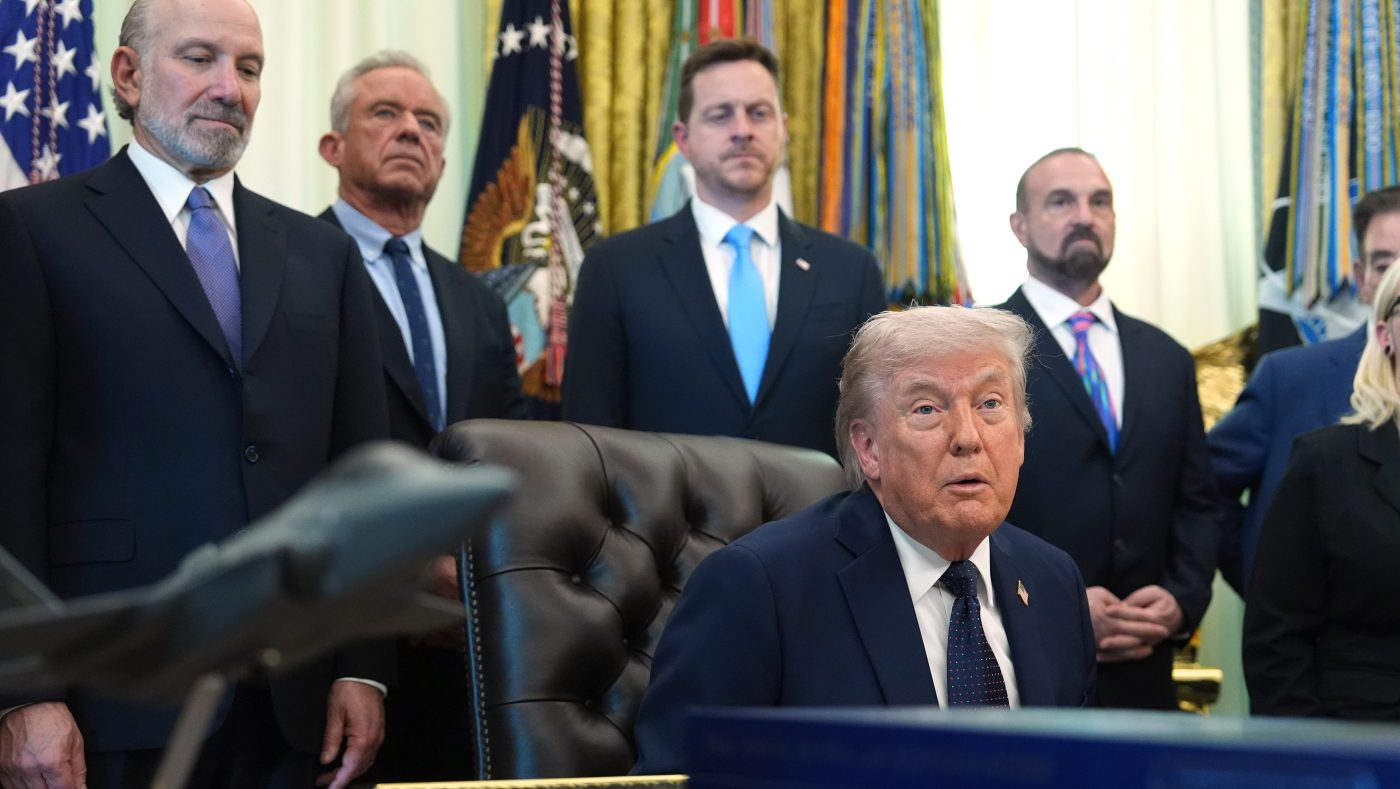
President Trump announced Thursday that the U.S.-brokered ceasefire between Israel and Lebanon will be extended by three weeks, following a high-level meeting at the White House. The extension comes after Trump hosted what he called a “very Historic Meeting” with representatives from both sides, including Vice President Vance, Secretary of State Marco Rubio, and the U.S. ambassadors to Israel and Lebanon.
Trump posted the news on Truth Social, writing that he looks forward to hosting Israeli Prime Minister Bibi Netanyahu and Lebanese President Joseph Aoun in the near future. The meeting included “high ranking” officials from both countries, signaling a rare moment of direct diplomacy between the two neighbors.
The original 10-day ceasefire, announced earlier this month after Trump’s “excellent conversation” with Netanyahu and Aoun, had already helped de-escalate cross-border violence. But the situation grew fragile after Israel launched new strikes against Hezbollah, the Iran-backed militia operating in Lebanon. The U.S. and Israel insisted those strikes were not covered by the initial truce, while Iran and Pakistan—who mediated the earlier deal—argued otherwise.
The extended ceasefire is designed to prevent further Israeli targeting of Hezbollah positions, with the goal of reducing civilian casualties. However, Hezbollah has rejected the talks and stated it will not abide by any agreements reached through direct U.S.-led negotiations, according to the Associated Press.
The Israel-Lebanon ceasefire is also closely tied to broader U.S.-Iran tensions. Trump had earlier extended Washington’s ceasefire with Tehran indefinitely, but a second round of U.S.-Iran talks expected in Islamabad did not take place this week. The president has signaled frustration with the pace of those negotiations, as Haberman reported Trump wants to move on from the Iran talks.
Meanwhile, Trump’s tough stance on Iran remains a flashpoint. On Thursday, he directed the U.S. military to “shoot and kill” any vessel caught laying mines in the Strait of Hormuz, a key oil shipping route. That threat drew sharp condemnation from Tehran, which accused the U.S. of state-sponsored terrorism after Trump shared the “kill quote” publicly.
Defense analysts view the ceasefire extension as a positive step that could reduce the risk of a wider regional war, but they caution that Hezbollah’s refusal to participate undermines its durability. The White House is now focused on keeping the lines of communication open with both Israel and Lebanon, while also managing the volatile Iran file.
Trump also ruled out using nuclear weapons against Iran in recent days, citing conventional military success instead. But the situation remains fluid, with the Strait of Hormuz closure threat and ongoing Hezbollah attacks complicating any lasting peace.