The Trump administration is encountering a rising tide of conservative opposition to its proposed rescue of Spirit Airlines, with GOP lawmakers and strategists warning that the plan could undermine the party's free-market principles ahead of the midterm elections.
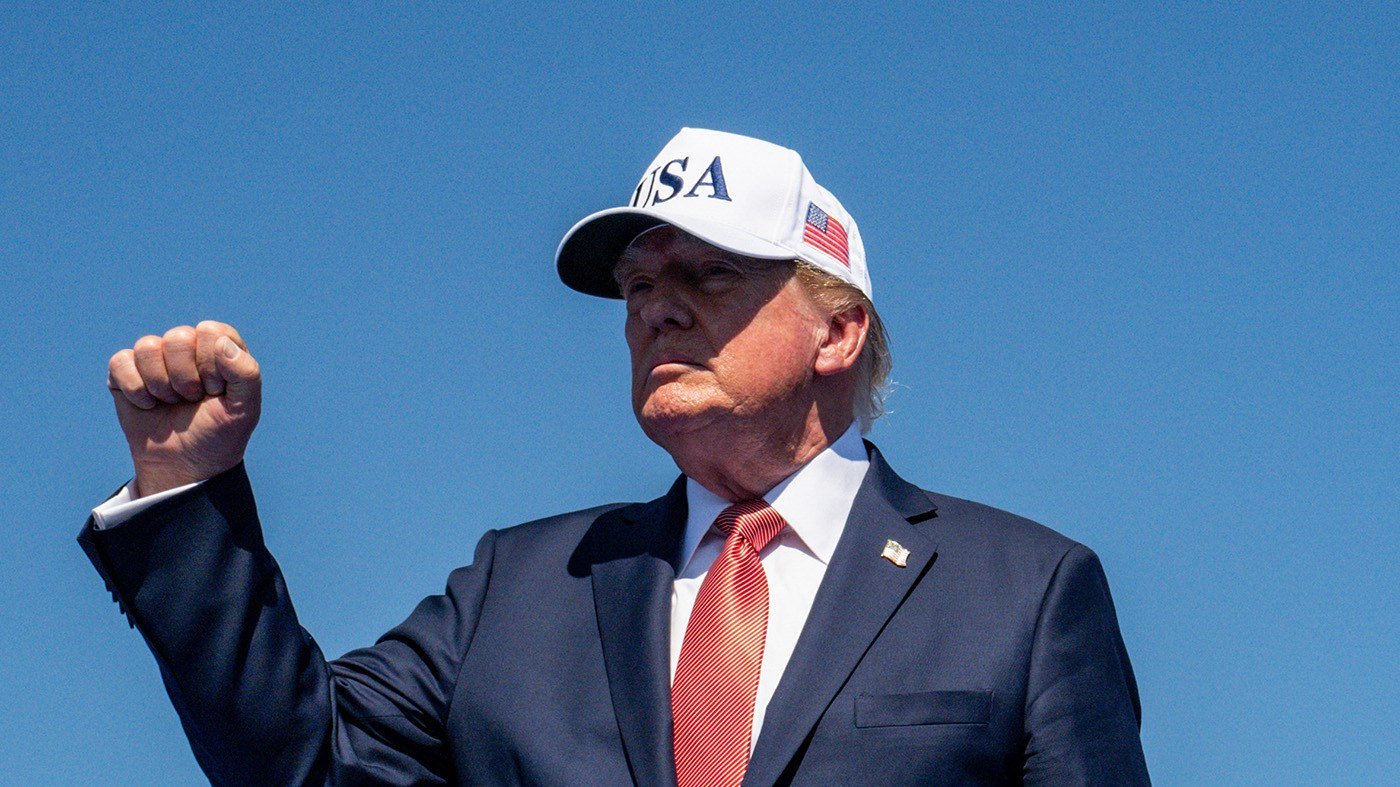
President Trump first signaled support for a bailout earlier this week, after reports emerged that the administration was weighing a $500 million lifeline for the struggling budget carrier. A lawyer for Spirit confirmed it is in discussions with federal officials about financing options.
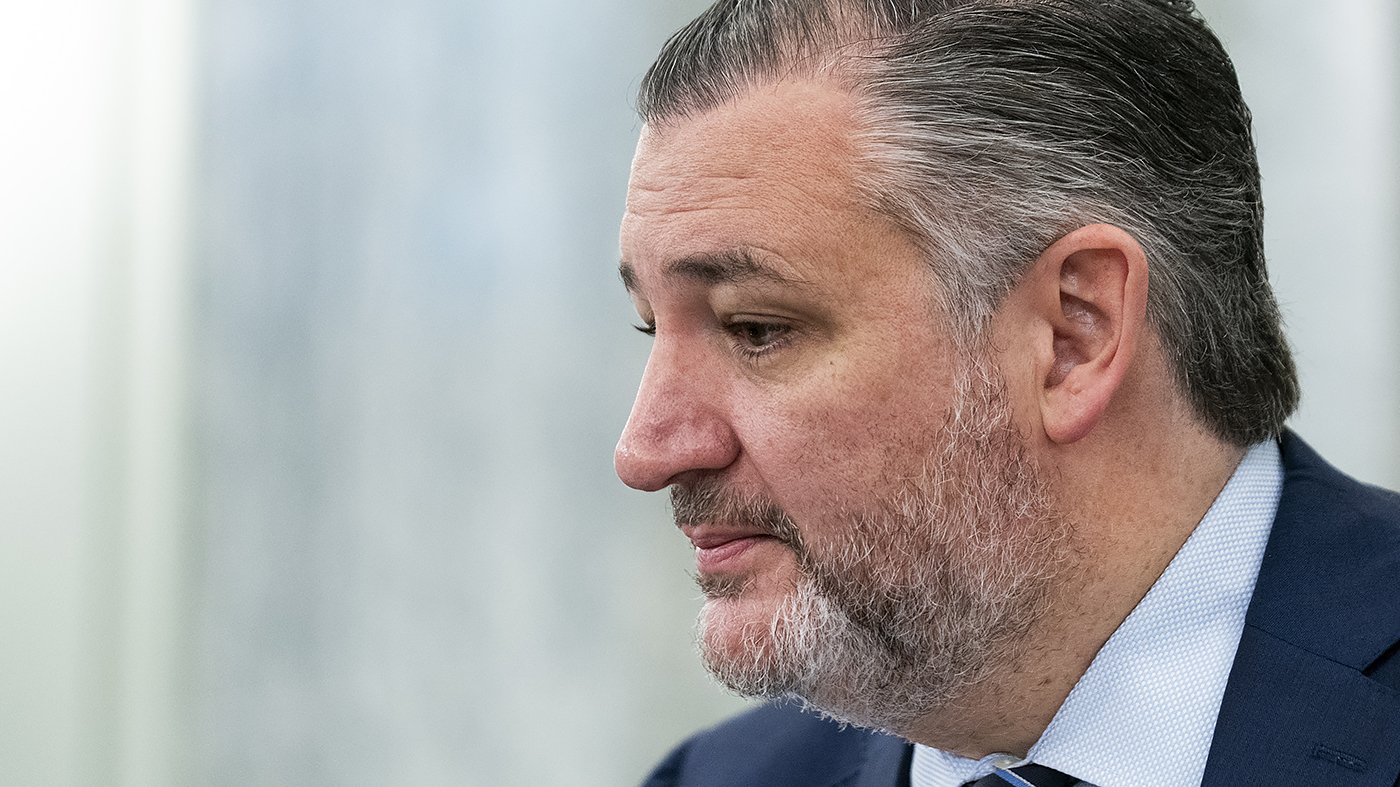
Senators Ted Cruz (R-Texas) and Tom Cotton (R-Ark.), both staunch Trump allies, were quick to denounce the idea. Cruz called it “a terrible idea” on social media, while Cotton said it was “not the best use of taxpayer dollars.” Senator Mike Lee (R-Utah) joined the fray, arguing that “competition among airlines suffers when government bails them out.” Senator Ted Budd (R-N.C.) added that “Americans shouldn’t be on the hook for another failing business as its competition thrives.”
The backlash echoes the Tea Party movement of 2009, which was fueled by anger over the Troubled Asset Relief Program (TARP) bailouts during the financial crisis. Several key GOP figures—including Cruz, Lee, Tim Scott (R-S.C.), Secretary of State Marco Rubio, and Transportation Secretary Sean Duffy—rose to prominence during that wave. Marc Short, chair of Advancing American Freedom and a former Trump legislative affairs director, noted, “The Tea Party Patriots were the precursor to MAGA, and I think there’s a lot of members that know that.”
Duffy himself has expressed skepticism about the rescue. According to The Wall Street Journal, he was not in favor of the plan, and during a Reuters interview on Wednesday, he questioned its wisdom. “There’s been a lot of money thrown at Spirit, and they haven’t found their way into profitability,” Duffy said. “Would we just forestall the inevitable and then own that? If no one else wants to buy them, why would we buy them?”
One Republican strategist, speaking on condition of anonymity, warned that the rift could widen. “These guys are busting out,” the strategist said. “It’s also bad for the president because it opened a crack. The Senate has been very deferential to him.” The strategist added that a bailout could hurt the GOP in the midterms, especially with inflation high and public confidence in government low: “The last thing that any taxpayer or voter wants to see is the government spending money on a failed airline.”
An airline industry source called the potential bailout “spectacularly bad judgment,” noting that Spirit controls only about 3.5% of the market. “If you thought you were losing somebody critical to competition, that would be a different conversation. You’re talking about Spirit Airlines,” the source said. “I guarantee you that the rest of the industry is going to pick up the valuable pieces here.”
The controversy comes as the administration has already invested $20.9 billion in private sector companies, according to the Council on Foreign Relations. Critics point to the contrast with the administration’s handling of other industries, such as steel, where it allowed the Japanese firm Nippon Steel to acquire U.S. Steel in 2025. “There’s a part of me that’s saying why not when it was US Steel?” Short asked. “Why not when it’s been multiple different state-owned enterprises that this administration has ventured into?”
Spirit has been in financial distress since the pandemic, filing for Chapter 11 bankruptcy in November 2024 and again in August 2025. The Biden administration previously blocked a proposed merger between Spirit and JetBlue in 2023, a decision the White House now blames for the airline’s woes. White House spokesperson Kush Desai said in a statement, “Spirit Airlines would be on a much firmer financial footing had the Biden administration not recklessly blocked the airline’s merger with JetBlue. The Trump administration continues to monitor the situation and overall health of the U.S. aviation industry.”
JPMorgan Chase analysts project that Spirit’s operating margin could fall from -7% to -20% in fiscal 2026 if fuel prices stay above $4.60 a gallon, underscoring the carrier’s precarious position.