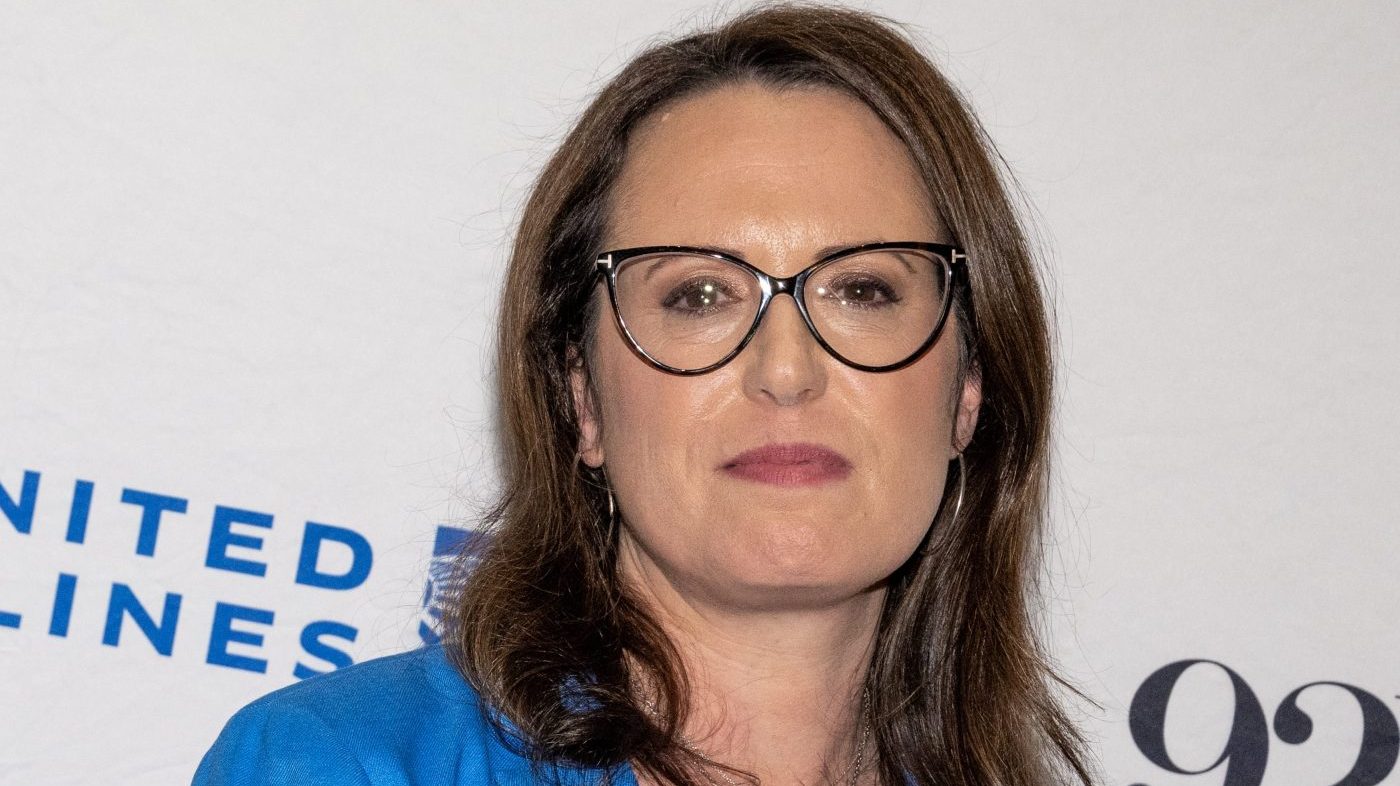
New York Times White House correspondent Maggie Haberman said Wednesday that President Trump appears eager to conclude the Iran war, signaling frustration as diplomatic negotiations drag on without a clear resolution.
“Look at his Truth Social feed now, or listen to the roughly 40 minutes that he spent on ‘Squawk Box’ yesterday. … He’s clearly frustrated. He’s voicing that, you know, almost every day,” Haberman told CNN’s Kaitlan Collins on “The Source.”
Haberman’s assessment comes as the administration pursues multiple tracks to end hostilities with Tehran. She noted that each party in the talks holds a different view of how the conflict might end. Jared Kushner, the president’s son-in-law, and Steve Witkoff, the U.S. special envoy to the Middle East, see the situation from one vantage point, while Pakistan and Iran approach mediation from another.
“I think Karoline Leavitt is not wrong. They [Kushner and Witkoff] clearly do know who they are talking to. It just doesn’t mean that everything is continuous. And my sense is the president would like to just be done with this, and he has other things he’d like to focus on, but wars are intractable,” Haberman said.
Vice President Vance was scheduled to hold talks with Iranian officials in Islamabad, Pakistan, earlier this week, but those negotiations were postponed. Meanwhile, the Trump administration announced a three-week extension of the ceasefire between Israel and Lebanon on Thursday. The U.S.-Iran ceasefire was also extended indefinitely, pending Tehran’s agreement to a broader deal.
Former national security adviser John Bolton has publicly criticized the ceasefire strategy, calling it a “mistake” that strengthens Iran’s hand. “The country that benefits from the ceasefire is Iran. They have been getting pounded, and now they’ve had two to three weeks of relief from it, and the prospect of more in store if negotiations get started,” Bolton said recently on CNN.
The Wall Street Journal went further, labeling Trump a “sucker” for agreeing to ceasefires that have not reopened the Strait of Hormuz to commercial shipping. Trump fired back, arguing that U.S. strikes have severely damaged Iran’s navy and air force, reducing its ability to threaten regional stability.
This dynamic echoes broader tensions in Trump’s foreign policy, including his recent decision to rule out nuclear strikes on Iran, citing conventional military successes. The administration’s handling of the conflict also comes amid accusations from Tehran that Washington is engaging in state-sponsored terrorism, following a controversial social media post by the president.
With talks stalled and critics on both sides, Haberman’s reporting underscores a White House eager to move past a war that has become a political and strategic liability. Whether Trump can achieve a clean exit remains uncertain, as the complexities of the region continue to resist simple solutions.