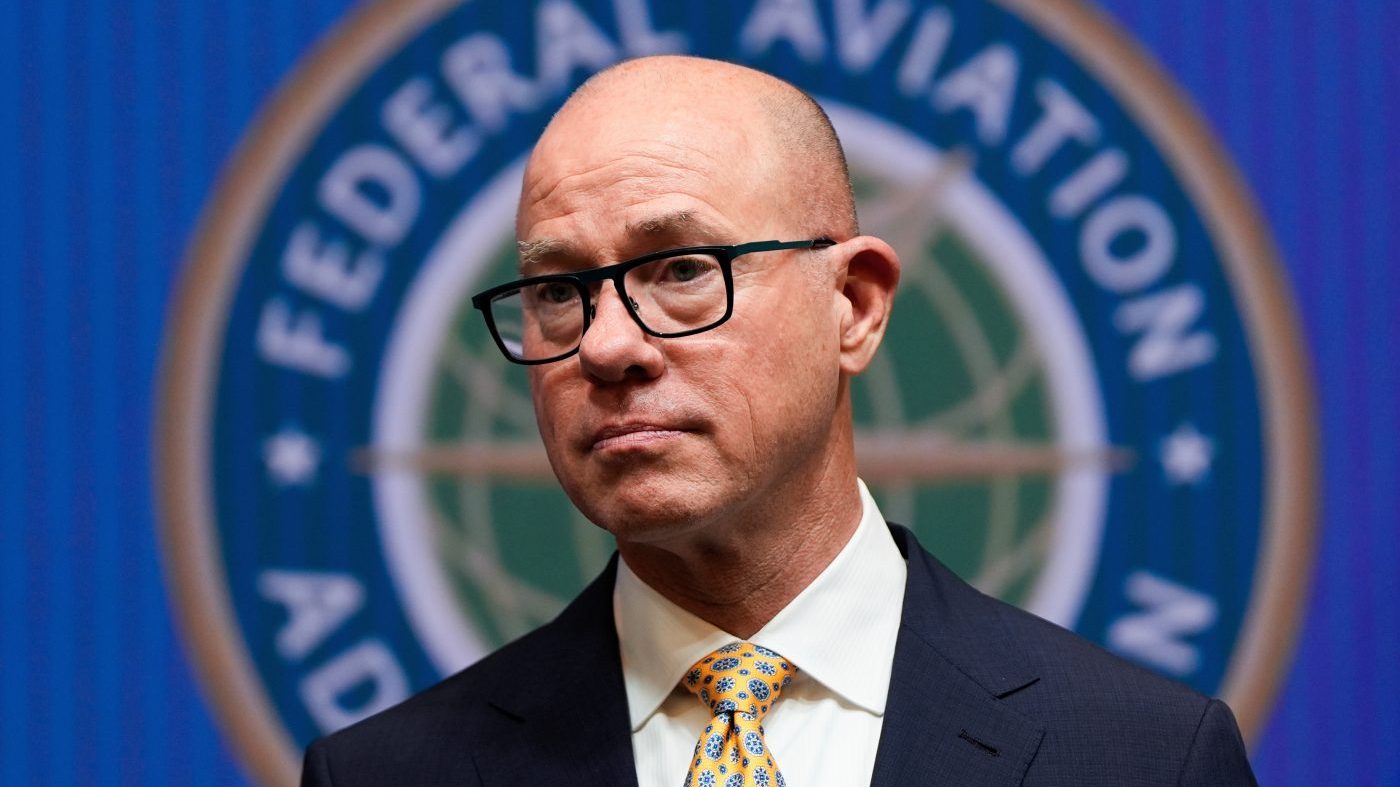
Senate Democrats escalated their scrutiny of Federal Aviation Administration (FAA) Administrator Bryan Bedford on Thursday, demanding a formal investigation into his handling of stock divestiture requirements. In a letter to Department of Transportation Deputy Inspector General Mitch Behm, Senators Maria Cantwell (D-Wash.), Tammy Duckworth (D-Ill.), and Ed Markey (D-Mass.) accused Bedford of reaping profits that they say “violated his ethics agreement.”
The controversy centers on Bedford’s delay in selling his shares in Republic Airways, a company he previously led as CEO. Under federal ethics rules, Bedford was required to divest his holdings within 90 days of his Senate confirmation as FAA chief. He missed an early October deadline, and the senators point to evidence that he held onto the stock until after Republic completed a significant merger with Mesa Air Group in November. That timing, they argue, likely increased his payout substantially.
Bedford’s financial disclosure report, obtained by the senators, shows he ultimately sold his Republic shares for more than $25 million. He had previously reported holding stock valued between $6 million and $30 million. The discrepancy has fueled allegations that Bedford prioritized personal gain over ethical obligations.
“The reason for this divestiture obligation is obvious: As the FAA Administrator, Mr. Bedford wields significant authority and influence over the regional airline industry and could take official actions to benefit Republic and thus himself,” the senators wrote in their letter. They noted that during his nomination hearing, Bedford testified, “I will fully comply with all applicable ethics laws and obligations.” But they added, “Mr. Bedford failed to do so.”
The Office of Government Ethics reportedly notified senators in December that Bedford had violated his ethics agreement. In response, Bedford told lawmakers that month he would recuse himself from issues related to Republic’s financial matters. He has defended his actions, telling Politico he followed advice from career ethics officials and “played it right down the fair way, completely transparent, open, honest about where I was at, what I was trying to accomplish.”
The senators, however, characterized his conduct as a “disregard for his ethical commitments, inconsistent explanations for his actions, and lack of transparency in this matter,” arguing that it “present[s] serious ethical concerns and further questions that demand full and frank answers.”
The FAA has not yet commented on the letter. This latest push comes amid broader political battles in Washington, where congressional approval ratings have hit near-record lows, and Democrats are seeking to hold the administration accountable on ethics issues. The investigation request also follows a pattern of heightened oversight of federal officials’ financial dealings, as seen in recent controversies over political interference at the CDC.
Bedford’s stock sale has become a flashpoint for critics who argue it undermines public trust in the FAA’s independence. The agency oversees safety regulations and airline mergers, areas where Bedford’s past ties to Republic Airways raise conflict-of-interest questions. The senators are pressing for a thorough probe to determine whether Bedford’s actions violated federal ethics laws and whether any official decisions were improperly influenced.