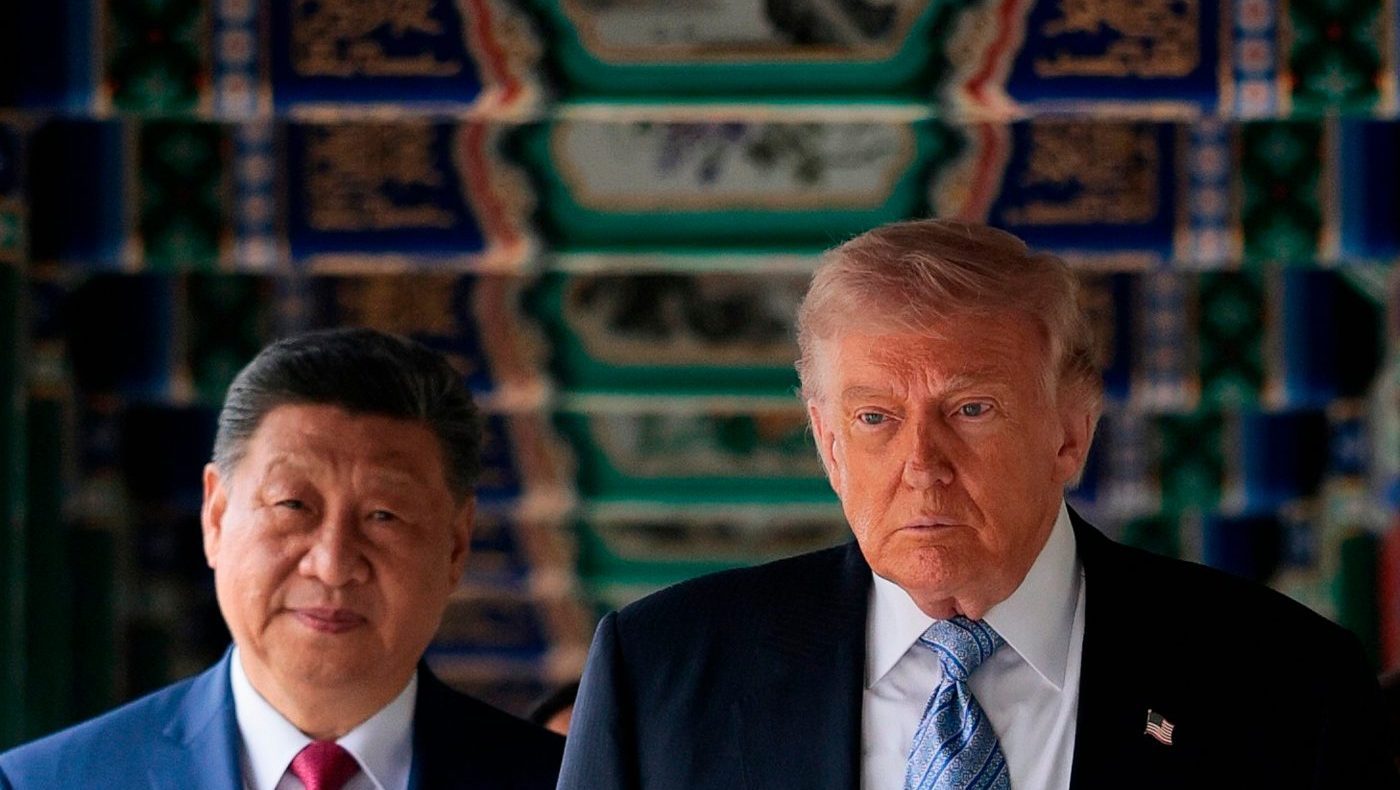
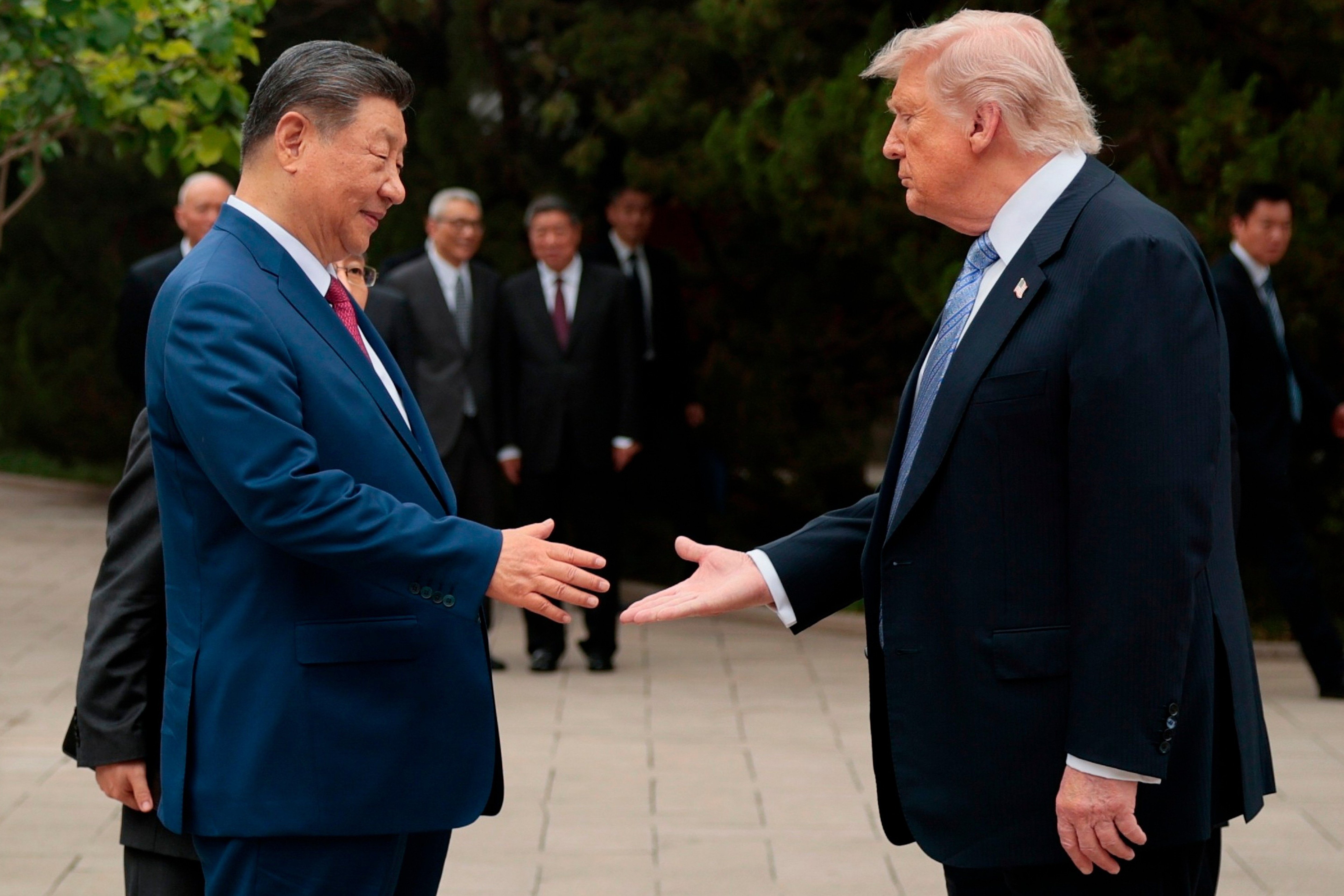
The White House escalated its technology confrontation with Beijing on Thursday, publicly accusing Chinese entities of orchestrating what it called “industrial-scale” campaigns to siphon cutting-edge artificial intelligence models from American companies. The charge comes just weeks before President Trump is scheduled to travel to Beijing for talks with Chinese President Xi Jinping.
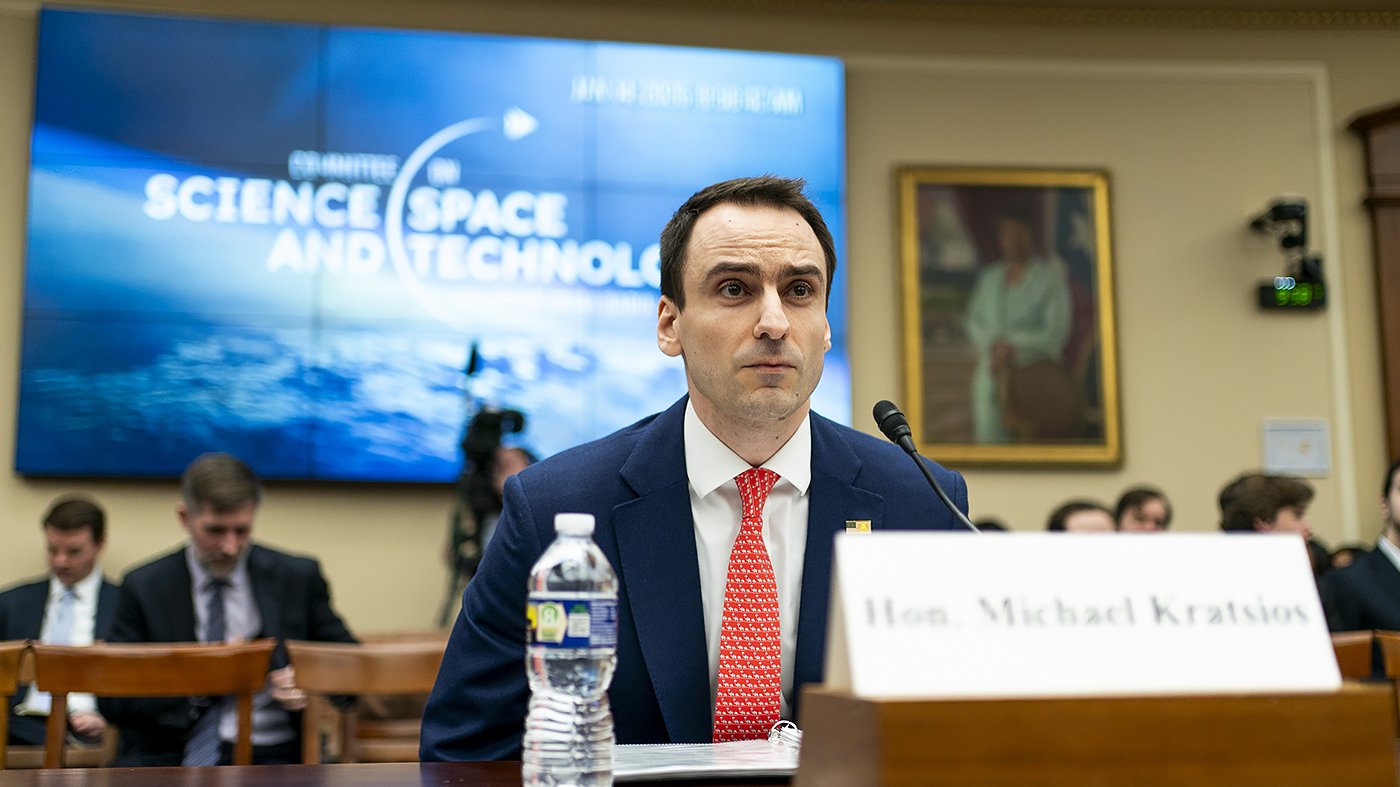
Michael Kratsios, director of the White House Office of Science and Technology, laid out the allegations in a memo that described a systematic effort to extract the core capabilities of U.S.-developed frontier AI systems. According to Kratsios, Chinese actors are deploying thousands of proxy accounts and jailbreaking techniques to bypass security measures and obtain proprietary information. The process, known as distillation, uses outputs from a stronger AI model to train less capable ones.
“These coordinated campaigns systematically extract capabilities from American AI models, exploiting American expertise and innovation,” Kratsios wrote. The resulting models, he noted, do not match the full performance of the originals but allow foreign actors to release products that appear comparable at a lower cost. More concerning, the stripped-down versions often lack the security protocols embedded in U.S. versions, creating national security risks.
The Trump administration is now sharing intelligence about these campaigns with U.S.-based AI companies and plans to work with the private sector on countermeasures. “There is nothing innovative about systematically extracting and copying the innovations of American industry, and there is nothing open about supposedly open models that are derived from acts of malicious exploitation,” Kratsios added.
The memo, first reported by The Financial Times, marks a sharp public rebuke ahead of Trump’s scheduled meeting with Xi. The two leaders are expected to discuss a range of issues, including trade and technology, but the timing of the accusation suggests the White House is seeking leverage. Tensions over technology have long simmered between the two powers, with the U.S. repeatedly tightening restrictions on the transfer of American tech to China amid the high-stakes AI race.
Trump has faced criticism from within his own party for his handling of chip exports. Late last year, he drew backlash for allowing Nvidia to sell its H200 chips to China, which are more powerful than the H20 chips designed to comply with U.S. export controls. After initially restricting H20 sales earlier this year, the administration reversed course and permitted Nvidia to sell the chips to China in exchange for a 15 percent cut of revenue. That decision has fueled accusations that the White House is prioritizing revenue over national security.
The Chinese embassy has not yet responded to a request for comment. As the AI race intensifies, the White House’s latest move signals that technology theft is becoming a central flashpoint in U.S.-China relations, with potential implications for the upcoming summit and broader trade negotiations.