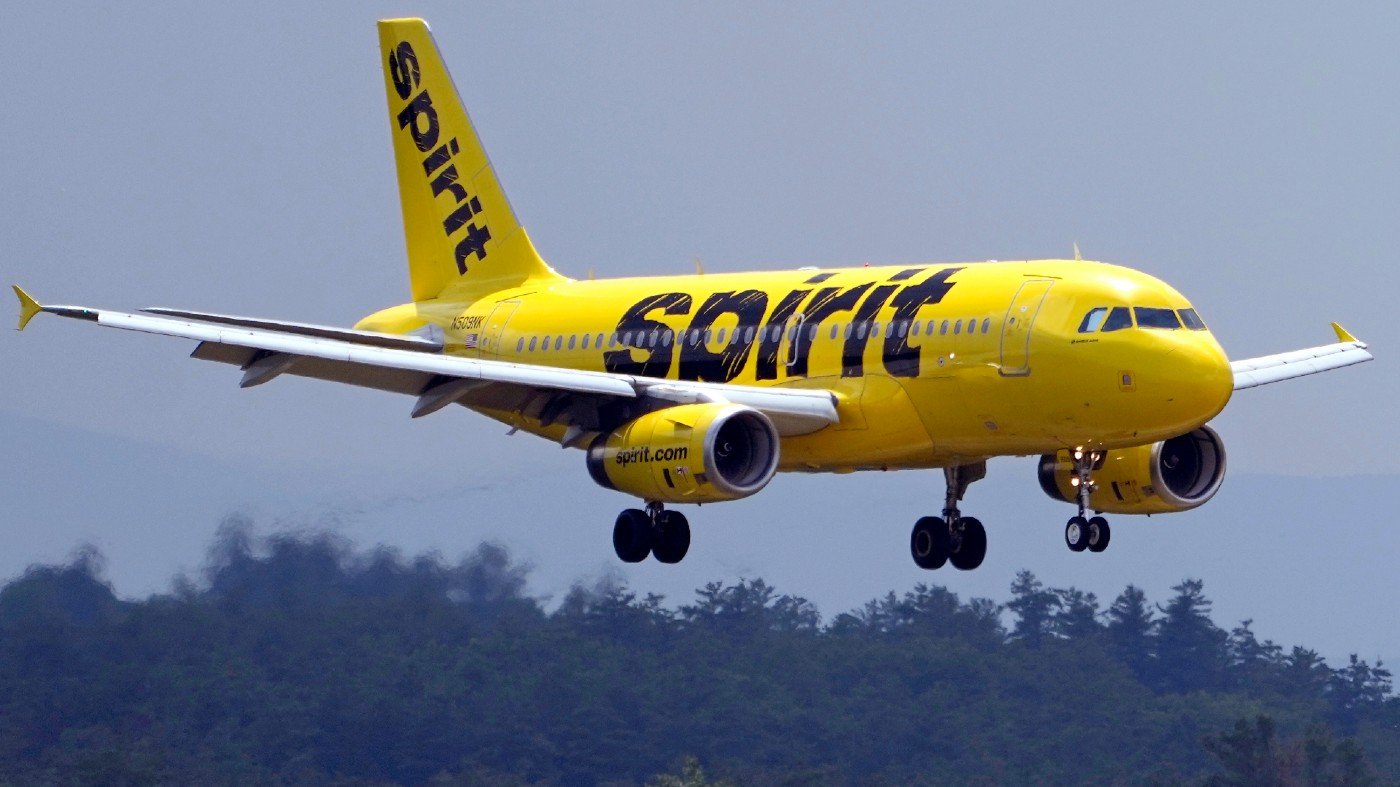
The Trump administration is actively negotiating a potential federal bailout for Spirit Airlines, a budget carrier that has filed for bankruptcy protection twice in recent years, according to a report from The Wall Street Journal. The discussions represent a significant intervention into the commercial aviation sector and highlight the administration's expanding industrial policy footprint.
High-Level Meeting Yields Controversial Proposal
President Trump convened a meeting this week with Transportation Secretary Sean Duffy and Commerce Secretary Howard Lutnick to formulate a plan to prevent the airline's collapse. The talks produced a preliminary proposal for a $500 million federal financing package. In exchange, the government would receive warrants to purchase up to 90 percent of a restructured airline entity, sources familiar with the negotiations told Bloomberg.
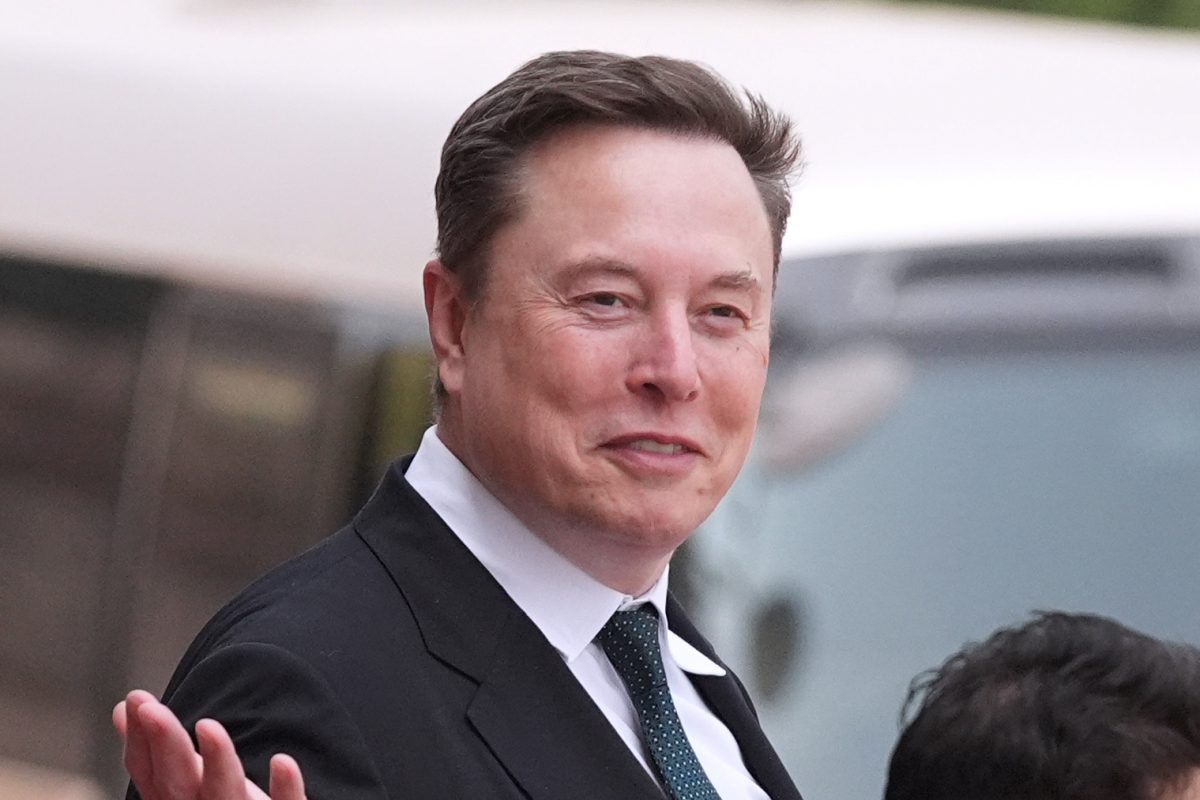
The proposal has exposed a rift within the administration. Transportation Secretary Duffy has voiced strong reservations, questioning the wisdom of using taxpayer funds to prop up a repeatedly failing enterprise. "What we don't want to do is put good money after bad, and there's been a lot of money thrown at Spirit, and they haven't found their way into profitability," Duffy told Reuters. He added pointedly, "If no one else wants to buy them, why would we buy them?"
Trump's Personal Push for a Deal
The negotiations follow public comments from President Trump urging action to save the airline's approximately 14,000 jobs. "I'd love somebody to buy Spirit. It's 14,000 jobs. Maybe the federal government should help that one out. I told my people," Trump said in a recent CNBC interview. His remarks came days after he criticized a proposed merger between United and American Airlines, suggesting Spirit as a more suitable acquisition target.
Spirit's current financial distress is partly attributed to the blocked merger with JetBlue. A $3.8 billion deal agreed to in March 2024 was previously halted by a federal judge in 2023 over antitrust concerns that it would raise consumer costs. The White House has seized on this, with spokesperson Kush Desai stating, "Spirit Airlines would be on a much firmer financial footing had the Biden administration not recklessly blocked the airline's merger with JetBlue." Desai added that the administration continues to monitor the health of the aviation industry.
This potential bailout fits a pattern of increased government involvement in private industry under Trump. As the administration takes a harder line on corporate trade claims, it has also recently taken stakes in companies ranging from semiconductor giant Intel to rare earth metal producers, signaling a strategic shift toward direct economic intervention.
Broader Political and Economic Context
The move is certain to draw scrutiny from congressional Democrats, who have already vowed aggressive oversight of the administration's actions. This aligns with broader partisan tensions, similar to those seen when progressive lawmakers promised aggressive investigations into Trump's policies. The decision also unfolds against a backdrop of other contentious policy debates, including those on environmental regulation where public anxiety over climate policy remains high.
If finalized, the Spirit deal would mark one of the most direct government rescues of a specific company during Trump's tenure, raising questions about market precedent, the criteria for federal support, and the long-term strategy for the aviation sector. The administration maintains that its focus is on preserving jobs and ensuring industry stability, but critics are likely to frame it as an inconsistent application of free-market principles.