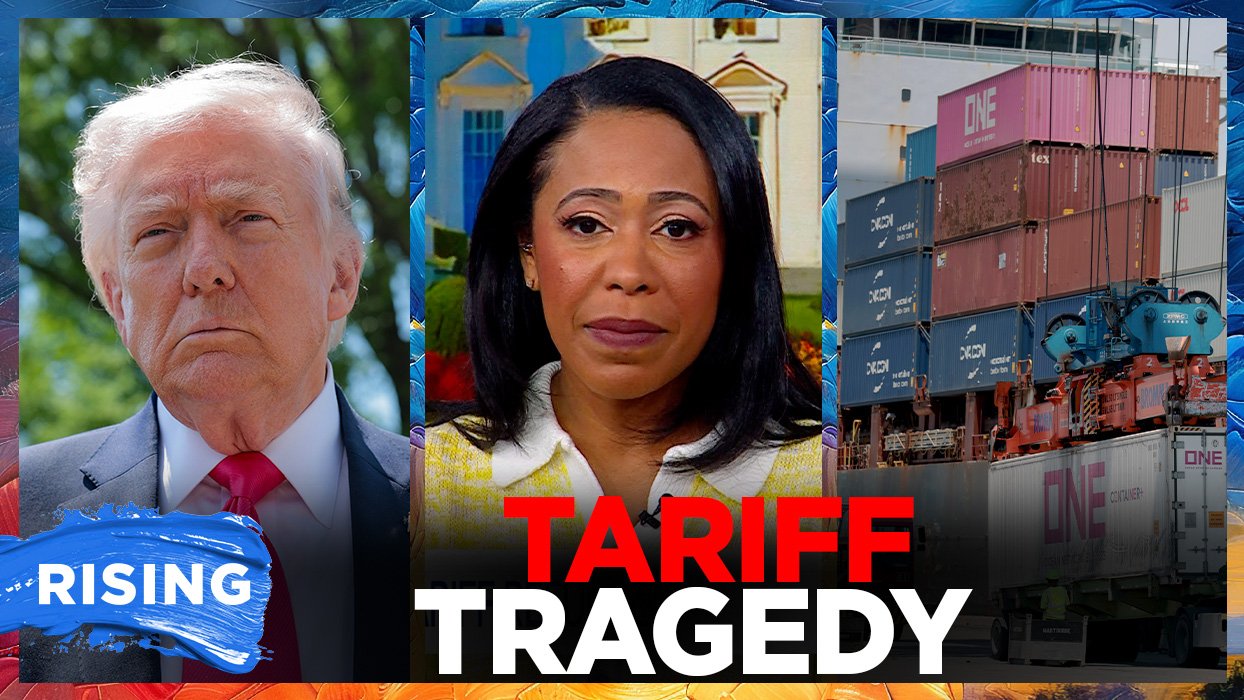
The federal government faces a potential $166 billion liability following a landmark Supreme Court decision that found the previous administration improperly imposed sweeping tariffs. The ruling, which determined the use of emergency powers was an overreach, has triggered a massive refund process affecting over 330,000 importers.
A Legal Entitlement Meets Political Pressure
Customs and Border Protection has established a portal for businesses to apply for refunds, a process designed to be rules-based and neutral. However, the situation has become politically charged. Former President Donald Trump has publicly suggested it would be "brilliant" if companies forgo claiming the money, adding a pointed warning: "If they don't do that, I'll remember them." This statement directly inserts political considerations into what should be a straightforward legal and financial decision for businesses.

The core conflict pits the rule of law against perceived executive influence. A company's choice to pursue a legal refund it is entitled to should not carry political implications. This dynamic echoes other instances where the former president has publicly contested judicial and federal agency decisions, such as when a federal judge blocked administration rules on energy projects. Trump dismissed the tariff ruling as "a little setback," expressing frustration that the Court did not make it easier for the government to retain the funds—a sentiment at odds with the constitutional system of checks and balances.
Broader Implications for Business and Consumers
The stakes extend beyond corporate balance sheets. While importers are first in line for refunds, legal experts debate whether consumers, who ultimately bore higher costs due to the tariffs, could see any financial redress. This possibility remains uncertain, placing the public as an indirect stakeholder in the outcome.
The administration's posture raises fundamental questions about governance. It challenges whether businesses can operate freely within the law without factoring in political favor, a principle critical to a predictable economic environment. This scenario is not isolated; it reflects a pattern where federal actions face intense scrutiny, similar to controversies that have ensnared other officials, like the Labor Secretary who resigned amid federal probes.
Ultimately, this is more than a dispute over trade policy and fiscal liability. It is a test of institutional integrity. The judiciary's role is to interpret the law, not to engineer convenient outcomes for the executive branch. The Supreme Court's 6-3 decision was a clear exercise of that duty. Now, the response from the business community and the administration will signal how deeply political considerations are expected to influence lawful economic activity.
The moment also highlights the ongoing tensions surrounding Trump's political and legal strategy as he maintains a dominant role in the Republican party, a presence felt in venues from policy battles to events like his return to the WHCA dinner. The question for thousands of companies is whether to secure a significant financial recovery guaranteed by law, or to weigh that against potential future political consequences—a calculation that fundamentally alters the landscape of American business and governance.