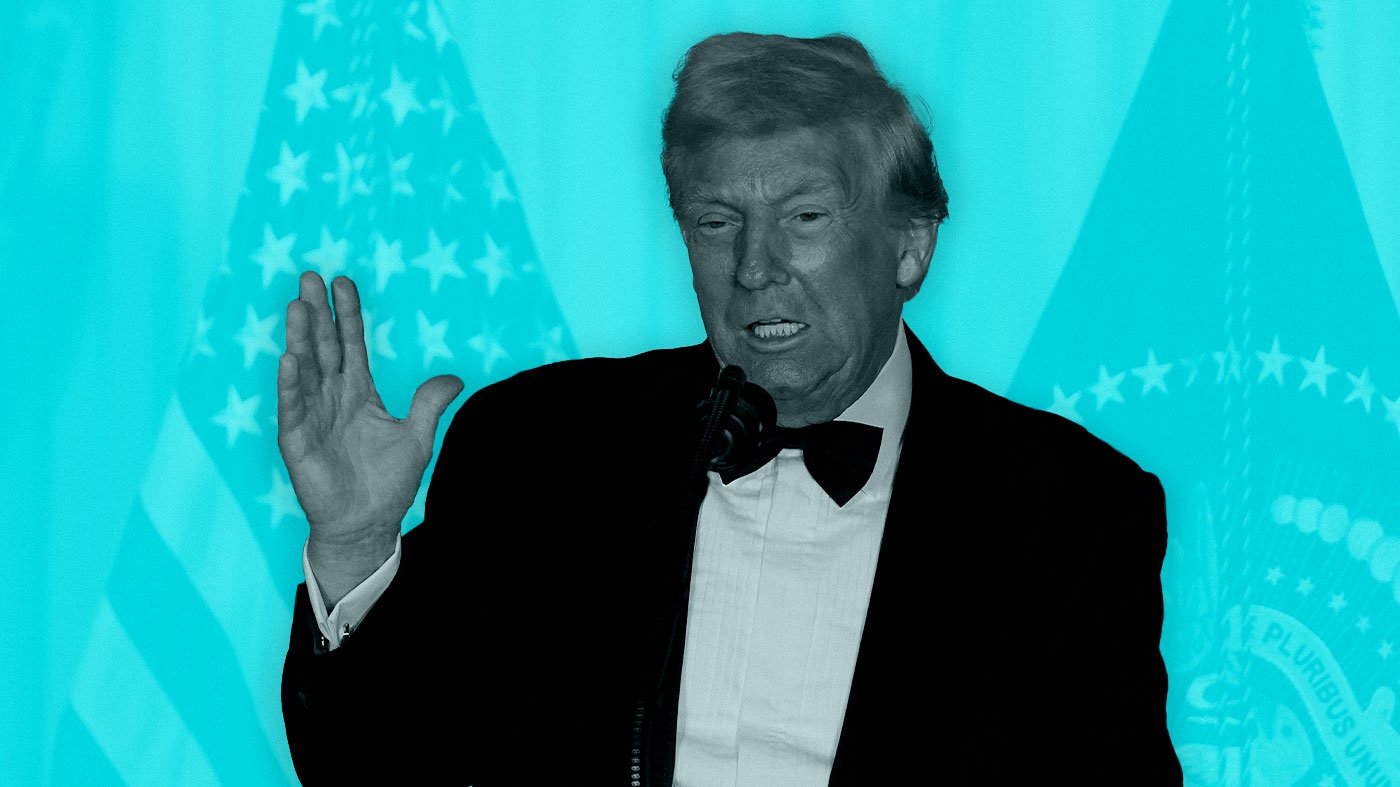
President Trump is set to make his first appearance as president at the White House Correspondents' Association (WHCA) dinner this Saturday, and Washington insiders say the annual event has never seen this level of excitement. The gathering, long a staple of the capital's social calendar, is drawing heightened interest amid a volatile political landscape marked by the ongoing conflict in Iran, debates over press access, and looming midterm elections.
Tammy Haddad, CEO of Haddad Media and founder of the Washington AI Network, described the energy as unprecedented. “There is more energy around this dinner than ever before,” she said, adding that Trump has injected a new dynamism into major political events over the past decade. Haddad is co-hosting her annual Garden Brunch in Georgetown on Saturday ahead of the dinner.
The WHCA dinner, first held in 1921, funds journalism scholarships and traditionally features remarks from the president followed by a comedic performance. This year, mentalist Oz Pearlman will take the stage, breaking from the recent pattern of late-night hosts and comedians. Trump last attended in 2015, weeks before launching his first presidential campaign, when he famously told reporters “nothing is easy in life.”
After skipping the dinner throughout his first term, Trump announced his return in March via Truth Social, framing it as a celebration of the nation’s 250th birthday and claiming journalists now acknowledge him as “one of the Greatest Presidents.” His post promised to make it “the GREATEST, HOTEST, and MOST SPECTACULAR DINNER, OF ANY KIND, EVER!”
Not everyone shares the enthusiasm. Hundreds of journalists signed an open letter this week urging colleagues to use the dinner to protest Trump’s attacks on press freedom. WHCA President Weijia Jiang, a CBS News senior White House correspondent, defended the event as a reaffirmation of the First Amendment. “Our choice to gather as journalists, newsmakers and the president in the same room is a reminder of what a free press means to this country,” she said.
Presidential historian Tevi Troy of the Ronald Reagan Institute noted the challenge Trump faces. “While Trump likes to perform, he also knows this is a tough crowd, filled with many critics and skeptics,” Troy said. He predicted the safest route would be “short, relatively anodyne remarks,” but acknowledged Trump rarely takes safe bets.
Beyond the dinner itself, the weekend has spawned more than 20 related events, many new this year. Kimball Stroud, founder of Kimball Stroud & Associates, who has organized WHCA-themed parties since 2009, noted a “massive shift” in corporate involvement. “With the president participating, there is an undeniable desire of executives wanting to be in these rooms,” she said. Stroud is coordinating Time magazine’s party at the Swiss ambassador’s residence.
John McCarthy of Causeway Strategy Group is co-hosting a debut event called “The Green Room” with Irish Ambassador Geraldine Byrne Nason, described as an Irish welcome ahead of the weekend. “At a moment when Washington could use a bit more togetherness, we figured there’s no better remedy than a dose of Irish hospitality,” McCarthy said. The scramble for tickets reflects a broader trend, with Haddad noting that “this is where business gets done.”
For context on the broader political backdrop, Trump's Iran strategy remains a flashpoint, while his decision to enlist a comedy team for the dinner has drawn attention. As the weekend approaches, all eyes are on how Trump will navigate the room—and whether he'll deliver the spectacle he promised.