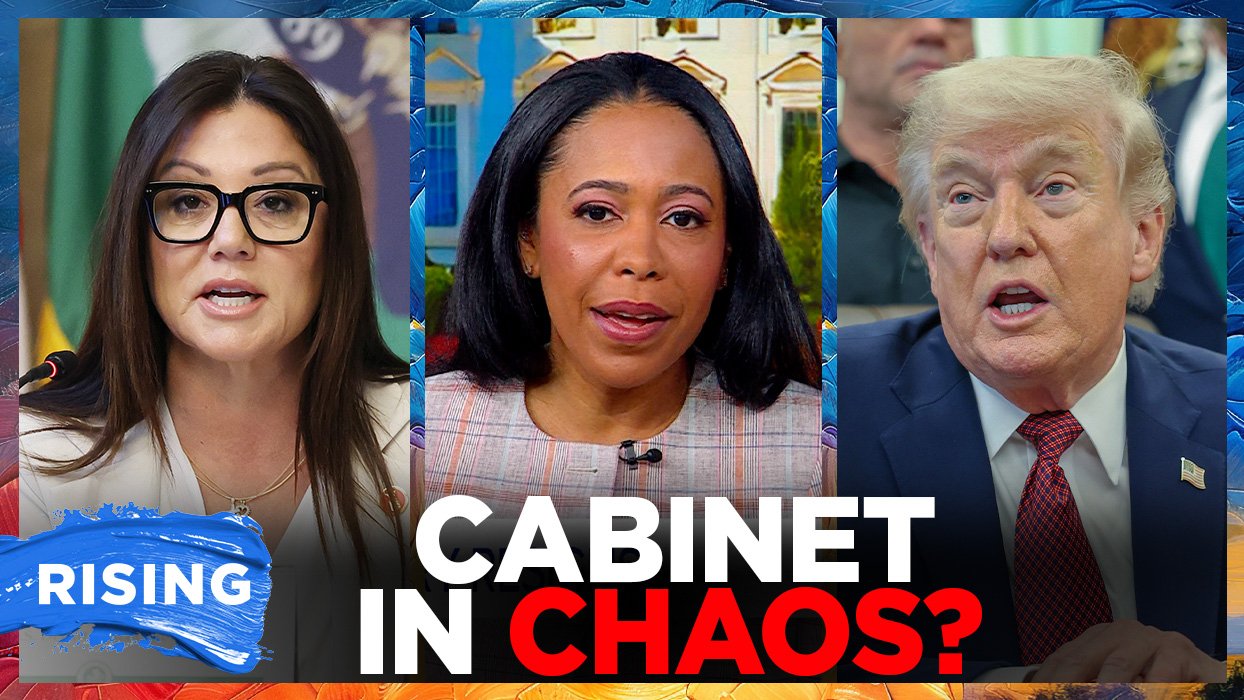
Labor Secretary Lori Chavez-DeRemer has submitted her resignation, departing the administration as multiple federal investigations into her conduct and management of the Department of Labor were intensifying. The White House stated she is leaving for a private sector opportunity, employing language similar to that used for other recent high-profile departures.
Mounting Scrutiny and Allegations
The resignation coincides with a nearing conclusion of an inspector general investigation examining serious allegations against the secretary. According to sources familiar with the probe, investigators are reviewing claims that Chavez-DeRemer engaged in inappropriate behavior, including an alleged personal relationship with a member of her security detail and the use of government resources for personal travel.
Further allegations include maintaining alcohol in her office and consuming it during work hours—a significant concern for the official responsible for national workplace standards. These claims echo previous ethical controversies that have plagued the administration.
A Troubled Workplace Environment
The scrutiny extends beyond the secretary's personal conduct. Investigators have examined text messages exchanged between Chavez-DeRemer, her aides, and family members that were sent to junior staffers, raising questions about professional boundaries and departmental culture.
Her husband was reportedly barred from the department's headquarters following accusations of inappropriate behavior from multiple women, adding to internal disruption. Dozens of employees described a demoralized and chaotic workplace, with leadership perceived as absent or ineffective. Reports indicate her deputy had been managing core departmental operations for some time.
Political Fallout and Pattern of Departures
Politically, the administration has publicly praised her tenure, claiming she "protected American workers" and advanced key priorities. Chavez-DeRemer echoed this, stating pride in her work. However, the resignation follows a familiar pattern where officials depart as investigations reach critical phases, congressional inquiries mount, and internal pressure builds.
Chavez-DeRemer becomes the third Cabinet-level official to leave in a short period. This rapid turnover, coupled with serious accusations, raises fundamental questions about stability and governance within the executive branch. Cabinet roles are operational, not merely symbolic; they involve enforcing laws and managing vast agencies. This episode contributes to a broader narrative of administrative turmoil, similar to the pressures seen in other scandals, such as the bipartisan calls for resignations in Congress over ethics violations.
The departure underscores how personnel scandals can destabilize an administration, diverting focus from policy objectives and eroding public trust in government institutions. It highlights the ongoing challenge of maintaining ethical governance, a theme that extends beyond any single administration and affects public perception of political leadership broadly.