The presidency of Donald Trump stands as a stark political case study in what occurs when the office's immense power is wielded by an individual whose personal conduct and ambitions consistently clash with its constitutional constraints. His tenure has been defined less by traditional policy achievements and more by a relentless series of controversies, alleged abuses of authority, and a preoccupation with self-glorification that has left deep marks on American institutions.
A Legacy of Division and Self-Commemoration
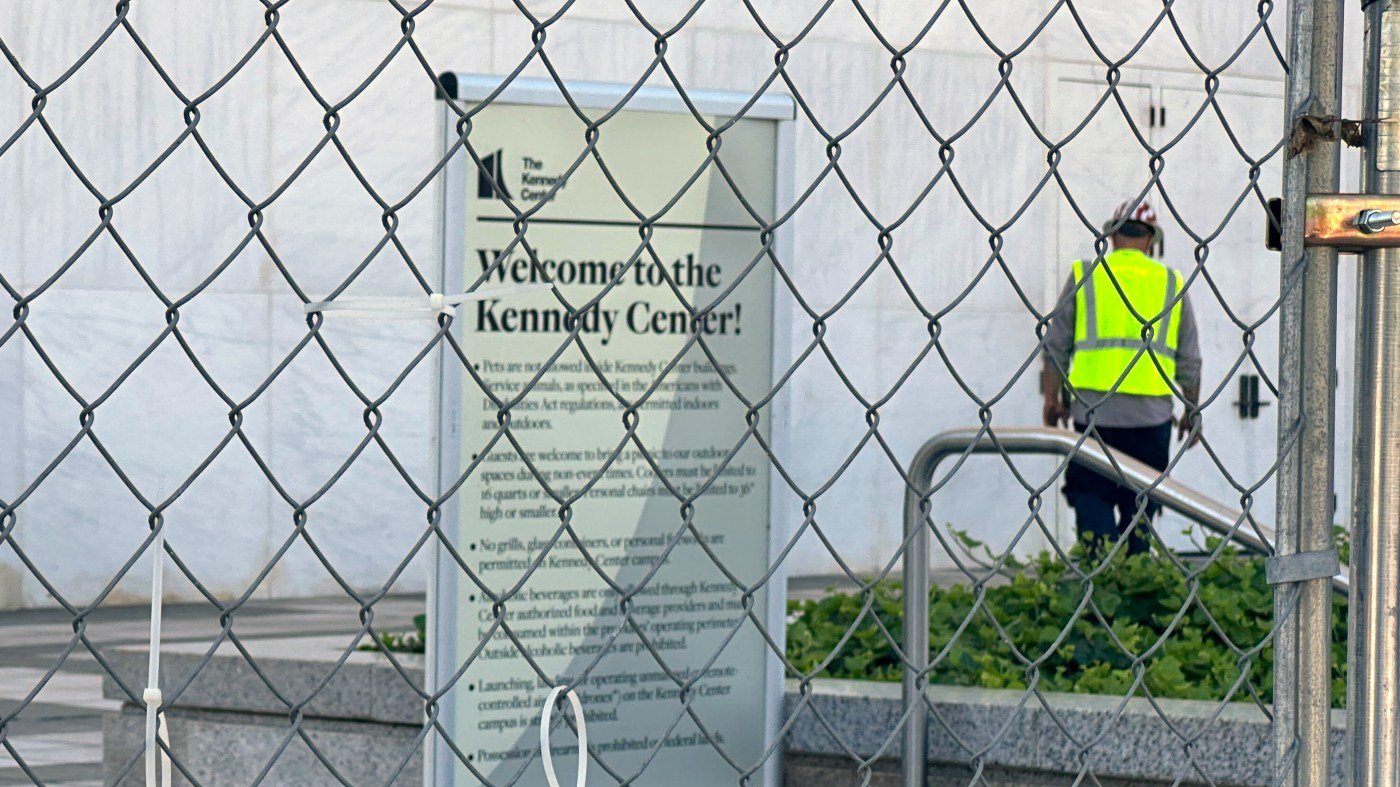
Rather than building a legacy on bipartisan governance or legislative milestones, Trump has focused on erecting physical and symbolic monuments to himself. This extends from his private business ventures to the heart of government, with efforts to imprint his name and likeness on federal property and even currency. Critics argue these acts memorialize a period of profound national division, democratic erosion, and institutional degradation.
His influence has reached into cultural spheres, with directives shaping exhibits at Smithsonian museums and programming at renamed performing arts centers. Some historians suggest that future exhibits should document this era as a warning of how populist figures can exploit public disengagement.
Scandals and the Weaponization of Power
The administration has been clouded by persistent scandals. Trump faces allegations of sexual misconduct from numerous women, and his connection to the Jeffrey Epstein case remains a subject of intense scrutiny, with accusations that the Justice Department has improperly shielded relevant evidence. The administration's approach to governance has frequently drawn accusations of constitutional overreach, including deploying federal forces against civilians, leveraging federal funds for political compliance, and exploiting the pardon power.
Perhaps most critically, the Justice Department has been accused of acting as a political tool, launching investigations into the president's opponents. Concurrently, there are reports that allies are exploring methods to influence electoral outcomes, signaling a sustained threat to electoral integrity. This pattern of behavior underscores a presidency where legal and ethical boundaries were routinely tested.
Controversy as a Political Tool
Trump mastered the art of controlling the national discourse through perpetual controversy. As his political standing faced challenges, he often escalated rhetoric or actions to divert attention from previous scandals or setbacks. A prominent theory suggests this tactic reached its apex with a military confrontation with Iran, an action that resulted in significant casualties and global economic tremors. This move successfully shifted media focus away from the Epstein scandal, as detailed in our report on how some defenders justified Trump's aggressive threats against Iranian targets.
This strategy of diversion through outrage is a hallmark of his political playbook, further explored in analyses of how his war rhetoric blends profanity, nationalism, and xenophobia.
The Redemption Question
The analysis posits that the public twice granted Trump opportunities to reshape his legacy through elections, opportunities he used to deepen political and social fractures. The argument concludes that his final path to any form of redemption would be a voluntary resignation from office. Absent that, the responsibility falls to Congress to provide accountability, a task that would define its own historical standing.
This stands in sharp contrast to the traditional presidential legacy, which is built on substantive policy deeds—strengthening the nation, fortifying democracy, and improving citizens' lives—not on self-aggrandizing monuments. The enduring lesson of the Trump era, as presented, is a vivid demonstration of the systemic vulnerabilities exposed when normative guardrails are dismantled. This institutional decay is also evident in policy areas like science funding, where deep cuts and leadership gaps threaten U.S. competitiveness.