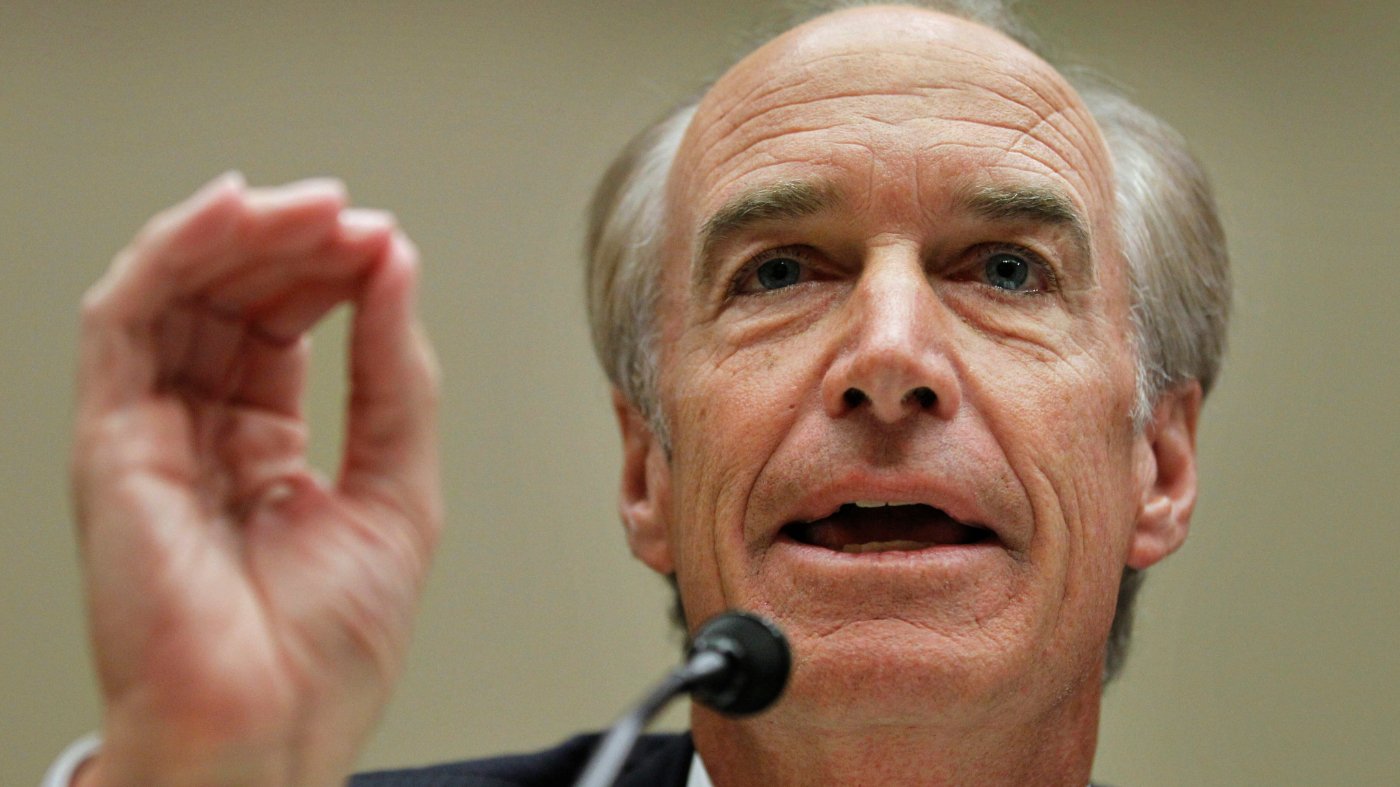
Idaho mourned the loss of former Governor Dirk Kempthorne (R) in April at age 74 after a battle with cancer. But his legacy extends far beyond state lines, particularly in the realm of U.S.-Mexico relations, where he forged a partnership that resolved a long-standing water dispute and set a template for binational cooperation.
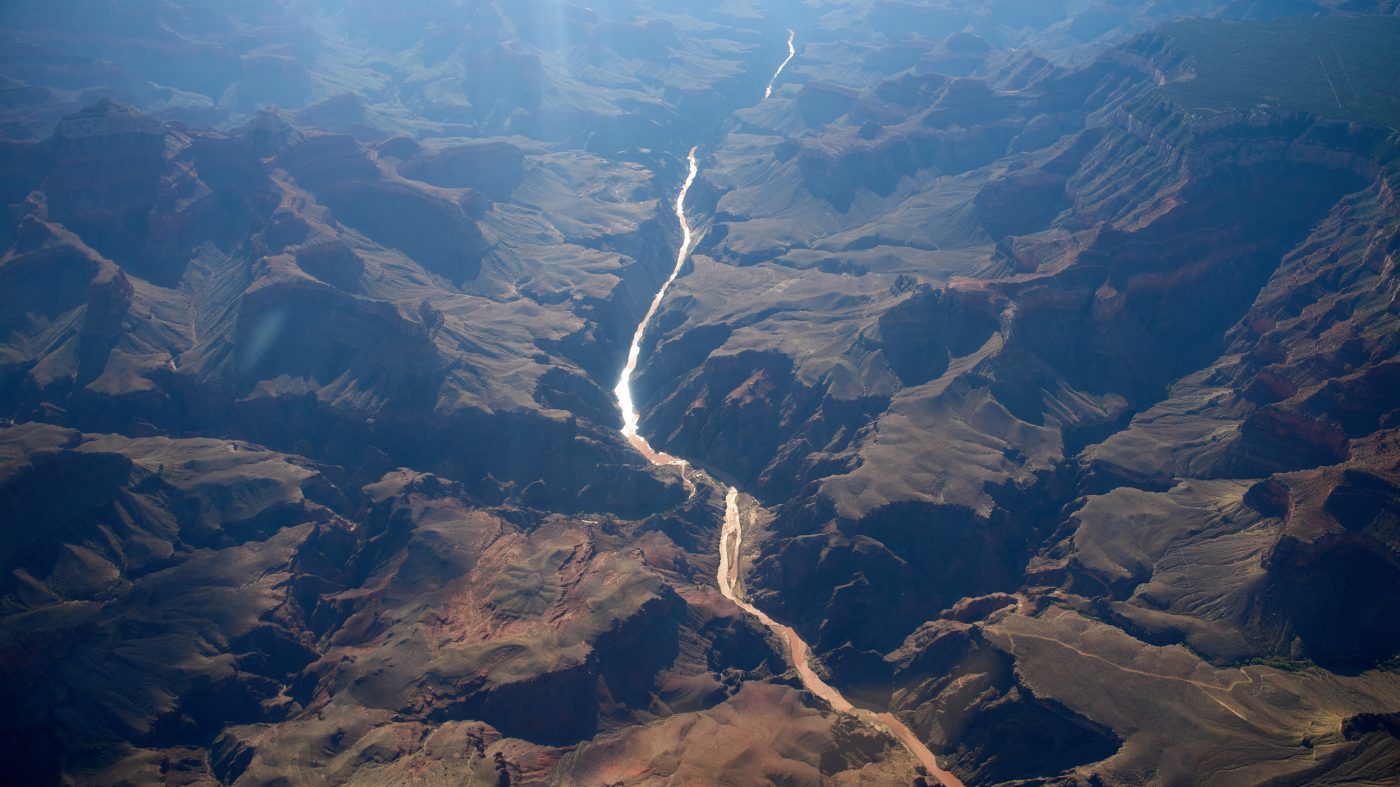
Kempthorne served as President George W. Bush's Interior Secretary from 2006 to 2009, diving headfirst into contentious issues like historic drought on the Colorado River and a decades-old conflict over the All-American Canal that had poisoned diplomatic ties between Washington and Mexico City.
In 2007, a small group of officials gathered in Kempthorne's Interior Department office to explore a new path forward. The secretary was clear about what had to happen—certain water conservation measures and congressional mandates were non-negotiable—but his real focus was on building a future-oriented partnership. He insisted that highly charged issues be discussed calmly, carefully, and grounded in solid science.
What set Kempthorne apart was his willingness to take political risks. He and a Mexican diplomat agreed to a working principle of "don't ask, don't tell": neither would seek interagency approval or reveal their plans until they had crafted a viable solution that respected both countries' red lines. This approach broke a diplomatic logjam that had frustrated Mexican foreign secretaries and U.S. State Department officials since the 1980s, despite the risk of being torpedoed from within their own bureaucracies.
The gamble paid off. The "don't ask, don't tell" process triggered that day led to formal agreements codifying binational partnership on the Colorado River. As one former Mexican diplomat noted, "More than just initiating a binational process, Mexico found a partner and a friend in Kempthorne." This dynamic, built on respect and partnership, reaffirmed that transnational challenges require transnational solutions—a lesson that remains relevant nearly two decades later. For context, such cross-border cooperation stands in stark contrast to recent tensions over illicit cross-border tunnels or border security debates.
Kempthorne's relationship with Mexico extended beyond water. In 2021, after both men had left office, he leveraged that trust to request help evacuating Afghan allies and Americans after Kabul's fall. Working quietly with Mexico's then-Foreign Secretary Marcelo Ebrard, the humanitarian mission secured travel permits and safe passage for hundreds of U.S. allies and their families facing peril in Afghanistan.
Reflecting on his Interior tenure in 2023, Kempthorne recalled working on "sensitive issues of the day, all done in an atmosphere of professionalism and decency." Those words capture the leadership qualities that made him a statesman across borders. His approach to diplomacy—rooted in personal engagement, straight talk, mutual confidence, and calculated risk—offers a model for addressing today's most pressing binational challenges, from water scarcity to immigration. As the U.S. and Mexico navigate a complex relationship, Kempthorne's legacy reminds us that partnership, not confrontation, yields lasting results.