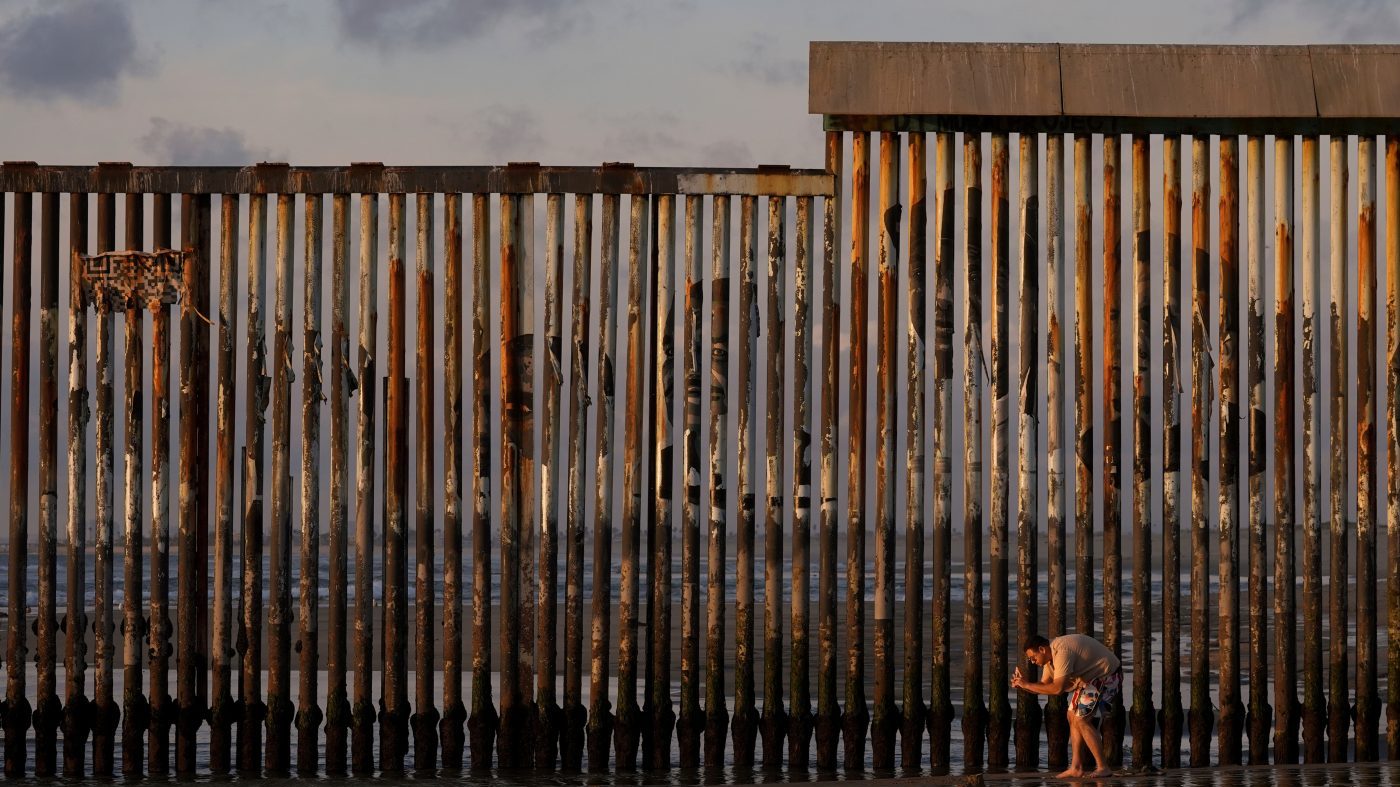
Mexican federal authorities have discovered an extensive underground tunnel linking a property in Tijuana to a well-known street in San Diego, marking one of the most sophisticated cross-border smuggling routes uncovered in recent years. The tunnel, measuring 265 meters in length and buried 6.3 meters underground, was equipped with lighting, ventilation, and an electronic sliding mechanism that allowed traffickers to move goods in both directions between Mexico and the United States.
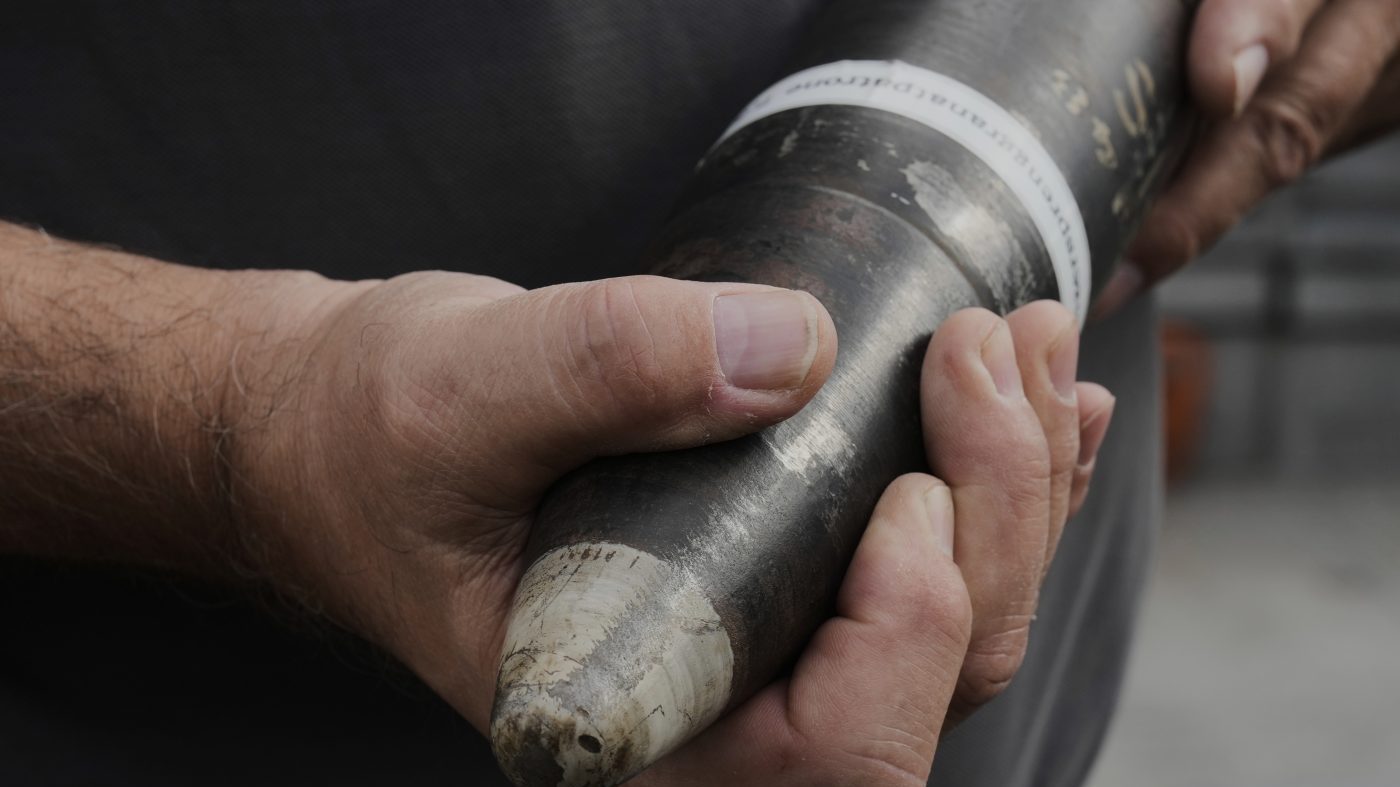
According to the Federal Attorney General’s Office (FGR) in Tijuana, the tunnel served as a storage, logistics, and trafficking center for illegal weapons, explosives, and narcotics. The find underscores the persistent challenge of underground smuggling infrastructure along the U.S.-Mexico border, despite heightened enforcement efforts.
The discovery comes amid escalating bilateral tensions over border security and immigration policy. The Trump administration has recently reviewed Mexican consulates' operations, a move that critics say reflects growing friction between the two nations. Meanwhile, a Human Rights Watch report detailed the deportation of 4,300 Cubans to violent Mexican border zones, highlighting the human costs of current policies.
This tunnel is not an isolated incident. Smuggling networks have long exploited underground passages to evade detection, particularly in the San Diego-Tijuana corridor, where porous terrain and urban density create opportunities for clandestine construction. The FGR’s investigation indicates the tunnel likely connected to a storage facility in San Diego, enabling traffickers to distribute contraband across the U.S.
The sophistication of the tunnel—with its mechanized floor system and climate control—suggests significant investment by criminal organizations. Experts note that such infrastructure is often used by cartels to move high-value drugs like fentanyl and methamphetamine, as well as weapons fueling violence on both sides of the border.
The revelation also reignites debate over loopholes in U.S. immigration and smuggling laws. A 2008 law has been criticized for fueling child smuggling, and similar legal gaps may enable adult trafficking networks to operate with impunity. In a related case, a judge recently tossed smuggling charges against Kilmar Abrego Garcia, a flashpoint in deportation controversies.
Mexican authorities have not disclosed whether any arrests have been made in connection with the tunnel, but the investigation remains active. The U.S. Department of Homeland Security has been notified, and joint operations are expected to follow. The find is likely to amplify calls for increased funding for border security technology, including ground-penetrating radar and seismic sensors, to detect future tunnels.
This discovery also parallels other major smuggling cases, such as the Super Micro co-founder's arrest in a $2.5 billion AI server smuggling scheme, demonstrating the diverse methods traffickers employ to move contraband across borders. As tensions over border policy continue, the tunnel serves as a stark reminder of the enduring cat-and-mouse game between law enforcement and criminal networks.