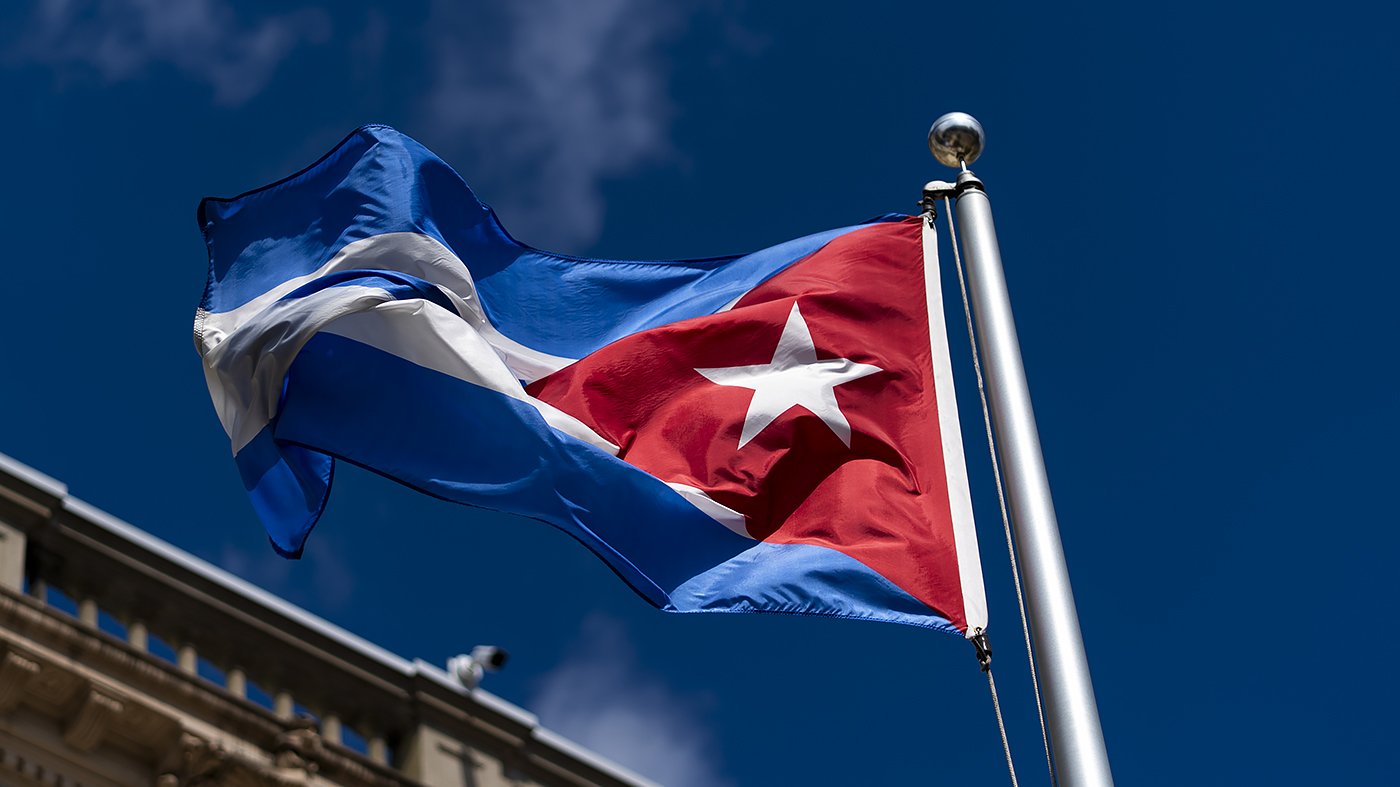
More than 4,300 Cuban nationals were deported from the United States to Mexico during the first 15 months of President Trump's second term, according to a new report from Human Rights Watch. The 66-page document, released Wednesday, describes how these individuals were sent to areas of Mexico plagued by organized crime and limited access to basic services, leaving them vulnerable to violence and exploitation.
The report covers deportations between January 2025 and March 2026, during which over 18,000 foreign nationals were repatriated. Roughly 70% of those were sent to Mexico, a country where they hold no citizenship and often lack any prior ties. Cubans made up the largest single-country group among those deported, many of them older adults with serious health conditions who had lived in the U.S. for decades.

Legal Limbo and Lack of Support
According to Human Rights Watch, many of the deportees cannot return to Cuba and are effectively trapped in a legal gray zone. The Mexican government offers minimal assistance, and most struggle to secure shelter, food, or healthcare. Alcira Silva Hava, a Leonard H. Sandler fellow in the refugee and migrant rights division at Human Rights Watch, accused the Trump administration of using Mexico as a “dumping ground” for people it cannot deport to their home countries.
“The Mexican government is not offering them any way to obtain durable legal status outside of the asylum system, leaving many in limbo with no shelter, no medication, and at the mercy of criminal organizations,” Hava said.
Violence and Criminal Exploitation
Researchers conducted interviews with dozens of migrants, including 41 Cuban men, who were deported to Tapachula, Chiapas, and Villahermosa, Tabasco — cities in southern Mexico known for high rates of organized crime and violence. Tapachula is a transit hub where migrants are frequently targeted by smugglers, while Villahermosa has seen ongoing cartel-related bloodshed. More than half of the Cubans interviewed had a criminal record, but only 16% still faced pending charges; 26% had no prior criminal history at all.
Many of those deported arrived in the U.S. during the 1980 Mariel boatlift or through a 1990s lottery program, fleeing Cuban repression or seeking economic opportunity. Most told Human Rights Watch they had held green cards but lost them after deportation. “None of the people interviewed were given the opportunity to challenge their deportation to Mexico, violating their due process rights under both US and international law,” the report states.
Human Toll and Policy Backdrop
Once in Mexico, deportees described being left in unsafe conditions, unable to find non-exploitative work or access healthcare. Some have been cut off from necessary medication; others have become homeless. “They’re casting us aside to die,” a 58-year-old Cuban national told the group. “There’s no help. We can’t work because we don’t have papers. They don’t give us anything, nothing.”
The Trump administration has intensified deportations of Cubans as part of a broader immigration crackdown, revoking legal protected status for thousands and phasing out parole programs that had allowed some to live and work in the U.S. for up to two years on humanitarian grounds. A Miami Herald poll released in April found that more than two-thirds of Cubans and Cuban Americans in South Florida disapproved of the administration’s push to remove Cuban nationals without legal status and without criminal records from the country.
For context, the administration's approach to immigration enforcement has drawn comparisons to other controversial policies. Meanwhile, the ongoing battles over voting rights highlight broader tensions over civil liberties, and the evolving nature of threats abroad underscores the complex security landscape that migration policies intersect with.