The brutal stabbing of two Jewish men in London and a truck attack on a Michigan synagogue last month mark a dangerous evolution in Iran's proxy warfare. These incidents are not random hate crimes but part of a strategic shift by Tehran to use decentralized, state-sponsored violence on Western soil without deploying its own agents.
Harakat Ashab al-Yamin al-Islamia, an Iranian-aligned group, claimed responsibility for the London attack, highlighting a new doctrine that intelligence agencies across Europe have been warning about. Tehran now recruits local criminal networks and teenagers through encrypted apps to carry out strikes, maintaining plausible deniability while achieving lethal results.

In the Netherlands and Belgium, recent arrests uncovered plots by teenagers as young as 17 to firebomb synagogues, directed via encrypted messaging. Dutch authorities are now explicitly investigating Iranian links to these operations, signaling a shift from online incitement to offline violence.
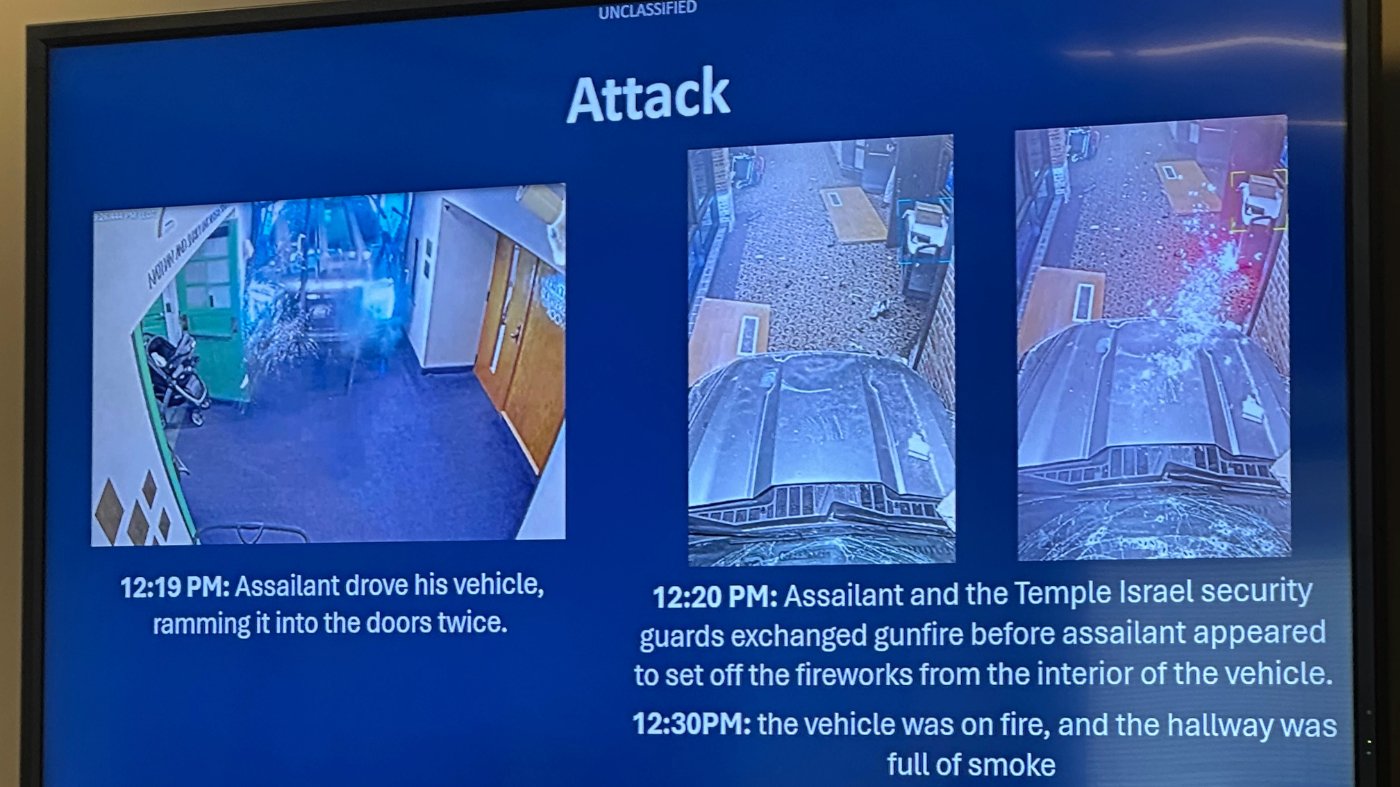
This outsourcing of jihad to local youth and criminal elements effectively launders Iran's terrorism, making it harder to trace and easier to deploy in civilian areas. The case of Ayman Mohamad Ghazali in Michigan shows how foreign powers can mobilize domestic actors to strike at the U.S. homeland after calls for revenge from senior Shiite authorities.
Last month, the UK Foreign Office summoned Iran's ambassador over “inflammatory” social media posts from the embassy that urged followers to join a “Jan Fada” (self-sacrifice) campaign. These posts glamorized martyrdom, bridging state rhetoric and street-level violence.
This trend is alarming because it weaponizes antisemitism as a tool of foreign retaliation. When a diplomatic mission can incite citizens to violence, the threat becomes a primary national security challenge, not just a social ill. Washington and its allies must reframe their defense to dismantle the digital and diplomatic pipelines that allow adversaries to turn hate into a weapon of war.
The broader implications are stark: distant conflicts can now trigger violence thousands of miles away. As rising gas prices linked to Iran tensions threaten GOP midterm hopes, the need for a robust response grows. Similarly, U.S. mining paralysis undermines national security just as Tehran exploits these vulnerabilities. Protecting the homeland now requires cutting off the digital and diplomatic channels that enable this proxy warfare.