Public concern about environmental conditions has reached a historic peak according to the latest annual Gallup survey, creating a significant political challenge for the Trump administration's energy-first agenda. The poll, conducted last month and maintaining consistent methodology since 2001, reveals that only 35% of Americans believe environmental quality is "excellent" or "good"—matching the lowest recorded level and representing an 8-point drop from last year.
This decline marks a dramatic shift from 2015, when half of Americans expressed confidence in environmental conditions. The survey indicates deepening pessimism, with two-thirds of respondents believing the situation is deteriorating further. Water pollution emerges as the foremost concern, with more than half of Americans specifically worried about contamination of drinking water supplies—a concern that currently outweighs broader anxiety about climate change.
Political Implications of Environmental Pessimism
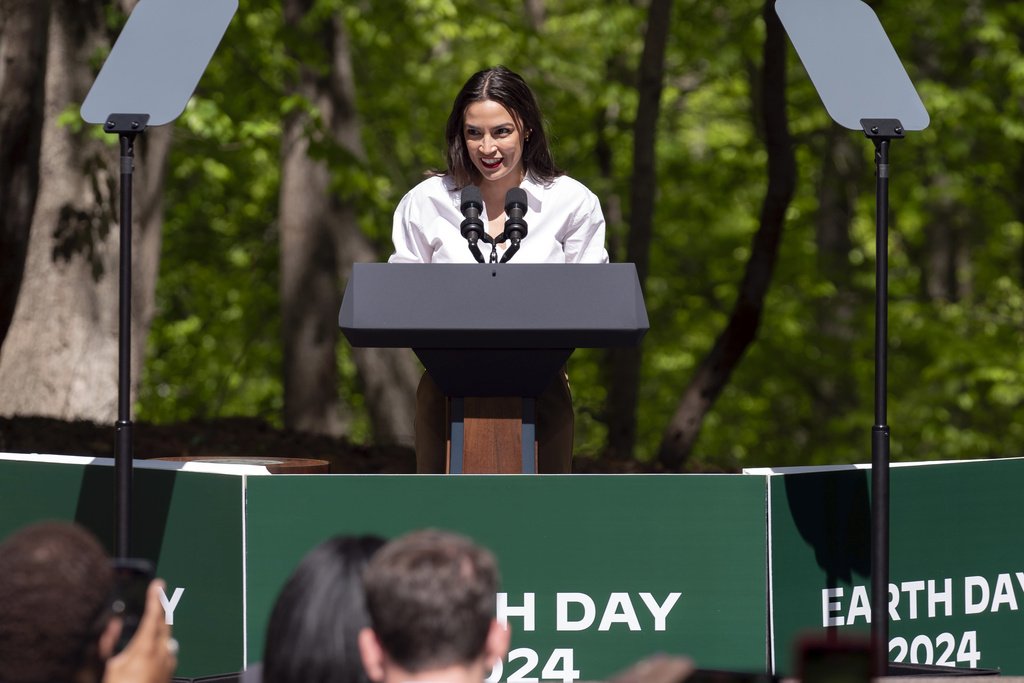
The erosion of environmental optimism presents particular challenges for President Trump, who has consistently prioritized fossil fuel development over environmental regulations. The administration's Earth Day messaging this year emphasized energy production expansion, continuing a pattern that includes dismissing climate change as a serious concern. This approach appears increasingly disconnected from public sentiment, as the Gallup survey shows most Americans continue to prioritize environmental protection over fossil fuel development even amid rising gasoline prices.
The political consequences are becoming evident. The most significant decline in environmental optimism has occurred among political independents, a crucial voting bloc in upcoming elections. This shift creates opportunities for Democrats to position themselves as advocates for environmental protection, particularly as the administration faces scrutiny over its cabinet appointments and policy reversals affecting environmental regulations.
Policy Contrasts and Political Strategy
Democratic strategists see the polling data as validation for more aggressive environmental policies. Representative Alexandria Ocasio-Cortez's Green New Deal proposal has established a progressive framework for addressing both economic and environmental concerns, while President Biden's Build Back Better initiative attempted to institutionalize clean energy investments through infrastructure projects. The current administration has worked systematically to dismantle many of those initiatives, creating clear policy distinctions between the parties.
These divisions extend to national security considerations. The administration has framed Middle East policy, including tensions with Iran, as justification for expanding domestic fossil fuel production. Critics argue this approach increases geopolitical risks while neglecting investments in clean energy that could reduce foreign energy dependence. The debate occurs against a backdrop of increasing climate-related costs, with natural disasters causing hundreds of billions in damages annually.
The administration's positioning faces additional political headwinds as Congressional approval ratings remain near historic lows, potentially amplifying voter frustration with current policy directions. Environmental advocates argue that clean energy development represents both an economic opportunity and a strategic necessity, noting that competitors like China and Europe are aggressively pursuing energy transitions.
Electoral Consequences and Future Direction
The environmental policy divide may influence upcoming elections beyond federal contests. Recent redistricting developments in Virginia have improved Democratic prospects in House races, potentially creating opportunities to advance environmental legislation. Meanwhile, internal Republican tensions over policy direction continue, as evidenced by growing fractures within the MAGA movement on various issues.
As environmental concerns intensify among voters, the political response will likely shape electoral outcomes and policy directions for years. With record anxiety about environmental quality and clear public support for stronger protections, the administration's continued emphasis on fossil fuel expansion represents a calculated political risk that may define both policy debates and electoral dynamics in the coming election cycle.