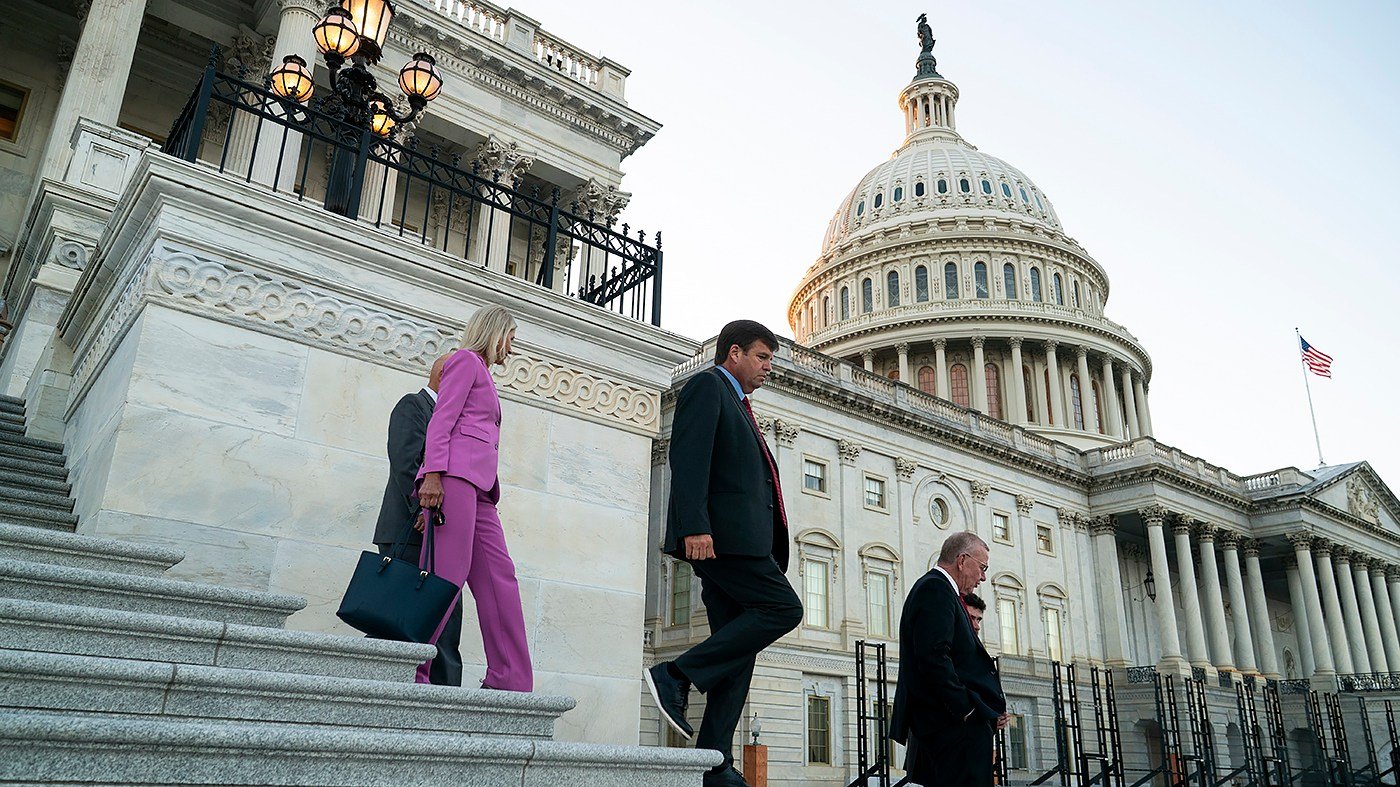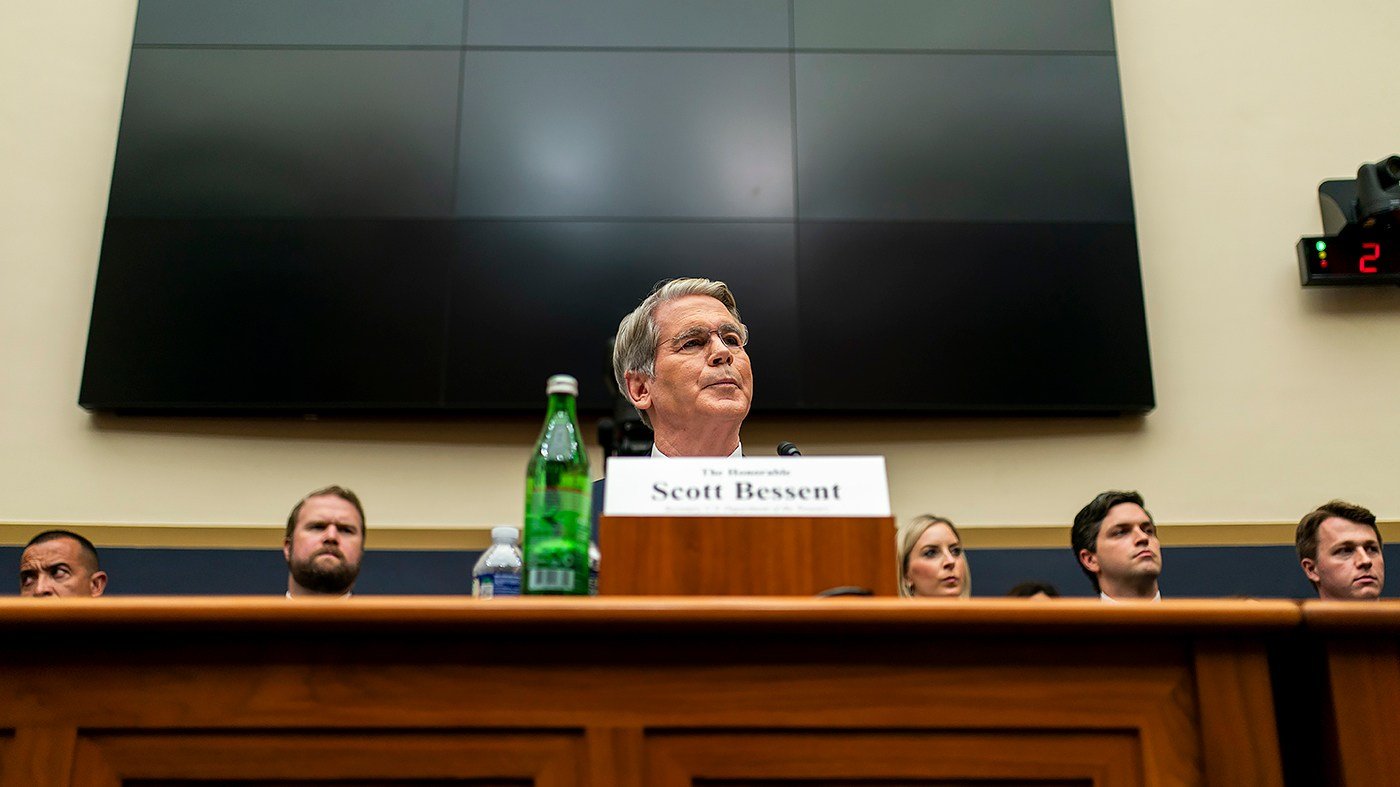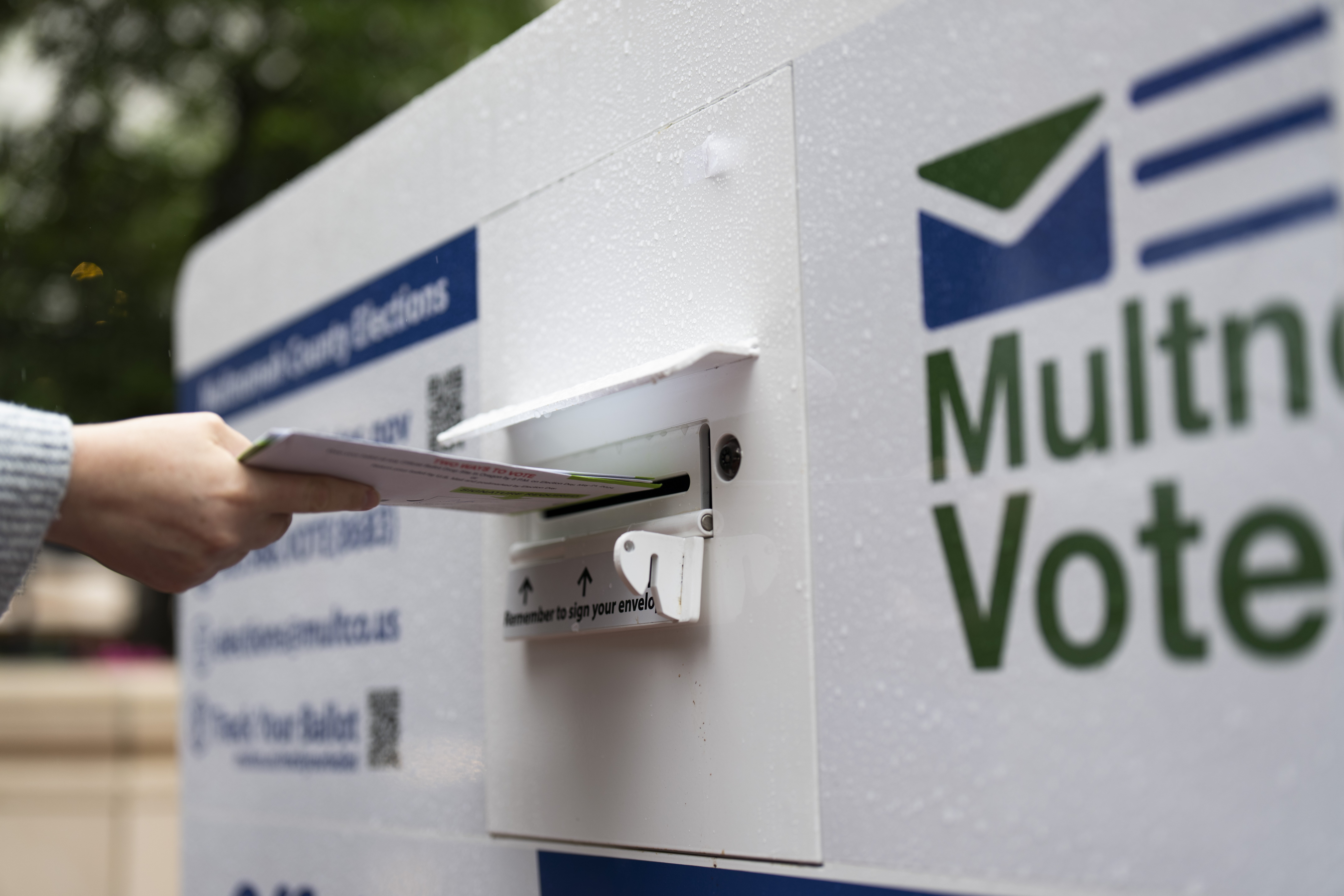
A significant coalition of Senate Democrats is mounting direct pressure on the U.S. Postal Service to disregard an executive order from President Donald Trump that imposes new constraints on mail-in voting. In a formal letter sent Monday, 37 senators led by Minority Leader Chuck Schumer declared the order a constitutional violation and demanded postal officials refuse implementation.
Constitutional Clash Over Election Authority
The senators argue that neither the president nor the Postal Service possesses legal authority to regulate voting methods or determine eligibility for mail ballots in federal elections. "These directives clearly infringe on the states' and Congress' constitutional role to regulate the manner in which federal elections are held and would deny eligible voters their ability to cast a ballot," the lawmakers wrote. They characterized Trump's move as an attempt to "unconstitutionally consolidate power to personally regulate American elections," warning it risks widespread voter disenfranchisement.
The executive order, signed earlier this month, directs Homeland Security Secretary Markwayne Mullin to collaborate with the Social Security Administration to compile a database of verified U.S. citizens eligible to vote. It prohibits the Postal Service from mailing ballots to individuals not on state-approved voter lists and mandates that all mail ballots be secured in envelopes with tracking barcodes.
Legal and Political Backlash Intensifies
This congressional challenge follows immediate legal action from more than twenty Democratic-led states, which filed lawsuits seeking to block the order entirely. Schumer and House Minority Leader Hakeem Jeffries have also initiated separate litigation alongside the Democratic National Committee and other party organizations, signaling a coordinated multi-front resistance.
The confrontation reflects Trump's broader second-term agenda to assert greater federal control over election administration, a push often grounded in his repeatedly debunked claims of widespread fraud in the 2020 presidential election. Ahead of the November midterms, the president has advocated for nationalizing election rules and pressured congressional Republicans to pass the SAVE America Act, which would institute federal photo ID requirements and proof-of-citizenship mandates for voter registration.
This is not the first time Senate Democratic leadership has accused Trump of leveraging executive authority for political ends. Schumer recently alleged the president weaponized the Justice Department in a separate fraud case, illustrating a pattern of institutional clashes. Similarly, Senator Elizabeth Warren has dismissed comparisons between her Fed oversight and Trump's interventions, framing the latter as politically motivated.
The letter's principal signatories include Schumer and Senators Gary Peters, Alex Padilla, and Dick Durbin. Their demand that the Postal Service "follow the law and not implement" the order underscores a deepening institutional conflict between the executive branch and both legislative Democrats and state governments. The Postal Service now faces competing directives from the White House and a substantial portion of the Senate, placing the traditionally independent agency in a politically fraught position.
Analysts view this dispute as part of a larger strategic battle over election integrity and access, with Trump seeking to cement legacy policies despite unified Democratic opposition and ongoing legal challenges. The outcome could significantly impact ballot access in the approaching midterm elections, where control of Congress hangs in the balance. As the administration pursues controversial policies across domains—from potential corporate bailouts to energy and environmental regulation—this electoral confrontation represents a core constitutional and political fault line.