Democratic Leader Condemns Indictment as Political Retribution
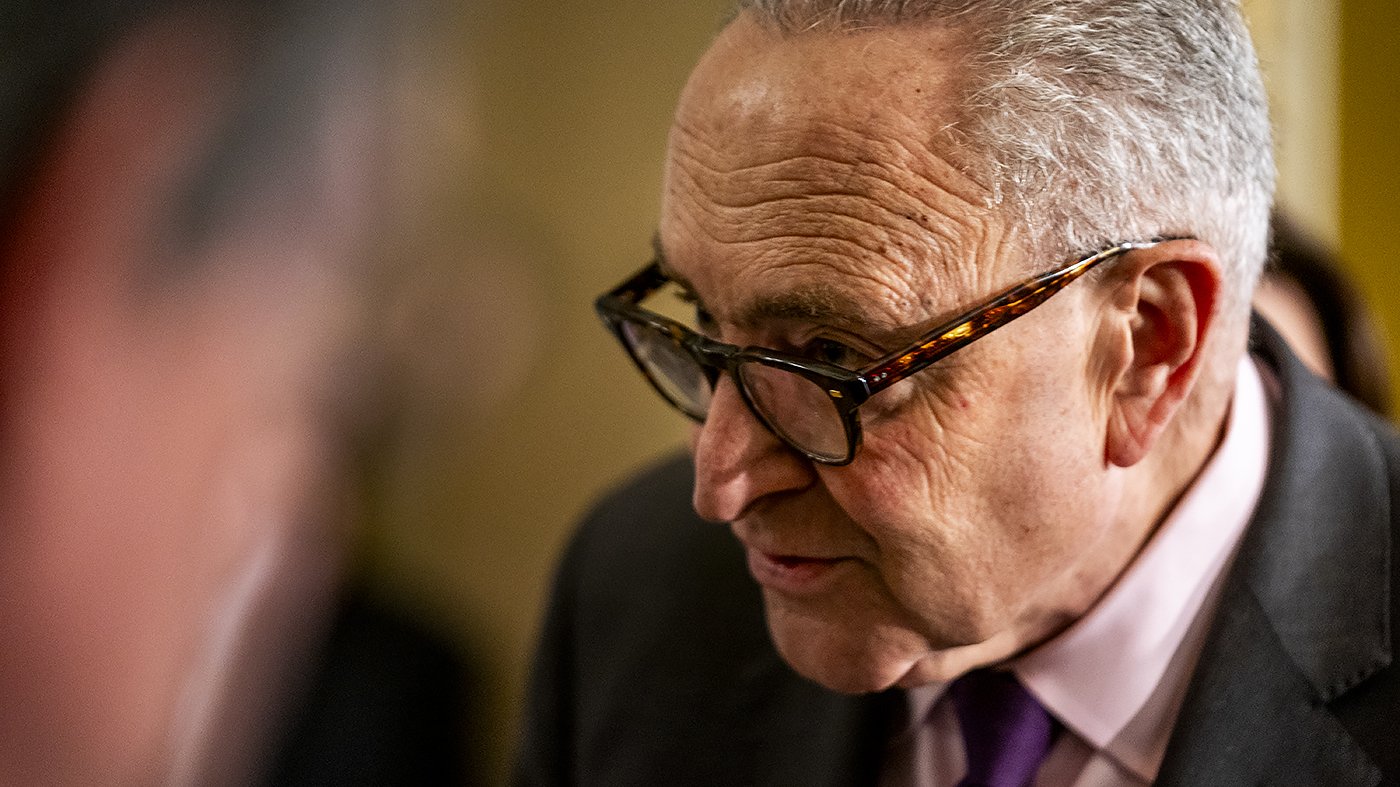
Senate Democratic Leader Chuck Schumer delivered a sharp rebuke from the Senate floor Wednesday, accusing President Donald Trump of corrupting federal law enforcement into a personal instrument of retaliation. The accusation came in response to the Justice Department's 11-count indictment against the Southern Poverty Law Center (SPLC), a prominent civil rights organization known for tracking extremist groups.
"These charges should send a chill down the spine of every American who cares about free expression and the rule of law," Schumer stated. He argued the case represents a dangerous politicization of the Justice Department, which he labeled the "Department of Vengeance." The indictment, unsealed Tuesday, charges the SPLC with bank and wire fraud related to a discontinued program that utilized confidential informants.

Charges Center on Defunct Monitoring Program
Federal prosecutors allege the SPLC established bank accounts under at least five fictitious organization names to facilitate payments to informants. These sources reportedly monitored planning for events like the 2017 Unite the Right rally in Charlottesville and tracked organizations including neo-Nazi factions and the Ku Klux Klan. Acting Attorney General Todd Blanche asserted the group "paid sources to stoke racial hatred," claiming it was "funding" extremism rather than dismantling it.
Schumer dismissed the legal basis of the case. "It has nothing to do with alleged wire fraud or with the Southern Poverty Law Center somehow working in coordination with the KKK. That's ridiculous on its face," he said. "It's about Donald Trump turning the Department of Justice into his own attack dog." The SPLC has faced sustained criticism from conservative figures and groups, including the late Charlie Kirk's Turning Point USA, which it has monitored as part of its work on political extremism.
Broader Context of Political Confrontation
The indictment arrives amid escalating tensions between the Trump administration and its political adversaries. This action follows a pattern where the President has leveraged executive authority against perceived opponents, similar to his recent allegations of a rigged redistricting process in Virginia that benefited Democrats. Schumer's condemnation echoes concerns from other Democratic leaders about the weaponization of government institutions.
Legal experts are divided on the merits of the fraud charges. Supporters of the indictment point to the creation of false entities for banking purposes as a clear violation. Critics, however, see it as a targeted strike against an organization that has documented far-right extremism, potentially chilling legitimate watchdog activities. The SPLC has not yet issued a formal statement beyond its initial denial of wrongdoing.
This confrontation occurs as the Trump administration faces multiple political headwinds, including internal GOP debates over midterm election strategy and external policy challenges. The move against the SPLC may galvanize Democratic efforts to investigate the administration's conduct, a priority for figures like Maine Democrat who has vowed aggressive Trump probes.
The Justice Department declined to comment beyond the published indictment. The case is expected to proceed in federal court, where the legal arguments will be tested alongside the political claims of motivation. The outcome could have significant implications for how nonprofit organizations conduct sensitive research and for the perceived independence of federal law enforcement during a polarized election cycle.