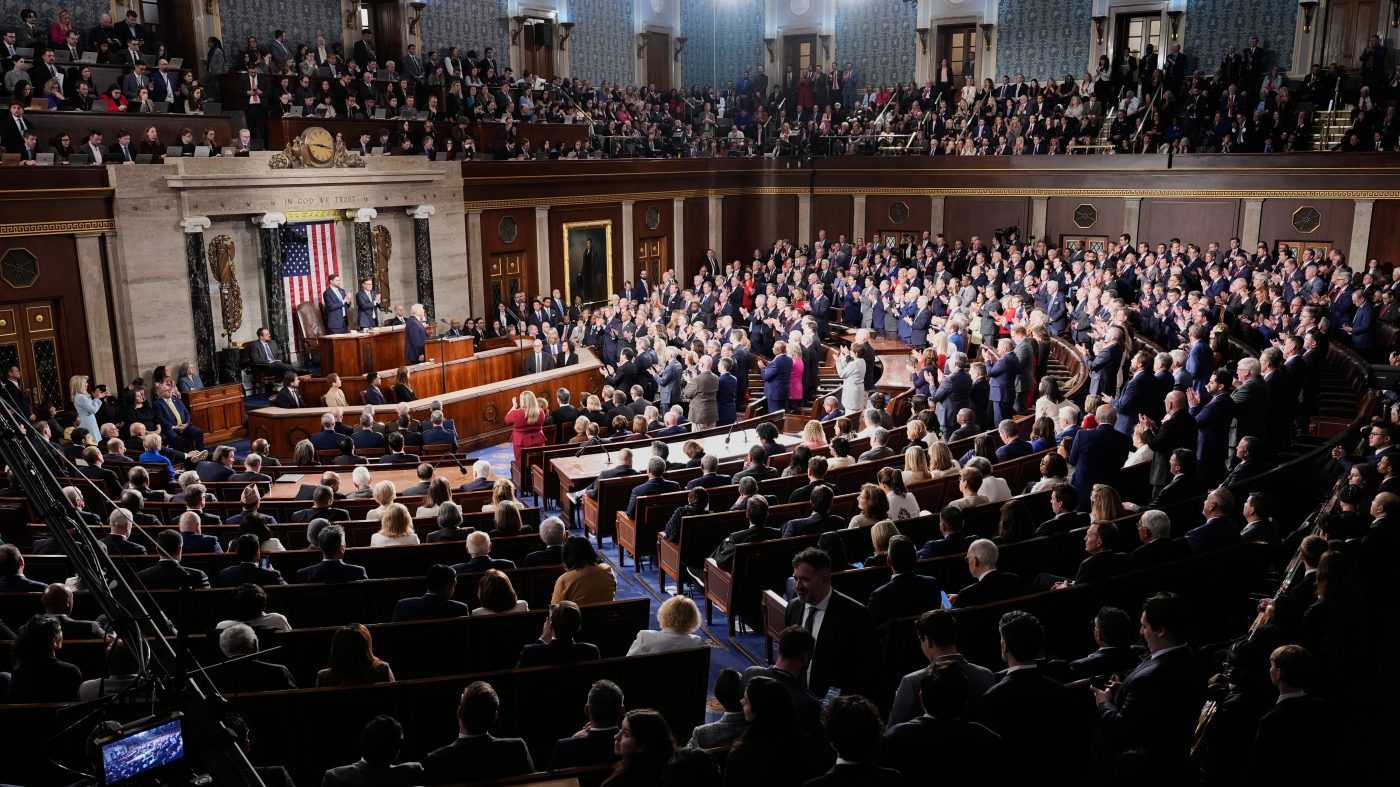
Public confidence in the U.S. Congress has cratered to a near-historic low, according to a new Gallup survey released Wednesday. Only one in ten Americans approves of the job federal lawmakers are doing, while a staggering 86% disapprove.
Nearing Rock Bottom
The dismal 10% approval rating places Congress just one percentage point above its all-time nadir of 9%, recorded in November 2013 following a 16-day partial government shutdown. This marks a significant decline from the 14% approval measured after last year's funding lapse, indicating a deepening public frustration with legislative dysfunction.
Shutdown and Immigration Standoff
The survey was conducted as a record-long partial shutdown at the Department of Homeland Security (DHS) stretched through the spring. The impasse stems from a bitter partisan fight over proposed reforms to immigration enforcement, with Democratic lawmakers demanding changes in response to the Trump administration's aggressive operations in states like Minnesota, Illinois, and California. Tensions were further inflamed earlier this year when federal agents fatally shot two people during operations in Minneapolis.
On Tuesday, Senate Republicans unveiled a new budget resolution designed to fund DHS's Immigration and Customs Enforcement (ICE) and Border Patrol agencies for the remainder of President Trump's second term. GOP leaders expect to pass the measure this week, which would restore funding to these agencies later in the spring. This follows the $170 billion allocated for border security and immigration enforcement in the major spending bill Trump signed last year.
Broader Political Context
The collapse in congressional esteem unfolds against a backdrop of heightened international tension and economic anxiety. The ongoing conflict between the U.S. and Iran has driven concerns over rising energy prices, a pressure point Democrats have sought to address. They have repeatedly, though unsuccessfully, pushed a war powers resolution to curtail President Trump's military options against Iran, with Republicans consistently blocking the effort.
On Monday, President Trump invoked wartime authority to boost domestic production of oil, gas, and coal as fuel costs remain elevated. This move comes as the President faces his own political headwinds; a separate Associated Press-NORC poll shows his approval on handling the economy has fallen to 30%. This broader climate of disapproval is reflected in other metrics, such as when Trump's economic approval plummets to 30% as Iran war strains fuel prices, and analyses that note Trump approval hits new low amid Iran conflict and diplomatic tensions.
Methodology and Implications
The Gallup poll surveyed 1,001 U.S. adults between April 1 and April 15, with a margin of error of approximately four percentage points. The findings suggest a legislature profoundly out of step with the public it serves, mired in partisan stalemates on critical issues from homeland security to foreign policy. With key deadlines looming, including the fragile situation with Iran where Trump signals ceasefire with Iran will expire Wednesday without a deal, the political environment remains volatile. The profound lack of faith in Congress presents a significant challenge for both parties as they head toward the next election cycle, mirroring the kind of voter discontent that can reshape political landscapes, as seen when Betty Yee exits California governor race, citing polling and donor challenges.