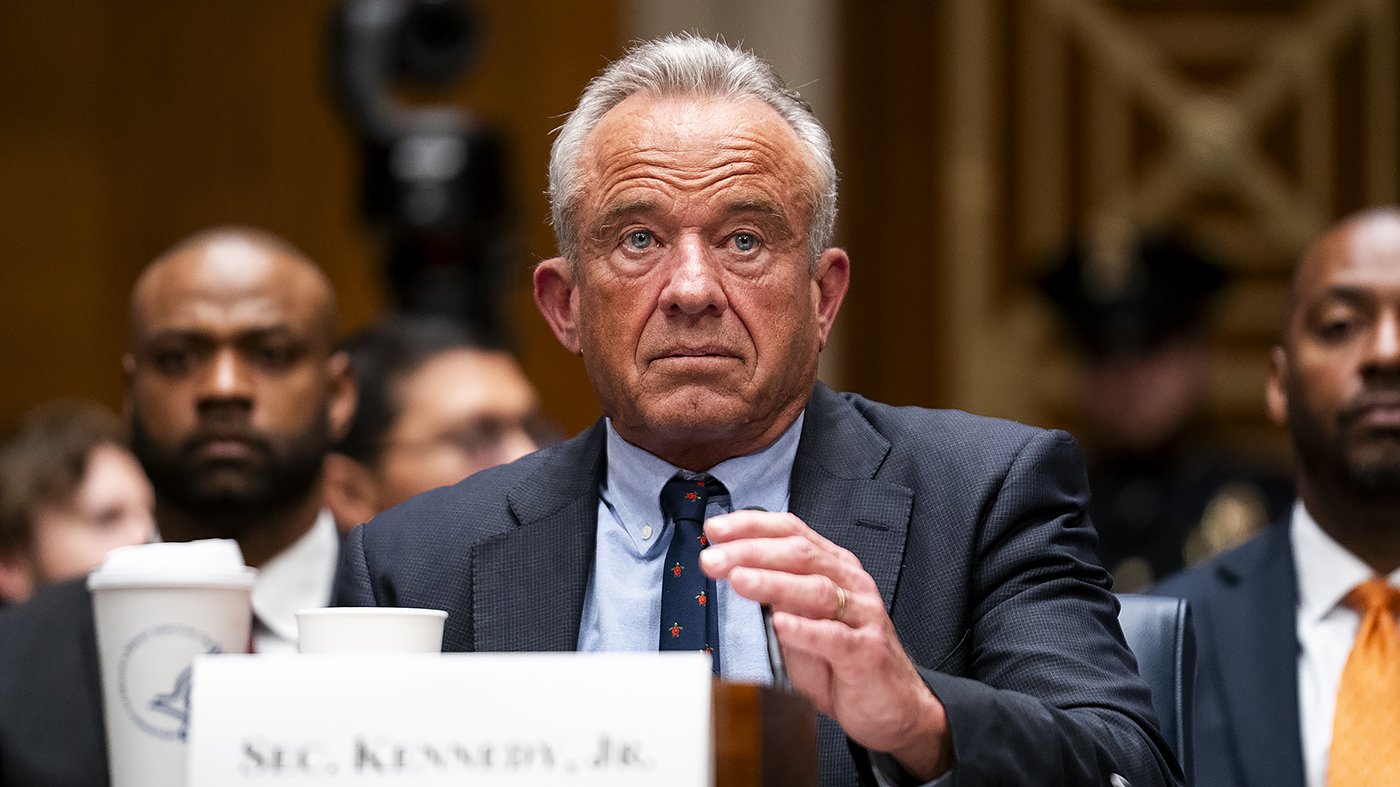
Health and Human Services Secretary Robert F. Kennedy Jr. delivered a contradictory performance before Congress on Wednesday, offering an apology for inflammatory past remarks about Black children while simultaneously denying he ever made them—despite the existence of an audio recording.
The controversy centers on comments Kennedy made during his 2024 presidential campaign. On the 'High Level Conversations' podcast, he stated that psychiatric drugs 'which every black kid is now just standard put on' could lead to violence, and suggested those children 'are going to have a chance to go somewhere and get re-parented; to live in a community where there’ll be no cell phones no screens.'
Confrontation in Committee
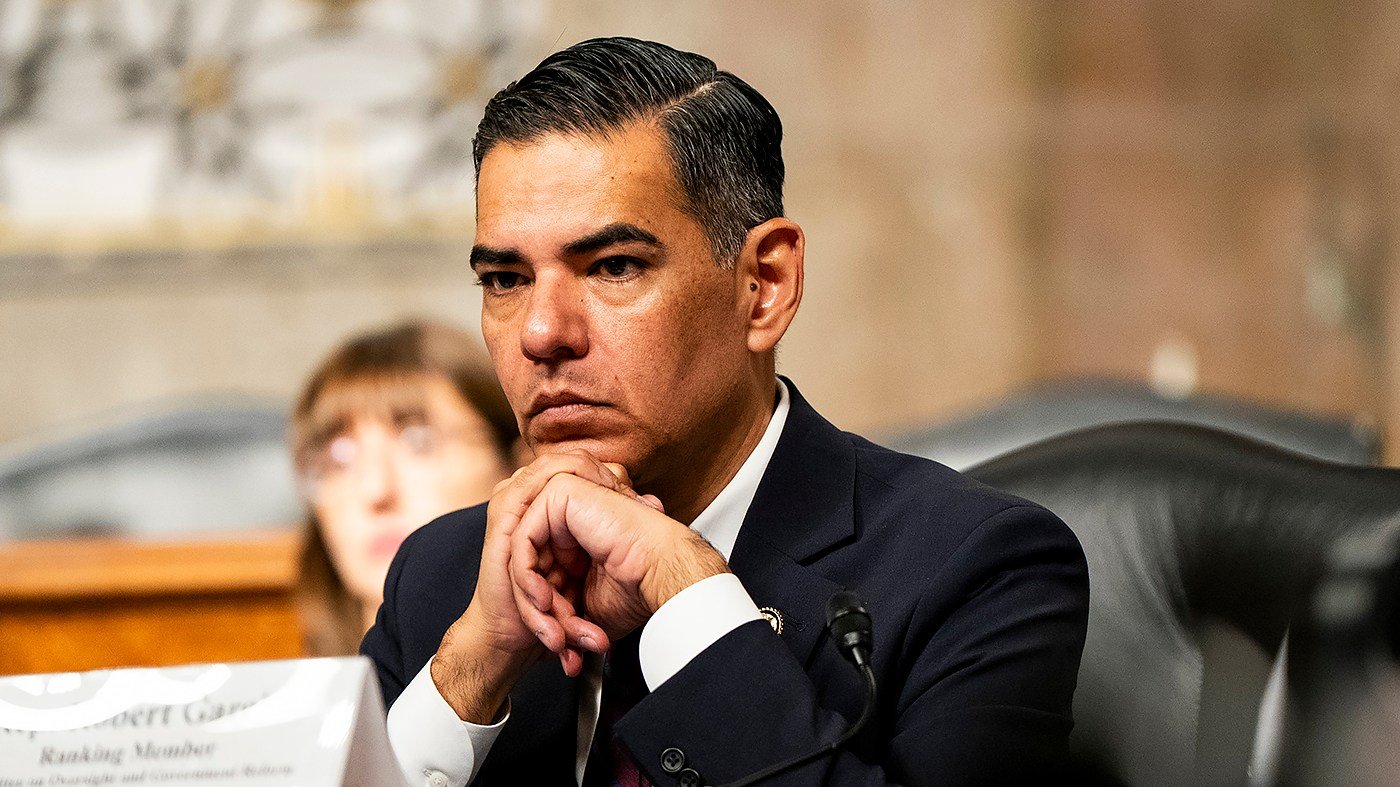
Under questioning from Senator Angela Alsobrooks (D-Md.), Kennedy was asked to admit he had described a plan involving rural rehabilitation centers for Black youth. He responded, 'I would have to see, hear that recording. I have no memory of saying anything like that.' He added, 'But if you ask me what my opinion is, I do not believe that every Black kid should be re-parented on a wellness farm or whatever and I have never believed that.'
This followed a similar exchange last week with Representative Terri Sewell (D-Ala.), where Kennedy claimed he didn't even know the meaning of the term 're-parented.' Facing the evidence, he ultimately told Alsobrooks, 'If I said it, I apologize but I’d have to see the transcript.'
Department Spokesperson Provides Context
An HHS spokesperson, asked for comment, framed the secretary's past statements differently. They told The Hill that before his appointment, Kennedy had described 'communities as spaces where individuals, particularly young people facing alienation, mental health challenges, and rising rates of despair could undergo a form of 'reparenting.'' The spokesperson defined it in psychotherapy terms as 'developing the emotional regulation, discipline, boundaries, and self-worth that may not have been established in childhood.'
This incident is not Kennedy's first entanglement with race-based controversies. During the pandemic, he was recorded promoting a conspiracy theory that COVID-19 was 'ethnically targeted' to spare Ashkenazi Jews and Chinese people, suggesting it disproportionately attacked Black and Caucasian people. He later denied supporting that specific theory, claiming he was only noting that governments develop 'ethnically targeted bioweapons.'
Kennedy has also previously advocated for a different immunization schedule for Black Americans, asserting 'their immune system is better than ours'—a position he defended when confronted by Alsobrooks last year. These repeated incidents have drawn scrutiny to his leadership of the department overseeing the nation's public health, including its role in mandating free preventive care and broader healthcare reform debates.
The episode highlights ongoing tensions within the administration and Congress regarding public health messaging and equity. It occurs amid other significant political shifts, including the resignation of Labor Secretary Chavez-DeRemer and visible fractures within the MAGA movement.
Kennedy's conditional apology and denial leave unresolved questions about accountability for past statements by a sitting cabinet secretary, potentially complicating the department's initiatives on mental health and racial disparities in care.