The world's top condom manufacturer is set to jack up prices by as much as 30 percent, blaming supply chain chaos unleashed by the Iran war—a move that could ripple through global health programs and hit consumers in the wallet.
Malaysia-based Karex, which churns out over 5 billion condoms annually, confirmed it will raise prices by 20 to 30 percent or more, according to CEO Goh Miah Kiat. Kiat told Reuters the company has "no choice but to transfer the costs right now to the customers," citing soaring expenses for raw materials and packaging since the conflict erupted in late February.
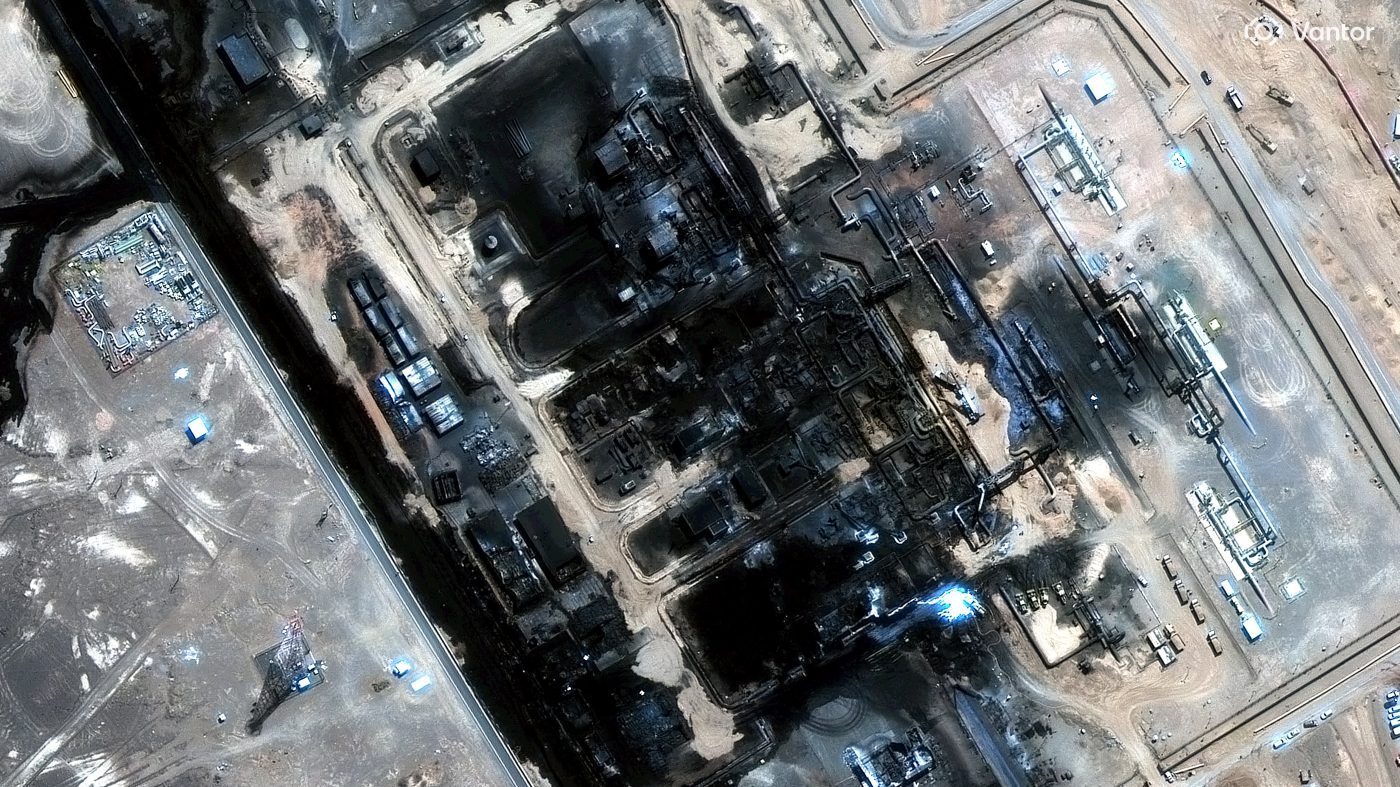
The war has snarled shipping routes through the Strait of Hormuz, a critical chokepoint for global trade. Kiat noted that delivery times to Europe and the United States have doubled from one month to nearly two, leaving containers stranded at sea. "We're seeing a lot more condoms actually sitting on vessels that have not arrived at their destination but are highly required," he said.
Higher shipping costs and delays have already tightened supplies, driving up demand as customers scramble to stock up. Karex supplies major brands like Durex and Trojan, meaning the price hike could soon show up on pharmacy shelves worldwide.
The disruption adds to broader economic fallout from the Iran conflict. Vice President Kamala Harris has blamed the crisis on what she calls a 'war of choice' tied to Trump-era Iran policy, while energy markets face similar strains. A Chevron executive recently urged conservation as the war rattles global energy markets, and airlines are hiking fees as jet fuel costs spike.
Public health experts warn the condom price spike could undermine family planning and disease prevention efforts, especially in developing nations reliant on affordable supplies. The United Nations and NGOs often distribute condoms through aid programs, and higher costs may force budget cuts or reduce access.
Karex's move mirrors a pattern of price increases across industries as the Iran war strains logistics. U.S. airlines have imposed steep baggage fee hikes, and Baltimore even reduced water fluoridation citing supply chain disruptions from the Middle East conflict. The condom market, however, carries unique stakes for global health.
Kiat emphasized the fragility of the situation: "The situation is definitely very fragile, prices are expensive." With no end to the war in sight, Karex and its customers face continued uncertainty—and higher costs for a product many consider essential.