A fresh Gallup poll reveals deepening pessimism among Americans about the nation's economy, with nearly half of respondents—47 percent—describing current economic conditions as “poor.” That figure marks a 10-percentage-point increase since January and ties the highest level recorded late last year.
The survey, conducted April 1-15 among 1,001 U.S. adults, also found that three-quarters of Americans believe the economy is “getting worse,” while only 21 percent see improvement. Confidence in the job market is similarly fragile: just 33 percent say now is a “good time” to find a quality job, matching the lowest reading since the COVID-19 pandemic began and down 5 points from earlier this year.
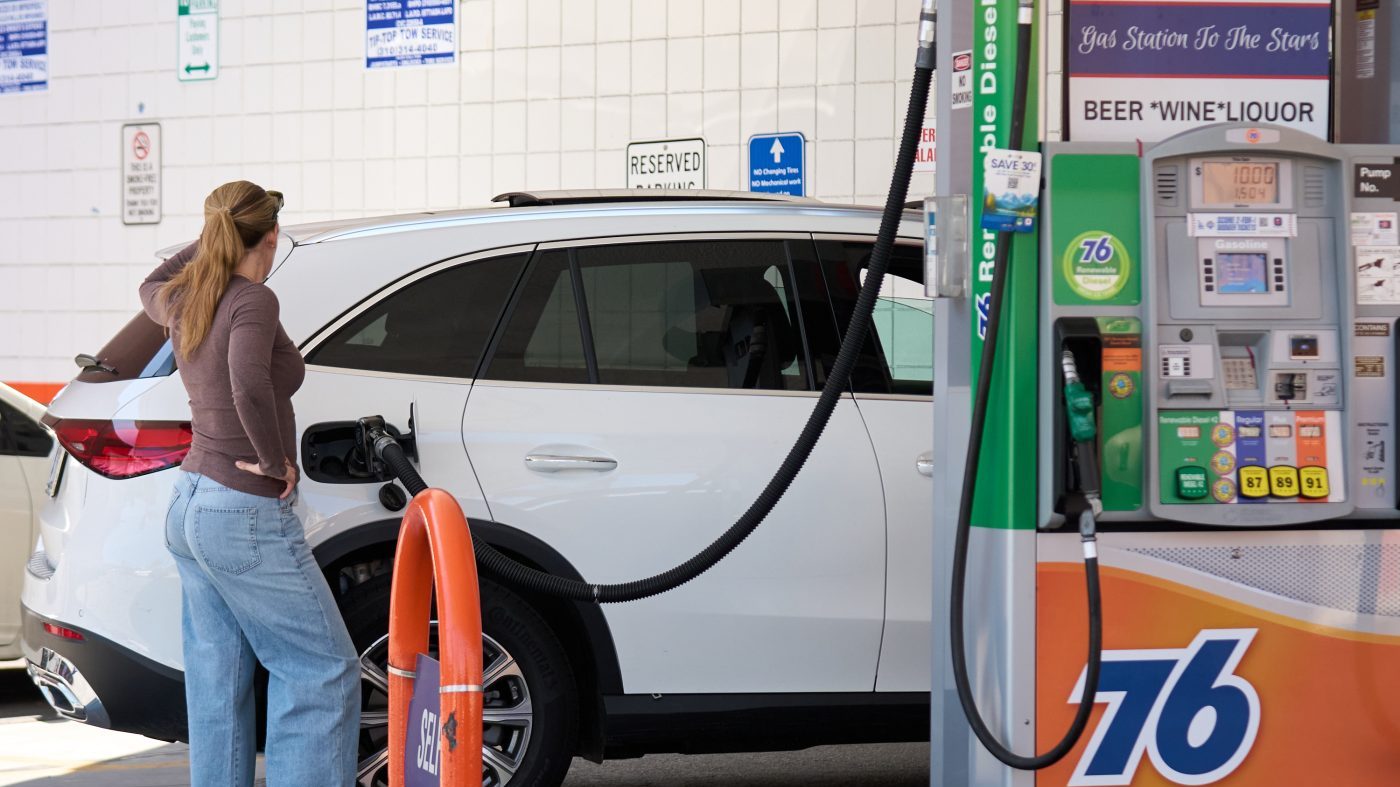
Rising energy costs are a key driver of the souring mood. The effective closure of the Strait of Hormuz amid the ongoing conflict with Iran has sent global oil prices soaring. International benchmark Brent crude traded near $103 a barrel Thursday, down from a March peak of $118, while U.S. West Texas Intermediate hovered around $94. At the pump, the average price of regular gasoline topped $4 a gallon Thursday, according to AAA.
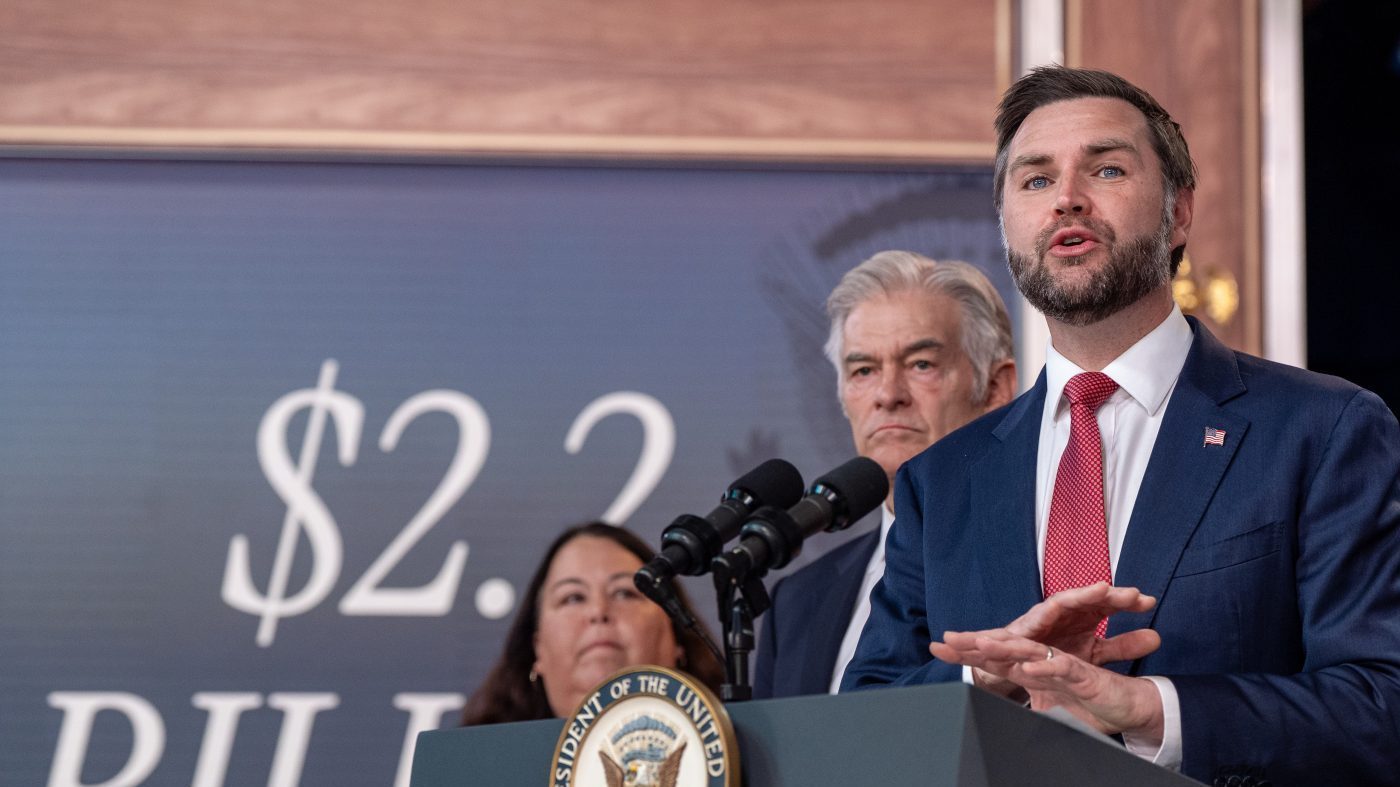
The Bureau of Labor Statistics reported last month that inflation hit its highest level in nearly four years, with consumer prices rising 0.9 percent. Energy costs surged 10.9 percent in March alone, including a 30.7 percent spike in fuel oil and a 21.2 percent jump in gasoline. The White House has played down these increases, with President Trump telling a Las Vegas crowd last week, “Don’t forget, we’re having some fake inflation because of the fuel, the energy prices.”
But political strategists warn that rising costs and eroding confidence could become a liability for Republicans in the upcoming midterm elections. A GOP strategist told The Hill that the Iran conflict’s impact on prices “is a real political problem,” noting that “voters were already telling us they were concerned about affordability, and that was even before the conflict.” The strategist described “a growing momentum of affordability concerns” that could shape voter decisions.
The poll underscores how central economic anxiety has become: 32 percent of respondents named the economy—including inflation, high living costs, and gas prices—as the most important issue facing them personally. Immigration and the Middle East conflict were also frequently cited.
Meanwhile, a separate Gallup survey shows environmental anxiety hitting record highs as the administration continues to prioritize fossil fuel production. And as states grapple with shifting populations, data reveals a growing exodus from high-spending states to those with lower fiscal burdens.
The Gallup survey has a margin of error of plus or minus 4 percentage points at the 95 percent confidence level.