House Republicans are circulating a new draft proposal to extend the government's surveillance powers under Section 702 of the Foreign Intelligence Surveillance Act, but the plan stops short of the warrant requirement demanded by privacy advocates across the political spectrum. The document, obtained by The Hill, comes as negotiations remain fluid and no final text has been released ahead of the April 30 expiration deadline.
The summary of the proposal states it “complements existing law” by reaffirming Fourth Amendment protections for Americans whose communications may be incidentally collected while targeting foreign nationals abroad. However, critics argue these protections are insufficient, as Section 702 currently allows warrantless surveillance of foreigners located outside the U.S., with Americans’ data often swept up in the process.
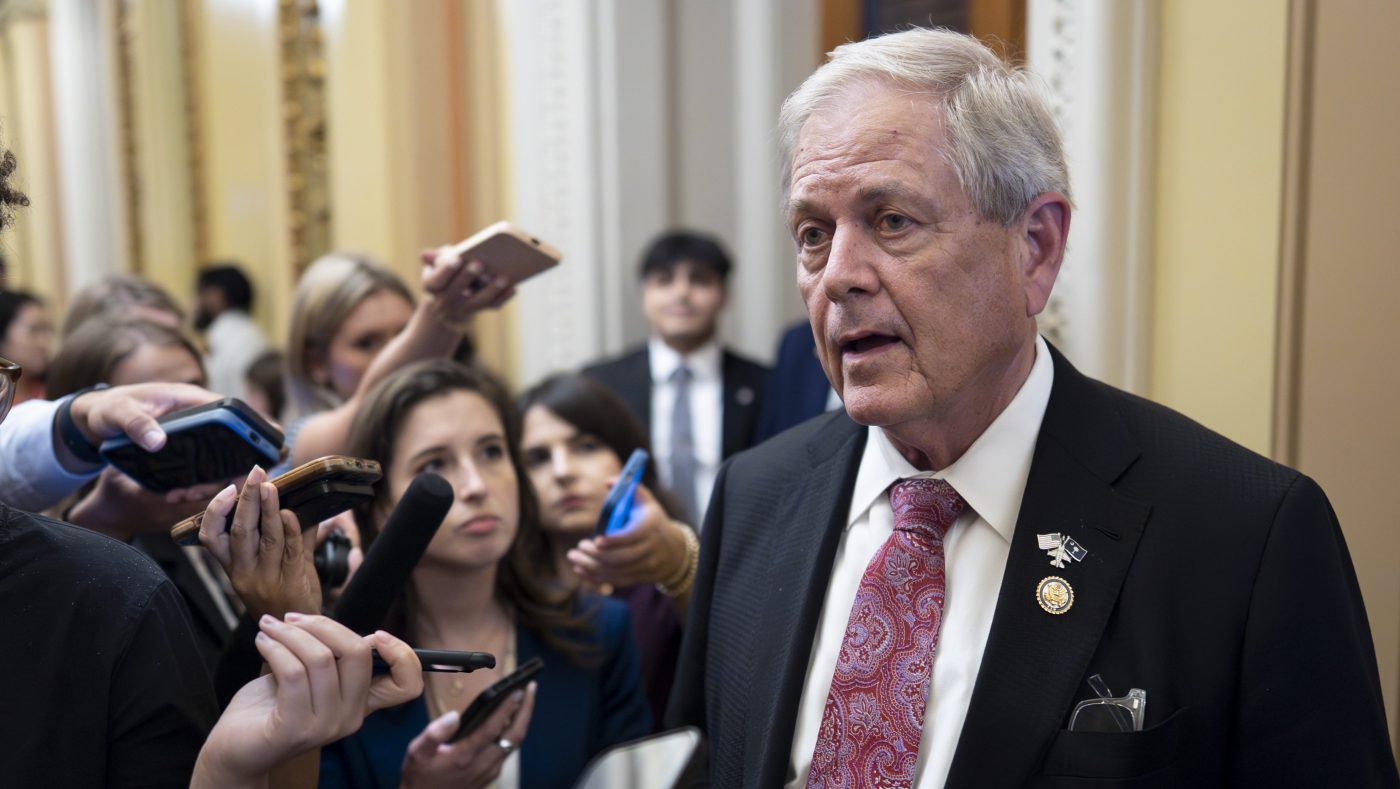
Privacy hawks on both the left and right have pushed for a warrant requirement to shield U.S. citizens from warrantless searches. The lack of such a provision in the latest draft is expected to disappoint those who have made it a key demand. Representative Ralph Norman (R-S.C.), a vocal critic, was seen holding draft text and told reporters the language was “not to my satisfaction.”
The proposed reforms would require FBI agents to obtain attorney approval before running queries on Americans, a step that a supervisor can currently authorize. This change aims to tighten oversight but stops well short of a judicial warrant. The draft would also direct the attorney general to expand access for lawmakers to review Section 702 information at the Foreign Intelligence Surveillance Court, a privilege currently limited to the leadership of the intelligence and judiciary committees in both chambers.
This development unfolds as House Freedom Caucus members express dissatisfaction with the current language under discussion. The internal GOP rift mirrors broader bipartisan tensions over surveillance powers, a debate that has stalled progress on renewing the program. Bipartisan talks on FISA 702 renewal have yet to produce a breakthrough on the warrant issue, leaving the program’s future uncertain.
The lack of a warrant requirement is a significant sticking point for privacy-minded lawmakers who argue that the Fourth Amendment should apply to all government searches, regardless of whether the primary target is a foreigner. Critics contend that the current system allows the FBI to access Americans’ communications without probable cause, a practice they say violates constitutional protections.
As the April 30 deadline looms, House Speaker Mike Johnson faces mounting pressure to navigate a path forward. The debate over Section 702 is just one of several high-stakes issues on his agenda, alongside expulsions and war powers deadlines. Johnson is juggling multiple critical deadlines this week, including the FISA reauthorization, which could determine the fate of the surveillance program.
While the draft includes some reforms, the absence of a warrant requirement ensures the fight over the balance between national security and civil liberties is far from over. The coming days will test whether House Republicans can bridge their internal divisions and pass a reauthorization bill before the program expires.