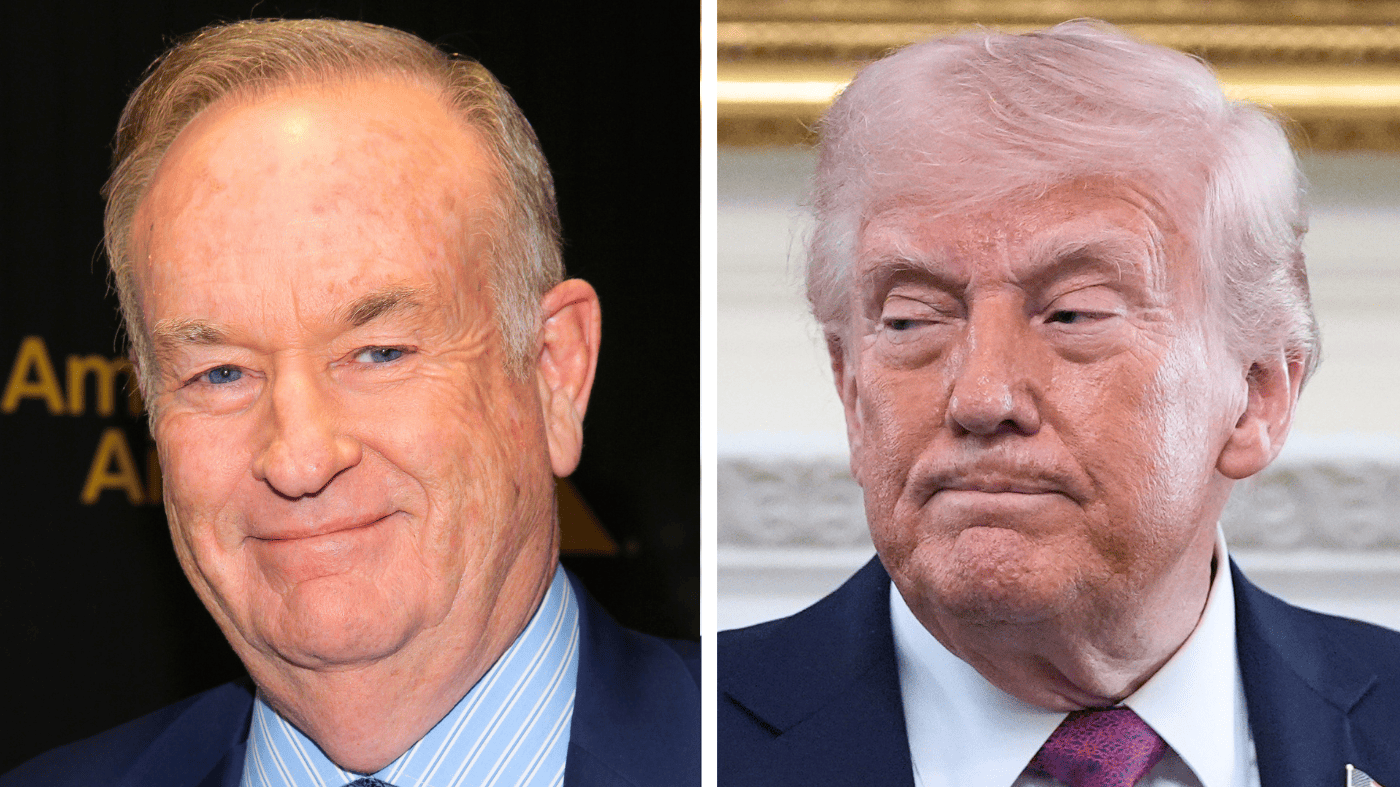
Conservative commentator Bill O'Reilly declared Wednesday that President Trump is in a political bind over the Iran conflict, arguing that a clear victory is essential to reverse his sinking approval numbers. Appearing on NewsNation, O'Reilly said Trump's current standing is precarious, but a win would transform perceptions. "See, if he wins in Iran, the equation changes because he becomes the victor, and to the victor go the spoils, as the cliché goes," O'Reilly stated.
The U.S.-Israeli joint military operation against Iran, launched in late February, has taken a toll on Trump's public support. A Marquette Law School poll found that just 32% of Americans approve of his handling of the war, while 68% disapprove. The conflict has rattled global markets and drawn criticism even from within Trump's own political base, especially after his profanity-laced threats against Tehran.
O'Reilly outlined the White House's immediate goals: securing a deal to curb Iran's nuclear ambitions and reopening the Strait of Hormuz, a critical chokepoint for global oil shipments. Trump has imposed a naval blockade in the waterway amid a temporary ceasefire with Iran. The commentator suggested that reopening the strait could give Trump significant political capital. "I expect oil prices would then come down very quickly," he told NewsNation. "So, it's not big, it's not can't-get-out-of-it, it's still a cliff hanger."
Under normal conditions, roughly one-fifth of the world's daily oil consumption passes through the Strait of Hormuz. Iranian retaliatory strikes and the U.S. blockade have effectively shut the waterway, sending energy prices soaring. A Quinnipiac University poll found that a majority of U.S. voters blame Trump for the spike in gas prices. The White House has dismissed these cost increases as temporary, with Trump telling a Las Vegas crowd last week, "Don't forget, we're having some fake inflation because of the fuel, the energy prices."
On Thursday, Trump escalated his stance, ordering the U.S. Navy to "shoot and kill" any vessels laying mines in the strait. The administration had already begun de-mining operations earlier this month, aiming to safely reopen the waterway. In a post on Truth Social, Trump called for these efforts to be "tripled up."
The president's handling of the Iran crisis is drawing comparisons to other contentious policy moves, such as the backlash over his threats to fire on Iranian mine-laying boats. Meanwhile, the broader political landscape shows signs of strain, with even conservative allies questioning his approach. A recent poll highlighted that 57% of Americans believe the Supreme Court avoids rulings Trump might defy, signaling a broader trust deficit.
O'Reilly's analysis suggests that Trump's political future hinges on a swift and decisive outcome in Iran. Without a clear win, the president faces mounting pressure from both voters and his own party, as the conflict drags on and economic pain deepens.