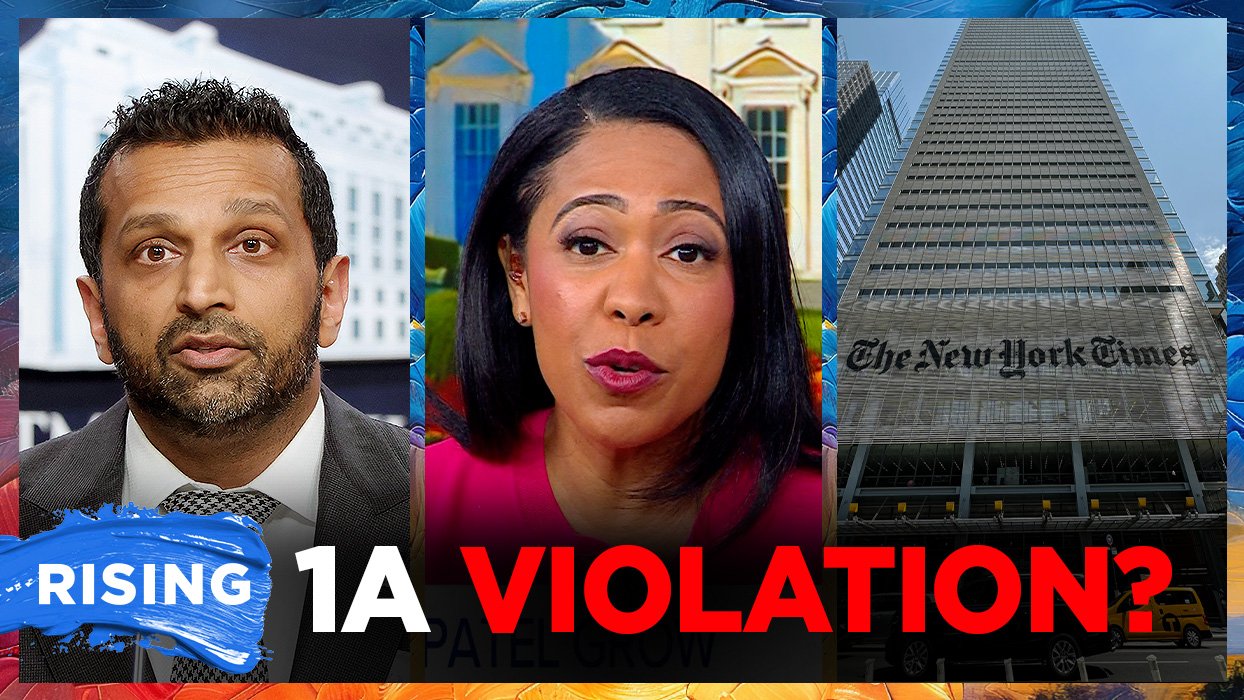
The FBI opened an investigation into a New York Times reporter after she published an article detailing how FBI Director Kash Patel's girlfriend received agency-funded security and transportation, according to new reports. The probe included interviews with Patel's girlfriend, database searches on the journalist, and consideration of whether her reporting constituted stalking or other criminal activity. This development has ignited fierce debate over the line between legitimate national security concerns and personal sensitivity at the highest levels of law enforcement.
Pattern of Concern
This incident is not an isolated one. Critics point to a pattern of behavior under Patel's leadership that blurs the boundaries between protecting national security and retaliating against press scrutiny. The FBI has stated that the initial inquiry was sparked by a threat referencing the article, which they took seriously. However, the scope of the investigation—exploring whether the reporter's journalism itself was criminal—has drawn sharp condemnation.
The New York Times' executive editor called the probe “a blatant violation” of First Amendment protections, underscoring the gravity of the situation. Justice Department officials ultimately concluded there was no legal basis to proceed, and the FBI has since dropped the case. Yet the fact that it reached that stage has already done damage.
Constitutional Questions
For political journalists and close observers, this episode raises fundamental questions about the health of democratic institutions. When a reporter's routine work—contacting sources and asking tough questions—can trigger a federal investigation, it creates a chilling effect across the entire media landscape. As trust in institutions already wavers, this kind of incident feeds fears that the government is weaponizing its powers against the press.
The controversy also ties into broader debates about Patel's tenure. He faces multiple legal challenges, including a dismissed defamation suit and congressional scrutiny over conduct allegations. Democratic leaders like Hakeem Jeffries have even targeted Patel for removal, escalating pressure on the Trump administration.
Broader Implications
This is not just about one reporter or one story. It's about whether the FBI, an agency tasked with upholding the law, can be trusted to resist political pressure. Once journalists start questioning whether their work could land them under investigation, the entire system of accountability suffers. A functioning democracy depends on a free press that can ask uncomfortable questions without looking over its shoulder.
As this saga unfolds, the central question remains: Are we blurring the line between national security and personal sensitivity? For now, the answer appears to be a troubling yes.