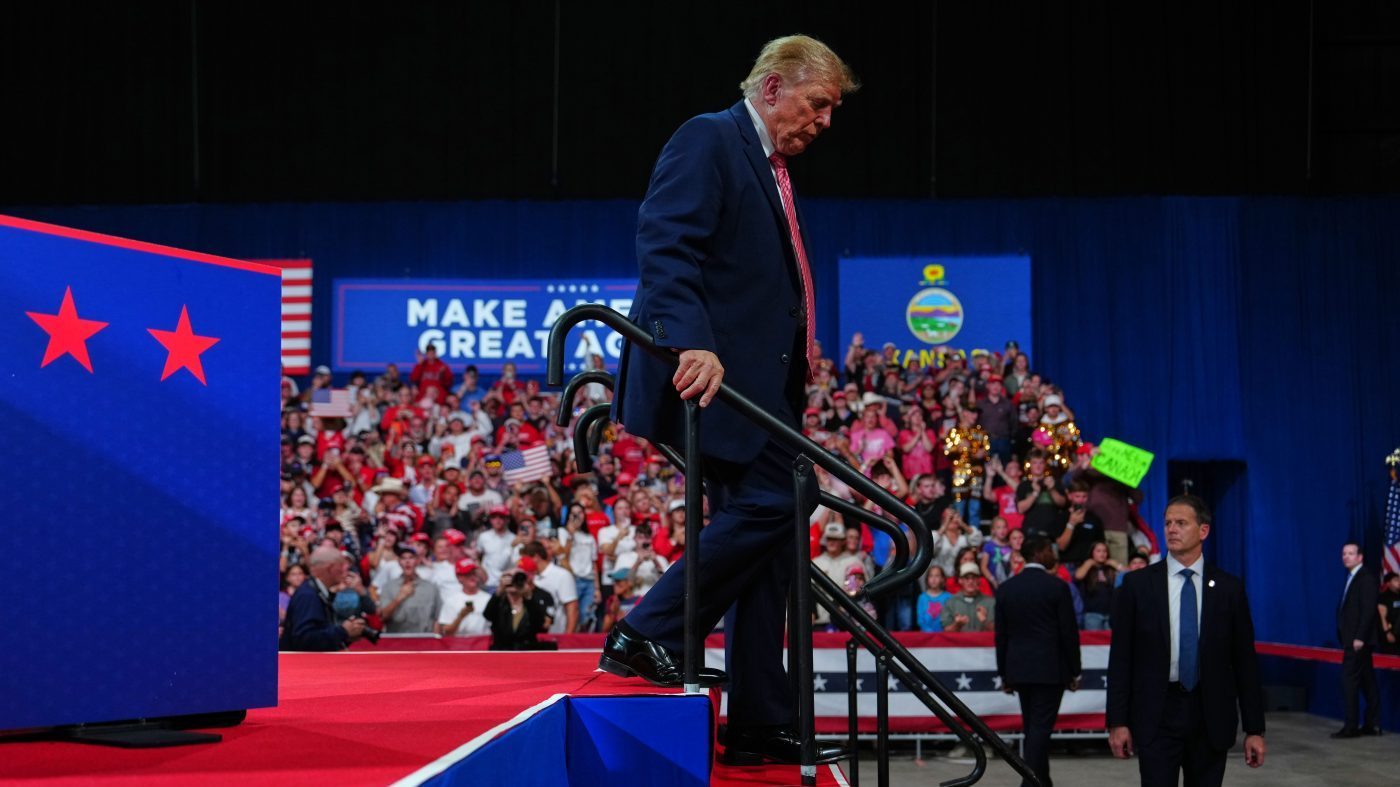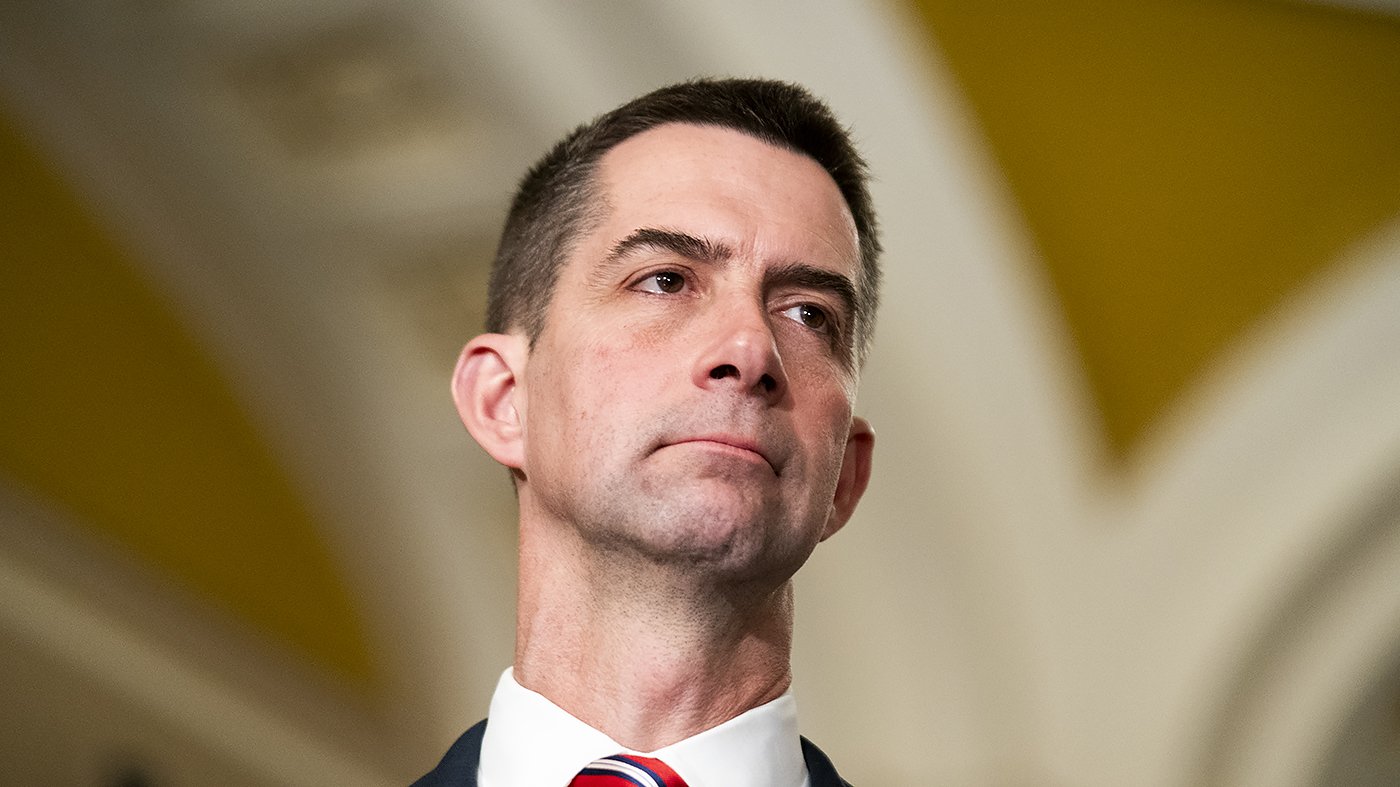
Senator Tom Cotton (R-Ark.) sharply criticized the Justice Department on Thursday for downgrading the federal classification of state-approved medical marijuana, a shift he argues ignores the growing potency and risks of modern cannabis.
In a post on X, Cotton wrote that marijuana today is far stronger than it was a decade or two ago, linking the trend to increased rates of psychosis, antisocial behavior, and fatal car crashes. “Arkansans don’t want more dangerous drugs obtained more easily,” he said, adding that the reclassification is “a step in the wrong direction.”
The order, signed by Acting Attorney General Todd Blanche on Thursday morning, moves marijuana from the DEA’s strictest Schedule I category to the less restrictive Schedule III. This does not legalize cannabis at the federal level, but it applies to the 40 states that have approved medical use. Licensed dispensaries in those states will now benefit from a major tax break, and researchers will have clearer access to purchase cannabis for studies. The move builds on an executive order President Trump issued last December, which directed officials to expedite the reclassification process.
Criticism has also come from Kevin Sabet, CEO of Smart Approaches to Marijuana, who described the decision as a capitulation to industry interests. “Policy is now being dictated by marijuana CEOs, psychedelics investors and podcasters in active addiction,” Sabet said in a statement, calling it “a travesty and injustice to the American people.”
Supporters of the change, however, see it as a long-overdue correction. Adam J. Smith, executive director of the Marijuana Policy Project, hailed the move as “a historic move toward sanity in cannabis policy.” He expressed hope that reclassification will spur more medical research and encourage states to ensure safe, regulated access for patients. But Smith also stressed that the shift falls short of full descheduling, noting that it does nothing to end the hundreds of thousands of annual possession arrests or resolve the conflict between federal prohibition and state-regulated markets where over half of American adults live. “The federal government should treat cannabis the same way it treats alcohol,” he said.
White House spokesperson Kush Desai defended the administration’s approach, stating that the DOJ’s action “is a welcome step to increase critical research into possible medical applications of cannabis.” Desai added that the Trump administration is committed to “a Gold Standard Science-based approach” to health policymaking, particularly for veterans and patients.
The reclassification has drawn sharp partisan lines, with Republicans like Cotton warning of public health consequences while advocates push for broader reform. The debate also intersects with broader concerns about U.S. drug strategy, as critics argue the government is flying blind against new synthetic threats. Meanwhile, the administration’s decision signals a major shift in federal cannabis policy, though the long-term impact remains uncertain.