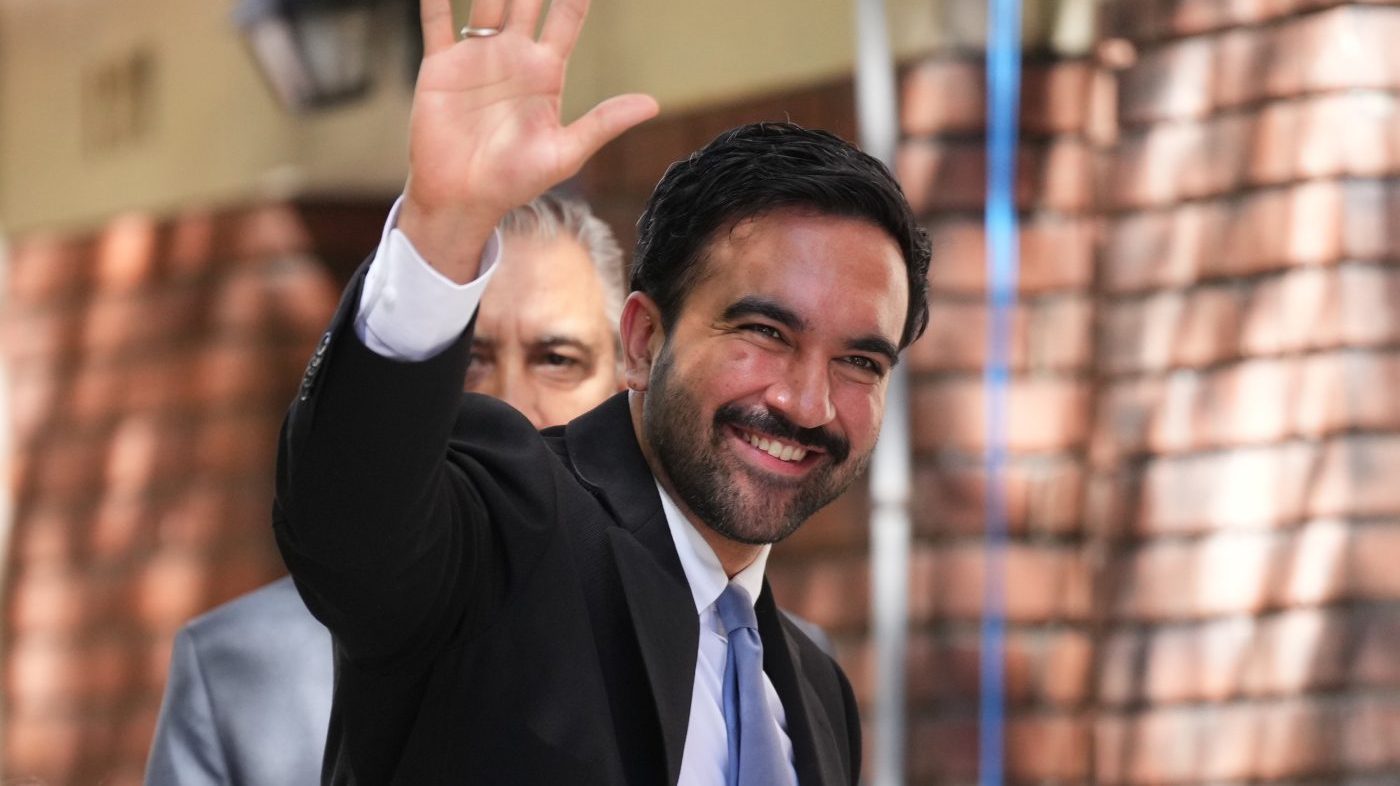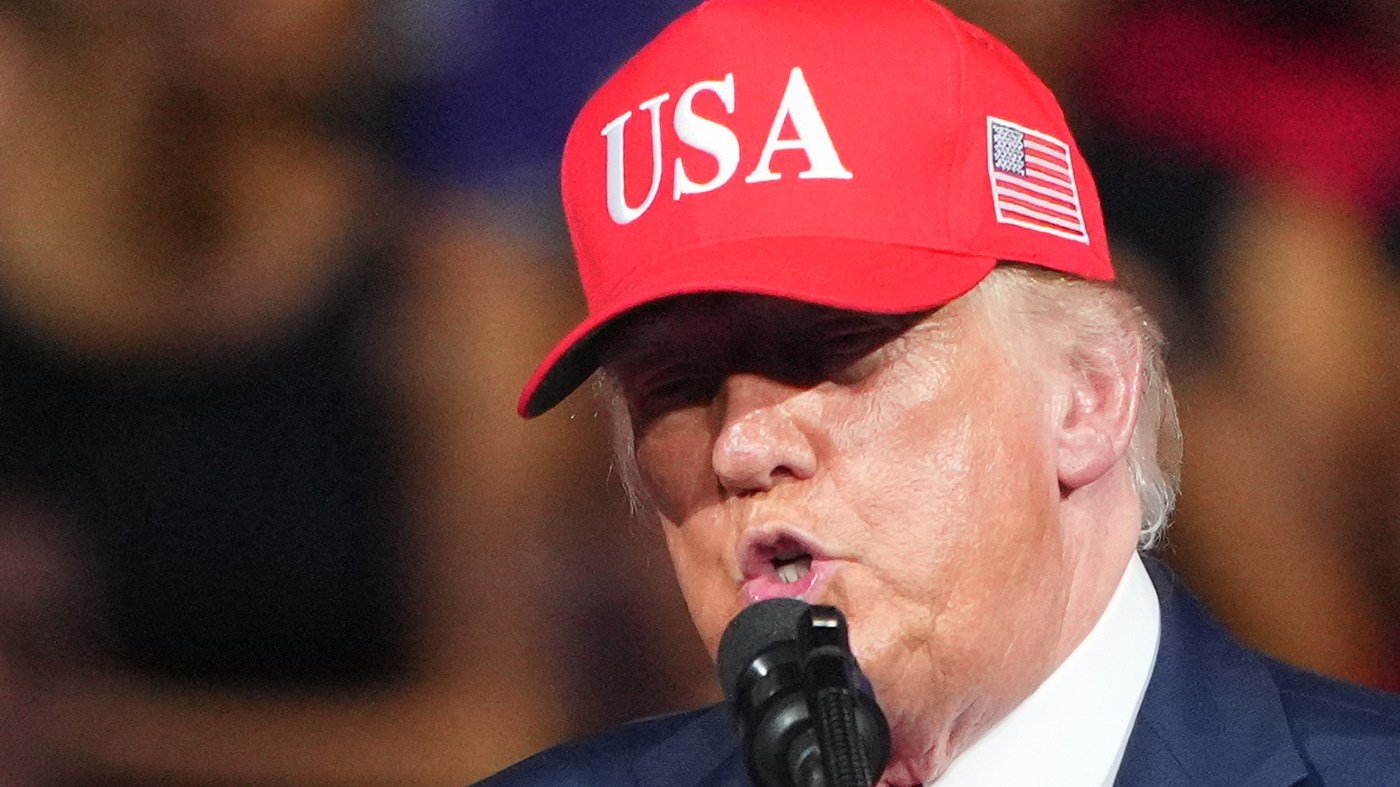
FBI Director Kash Patel is confronting intense political and legal pressure following a published report detailing allegations about his conduct and a subsequent congressional demand for a personal medical evaluation. The controversy centers on a recent article in The Atlantic citing Justice Department and FBI officials who expressed concern about Patel's alcohol consumption and accessibility.
Congressional Demands Escalate
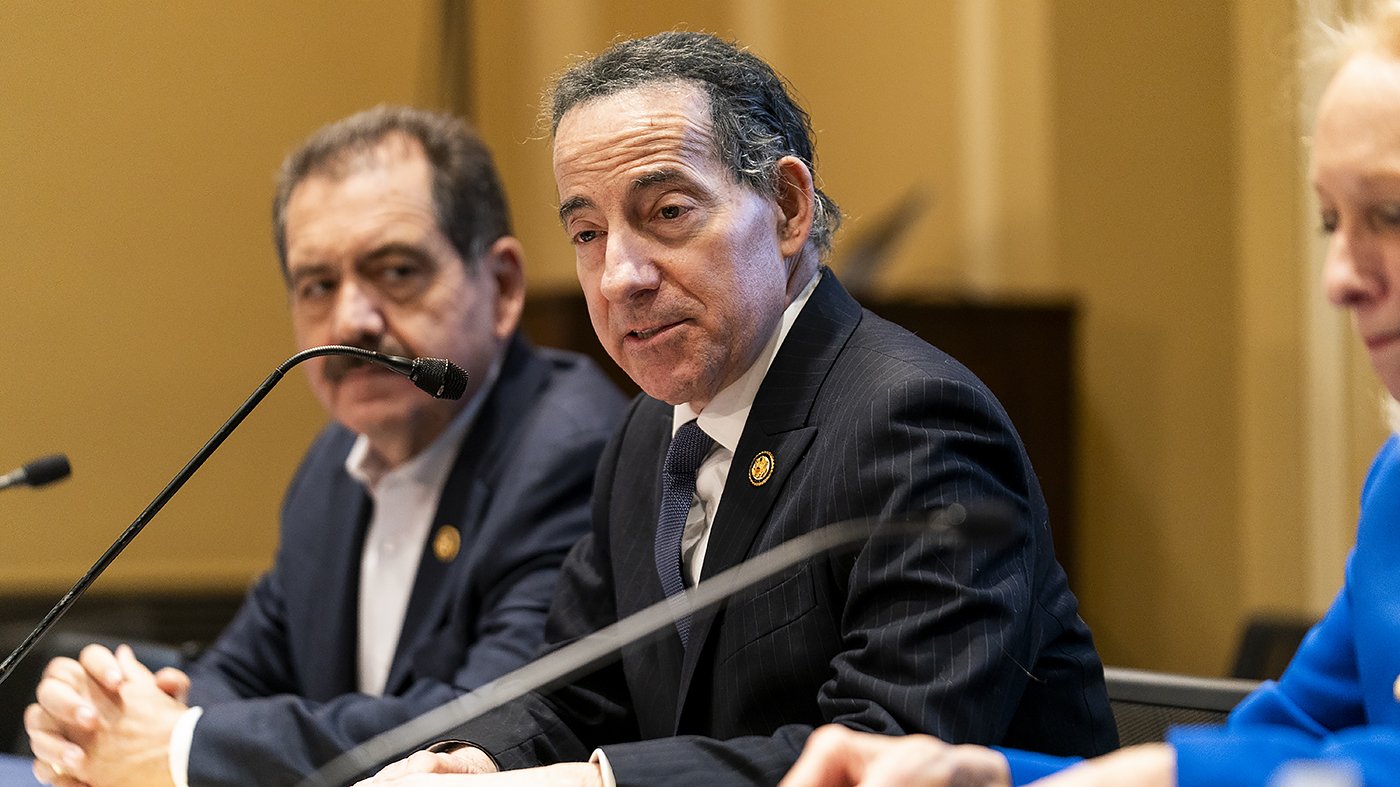
Ranking House Judiciary Committee member Rep. Jamie Raskin (D-Md.) spearheaded a formal request from committee Democrats on Tuesday, directing Patel to complete an alcohol disorders screening and submit the results to Congress. Raskin characterized the FBI director as "on the run" and framed the demand as a necessary accountability measure for an official he described as a political appointee unqualified for the role. This move follows similar demands from House Judiciary Democrats for records related to the allegations.
During a television interview, Raskin launched a broadside against Patel's tenure, accusing him of defending January 6 rioters, exhibiting anti-gay bias, conducting politically motivated personnel actions, and working to obscure the crimes of Jeffrey Epstein and Ghislaine Maxwell. Raskin further alleged Patel abused office privileges for personal travel. "People have understood he's got his personal issues, too," Raskin stated, arguing the director has prioritized everything except leading the FBI in the public interest.
Legal Retaliation and Denials
Patel responded aggressively to The Atlantic's reporting, filing a $250 million defamation lawsuit against the publication on Monday. At a press conference addressing a separate legal matter, Patel categorically denied the core allegations. "I've never been intoxicated on the job, and that is why we filed a $250 million defamation lawsuit," he told reporters, adding a challenge: "And any one of you that wants to participate, bring it on. I'll see you in court." The Atlantic has vowed to defend its reporting, stating it stands by the story and will fight the lawsuit.
The House Judiciary Committee's Republican leadership dismissed the allegations as a partisan attack. A spokesperson labeled them "another unserious effort from anonymous sources and partisan actors to attack the President and his Administration." This defense underscores the deeply polarized environment surrounding Patel, a Trump appointee whose tenure has been marked by controversy, including heated confrontations with the press.
Broader Political Context
Raskin placed the situation within a pattern of recent Trump administration upheaval, comparing Patel's precarious position to the ousters of former Attorney General Pam Bondi and former Homeland Security Secretary Kristi Noem. The allegations have prompted other prominent Democrats to voice severe criticisms; Senate Majority Leader Chuck Schumer has declared Patel a "grave risk," while Rep. Alexandria Ocasio-Cortez has labeled him a national security risk.
The unfolding scandal arrives amid other significant political shifts, including redistricting changes in Virginia that could alter the House landscape, and ongoing policy debates such as the future of the Iran nuclear deal. The direct challenge to a sitting FBI director's fitness, however, represents a unique crisis for the nation's premier law enforcement agency.
With a congressional deadline looming for the requested medical test results and a high-stakes defamation lawsuit underway, Patel's ability to lead the bureau is under unprecedented scrutiny. The outcome will test the limits of congressional oversight of political appointees and set a precedent for how allegations of personal misconduct against top security officials are handled.