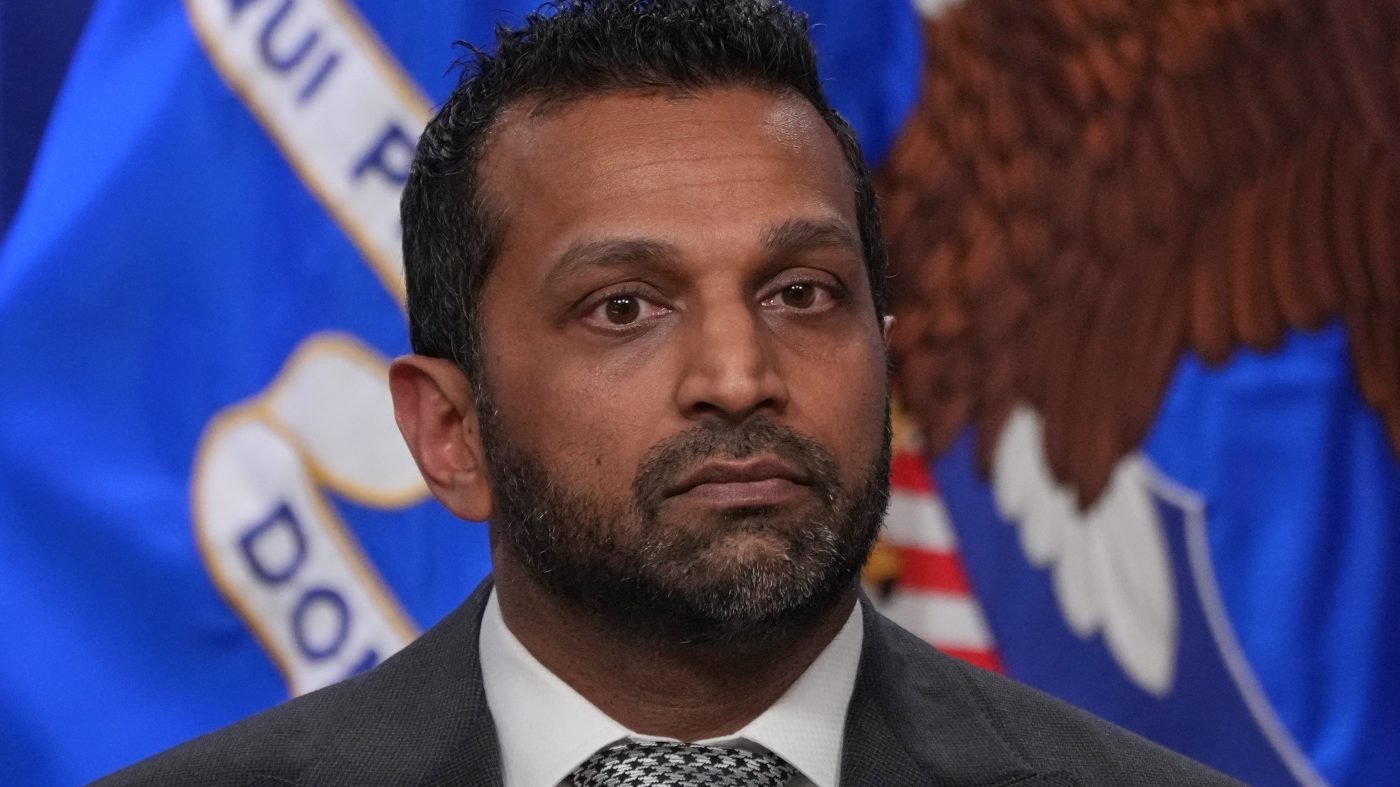
A federal judge in Texas has dismissed a defamation lawsuit filed by FBI Director Kash Patel against a former FBI official turned commentator, ruling that a provocative on-air statement about Patel's purported nightclub attendance constituted protected rhetorical hyperbole, not an actionable falsehood.
In a filing on Tuesday, U.S. District Judge George C. Hanks Jr. ruled that Patel "failed to allege a viable defamation claim" against Frank Figliuzzi, a columnist for the now-defunct outlet MS NOW. The case stemmed from a May 2025 appearance on MSNBC's "Morning Joe" during which Figliuzzi suggested Patel spent "far more" time in nightclubs than at the bureau's headquarters.

Judge Hanks determined the statement was not meant to be taken literally. "A person of reasonable intelligence and learning would not have taken his statement literally: that Dir. Patel has actually spent more hours physically in a nightclub than he has spent physically in his office building," Hanks wrote in the court order. He added that Figliuzzi delivered his answer "in an exaggerated, provocative and amusing way," employing a form of protected speech.
Patel had sued Figliuzzi last June, with his legal team arguing the commentator had "crossed the legal line by fabricating a specific lie" and knew "this was a lie" when he said it. The judge's dismissal represents a significant legal setback for the FBI director, who is facing mounting scrutiny over his conduct and management of the bureau.
This lawsuit is one facet of a broader wave of controversy surrounding Patel. Earlier this week, he filed a separate $250 million defamation suit against The Atlantic following a report titled "The FBI Director Is MIA." That article, citing over two dozen sources, alleged Patel was anxious about his job security and was difficult to contact after nights of heavy drinking.
The fallout from The Atlantic's reporting continues to intensify pressure on Patel. A government watchdog organization has formally requested records related to the director, and a group of House Judiciary Committee Democrats have pressed Patel to undergo testing for alcohol use disorder. These developments contribute to a precarious political environment for the FBI chief, who is also facing congressional scrutiny over a range of conduct allegations.
The dismissal of the Texas lawsuit hinges on a key distinction in defamation law: the difference between a statement of verifiable fact and protected opinion or hyperbole. By classifying Figliuzzi's remark as the latter, the judge shielded it from legal liability, emphasizing that robust and sometimes caustic commentary on public figures is afforded wide latitude under the First Amendment.
Patel's aggressive legal strategy against media critics appears undeterred by this loss. However, the ruling may set a precedent that complicates future defamation actions stemming from similarly colorful political rhetoric. The combined weight of the failed lawsuit, the active suit against The Atlantic, and the congressional and watchdog probes paints a portrait of an FBI director under sustained fire, with some Democratic lawmakers already predicting his eventual exit from the post.
The FBI did not immediately respond to a request for comment on the judge's decision. As the legal and political battles unfold, Patel's tenure is likely to remain a focal point of conflict between the Trump administration and its critics.