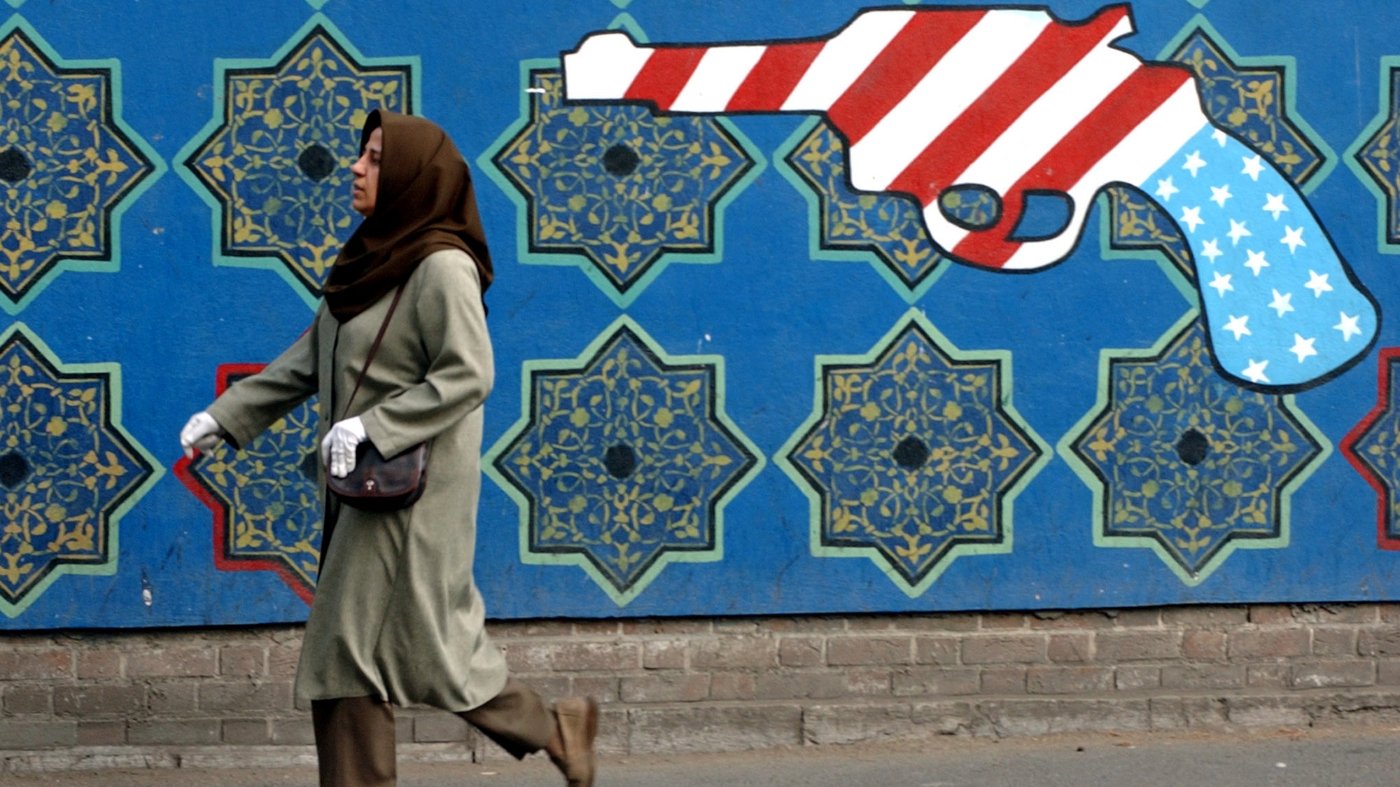
The U.S. State Department issued a stark warning Wednesday, urging American citizens in Iran to leave the country immediately despite a partial reopening of its airspace amid an ongoing ceasefire. The advisory from the Bureau of Consular Affairs emphasized that the Iranian government could block U.S. citizens from departing or impose substantial exit fees.
The alert detailed significant risks for Americans, particularly at unofficial checkpoints. "Iranian police and security personnel operate at roadside checkpoints in unmarked vehicles, placing U.S. citizens at significant risk of questioning, arrest, and detention," the bureau stated. It stressed that merely showing a U.S. passport or demonstrating ties to the United States could be grounds for detention by Iranian authorities.
For dual American-Iranian nationals, the situation is especially precarious. The bureau noted that Tehran does not recognize dual citizenship, treating these individuals solely as Iranian citizens and requiring them to use Iranian passports for departure. The advisory recommended that U.S. citizens without a valid passport apply for one at the nearest embassy or consulate only after exiting Iran.
With air travel uncertain, the State Department outlined land exit routes through neighboring countries. Americans can depart via Armenia, Azerbaijan, Turkey, and Turkmenistan, though each route carries specific requirements and dangers. Travel to Armenia is visa-free for up to 180 days, while Turkey permits a 90-day stay but has designated its border region with Iran as a "Do Not Travel" zone. Entry into Turkmenistan requires special government authorization, which the U.S. Embassy in Ashgabat can help facilitate.
The land borders with Azerbaijan remain closed to routine traffic, though Americans with an urgent need to leave can seek approval from Azerbaijani authorities, a process the bureau warned could involve extended wait times. For those unable to depart, the directive is to shelter in place. "Remain in your residence, hotel, or another structure, and stay away from windows," the advisory stated.
This urgent warning comes as President Trump announced an indefinite extension of the two-week ceasefire between the U.S. and Iran. "The ceasefire will hold until such time as their proposal is submitted, and discussions are concluded, one way or the other," Trump said Tuesday. He indicated that a second round of negotiations could occur in Islamabad, Pakistan, as soon as Friday. However, the U.S. military blockade in the strategically vital Strait of Hormuz remains fully enforced, with forces prepared to strike if necessary.
The prospect of continued talks faces political hurdles in Tehran. Iranian Parliament Speaker Mohammed Bagher Qalibaf publicly warned that the regime "will not be threatened into negotiating with the U.S.," casting doubt on whether an Iranian delegation will meet with American counterparts. This diplomatic stalemate occurs against a backdrop of significant domestic support for the ceasefire in the United States, even as original war objectives remain unfulfilled.
The State Department's stark advisory underscores the profound and persistent dangers for Americans in Iran, irrespective of the temporary halt in hostilities. It reflects a deep-seated mistrust between the two governments and highlights the complex challenges of protecting citizens amid high-stakes geopolitical maneuvering. The situation remains fluid, with the safety of U.S. nationals contingent on both the fragile ceasefire and the opaque decisions of Iranian security apparatus.