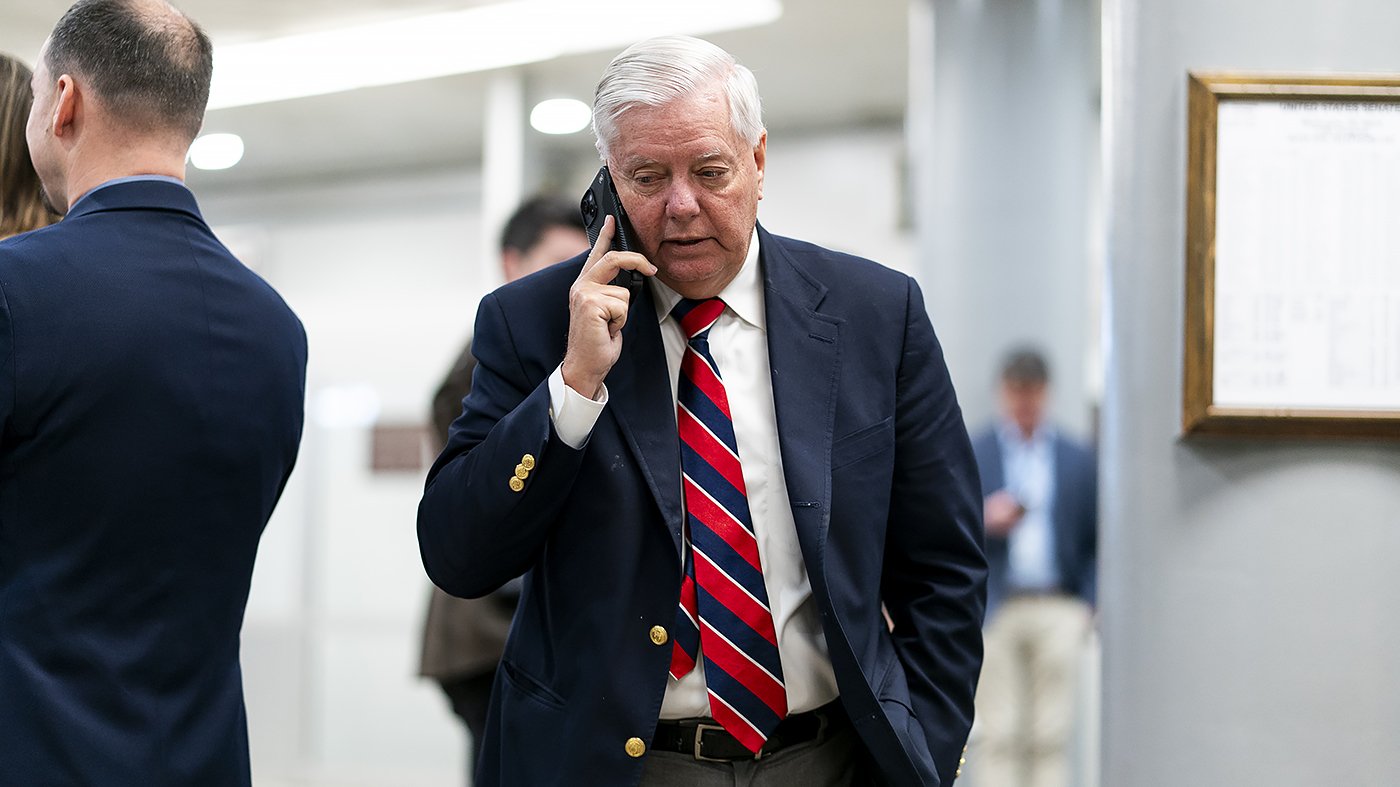
Senator Lindsey Graham, a key Republican ally of former President Donald Trump, has issued a stark warning that the United States intends to significantly expand its blockade of Iranian oil exports, with the potential to make it a global effort. The South Carolina senator stated the pressure campaign will continue until Tehran demonstrates a fundamental change in behavior.
"I not only expect this blockade to stay in place until Iran shows a commitment to change their ways, I expect the blockade will be growing and that it could become global soon," Graham wrote on the social media platform X. His comments followed what he described as "a very good call" with Trump and Secretary of Defense Pete Hegseth.
Direct Warning to Sanctions-Busting Nations
Graham's statement served as a direct threat to countries that have facilitated Iran's oil sales, specifically naming China, Russia, and India. These nations have allegedly utilized a shadow fleet of tankers to help Tehran circumvent international sanctions, providing the regime with critical revenue.
"To those assisting or thinking about assisting the Iranian regime in distributing its oil, which provides resources for terrorism, you do so at your own peril," Graham warned. This escalation comes amid broader economic pressures and political tensions linked to the administration's foreign policy.
Disputed Reports of Blockade Evasion
The senator's warning follows a report from maritime intelligence firm Lloyd's List, which claimed that 26 Iranian vessels successfully bypassed the U.S. naval blockade to export cargo globally. The Pentagon has forcefully denied these claims.
Pentagon spokesperson Sean Parnell labeled the report "false" and criticized the reaction from Senator Chris Murphy, a Connecticut Democrat. Murphy had responded to the Lloyd's List story with a single, sarcastic word on social media: "Awesome." Parnell called the Democrat's comment "shameful," highlighting the partisan divide over the administration's Iran strategy.
The dispute underscores the challenges in enforcing a comprehensive maritime blockade and the intelligence gaps that can lead to conflicting public narratives. This incident is part of a pattern of heightened rhetoric and confrontation surrounding the administration's Iran policy.
Broader Geopolitical Context
Graham's prediction of a "global" blockade suggests a more aggressive phase of economic warfare aimed at completely strangling Iran's primary source of income. Such a move would require unprecedented international cooperation or severe secondary sanctions against major economies, risking significant diplomatic and market disruptions.
The focus on Iran's energy sector occurs as global energy security dynamics are shifting due to regional conflicts. A successful, expanded blockade could have profound implications for global oil markets and intensify pressure on allied nations to choose between trade with Iran and access to the U.S. financial system.
This hardline stance from a prominent Trump ally signals the administration's continued prioritization of maximum pressure on Tehran, despite the complexities of enforcement and the potential for escalation. The policy also faces domestic political scrutiny, as evidenced by the sharp criticism from Democratic senators and ongoing debates over the administration's broader national security agenda.