President Clashes with Conservative Outlet Over Iran Policy
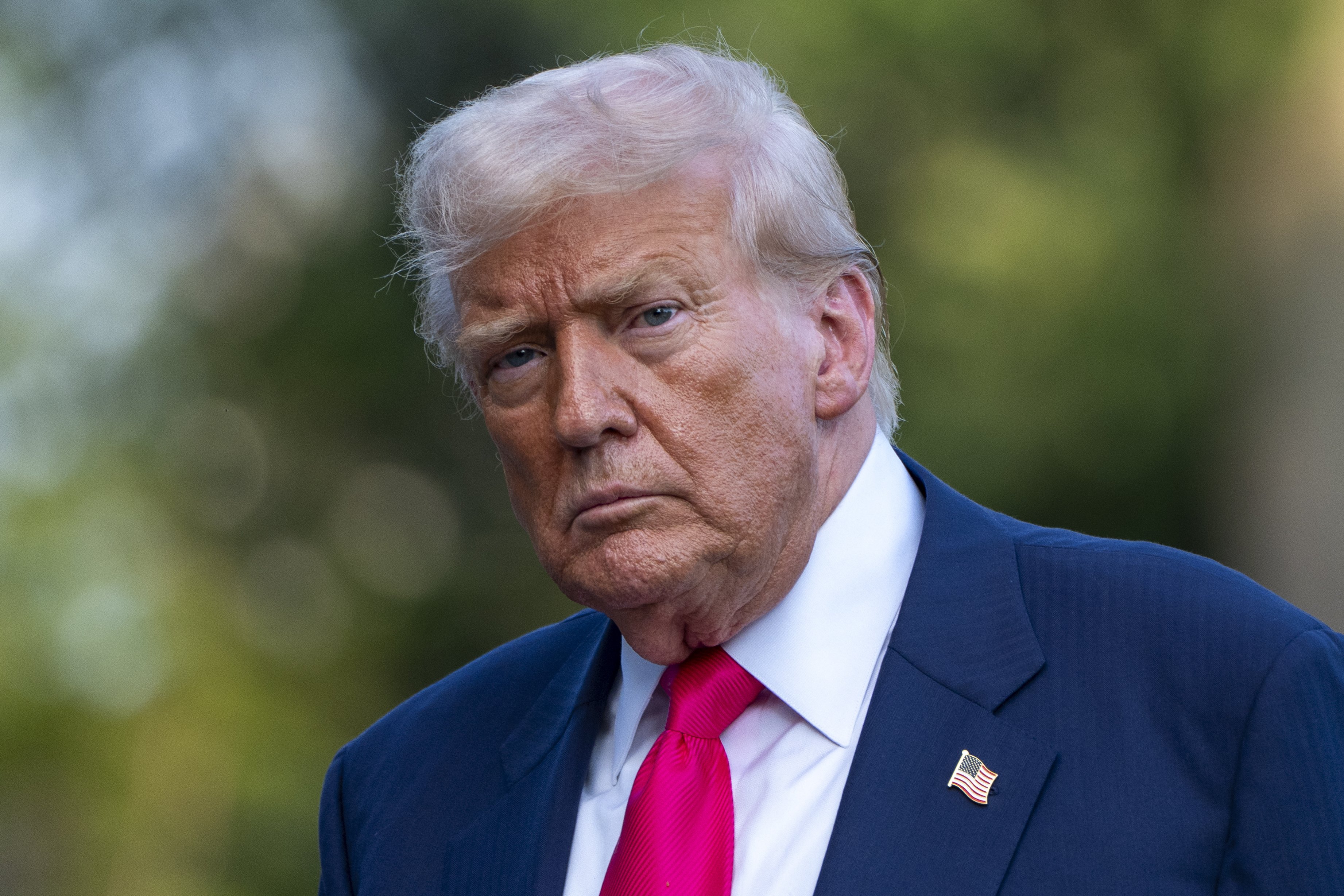
President Donald Trump issued a vehement rebuttal on Tuesday to a Wall Street Journal editorial that accused him of being outmaneuvered by Iran, particularly regarding the strategic Strait of Hormuz. The editorial, titled "The Iranians Take Trump for a Sucker," argued that Tehran has repeatedly extracted concessions without fully reopening the critical shipping lane.
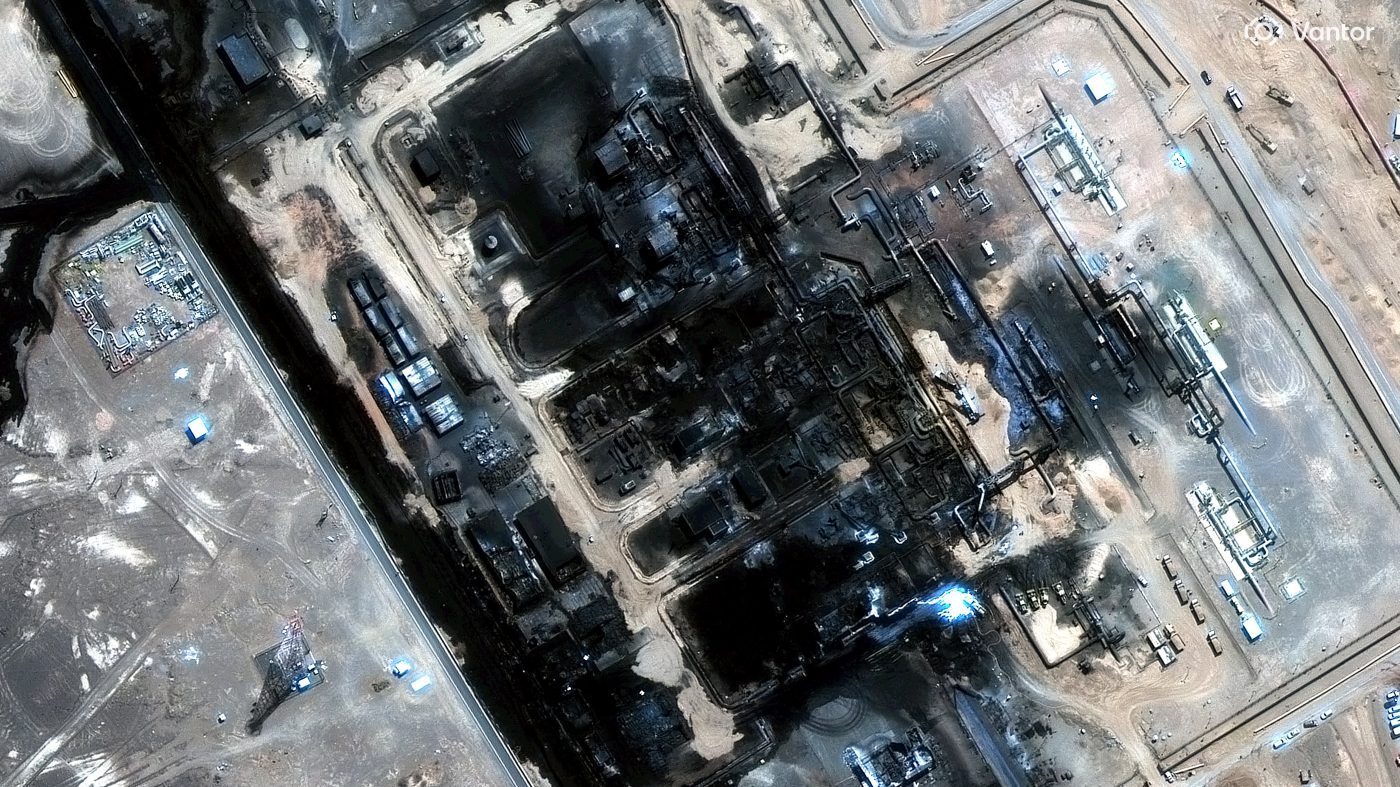
In a lengthy post on his Truth Social platform, Trump pushed back with a stark assessment of Iranian military capabilities. "Iran's entire Navy is at the bottom of the sea," he declared, adding that their Air Force is "gone" and their anti-aircraft and radar systems are "wiped out." He highlighted June strikes that he said "OBLITERATED" nuclear labs and storage areas, and celebrated the 2020 killing of General Qasem Soleimani, whom he called "their evil genius."
Dispute Centers on Control of Strategic Waterway
The core of the dispute revolves around control of the Strait of Hormuz, a chokepoint for roughly a fifth of the world's oil shipments. Trump asserted the strait is "totally controlled" by the U.S. under a naval blockade, with no ships permitted to reach Iranian ports. He claimed this blockade is costing Iran $500 million daily, creating an "Economic Catastrophe."
However, the Journal editorial, written by Middle East-focused editor Elliot Kaufman, contends the reality is different. Kaufman wrote that Trump has twice announced the strait's opening only to relinquish U.S. leverage, while Iran continues to restrict access. "The strait remains closed, as Iran's regime demands more," Kaufman argued, suggesting Tehran is using the closure to gain advantage in nuclear negotiations.
Trump personally attacked Kaufman, calling him an "idiot," and said the entire publication had "lost its way." This exchange marks the latest in months of escalating tensions between the Trump administration and the traditionally conservative editorial board, which has been critical of his foreign policy and handling of scandals.
Ceasefire Extended Amid Broader Criticism
Amid this war of words, the Trump administration on Tuesday extended its ceasefire with Iran indefinitely. This move comes as Vice President Vance postponed a planned trip to Islamabad for renewed peace talks. The decision has drawn fire from other quarters, including former National Security Advisor John Bolton, who called the original ceasefire a "mistake" that gave Tehran "enormous leverage" due to political fears.
Kaufman's editorial warned that Iran's tactics regarding the Strait of Hormuz could preview its approach to nuclear negotiations. "This will be the Iranians' third swindle—if Mr. Trump goes along," he wrote. "Certainly, they are comfortable embarrassing the president. What's stopping them from playing the same games over their stockpiles of enriched uranium?"
The situation continues to strain global energy markets and contributes to domestic political pressure on the administration. The ongoing conflict has been cited as a factor in Trump's declining economic approval ratings, as fuel price volatility persists. Meanwhile, Iranian forces have continued to harass commercial shipping in the region, with recent incidents detailed in our report on attacks following the ceasefire extension.
The confrontation underscores a deepening rift between Trump and establishment conservative voices on national security strategy, even as his administration faces broader internal challenges, including Democratic efforts to target key cabinet officials. With the ceasefire now open-ended and the stalemate over the Strait of Hormuz unresolved, the president's Iran policy remains a flashpoint for both international tension and domestic political criticism.