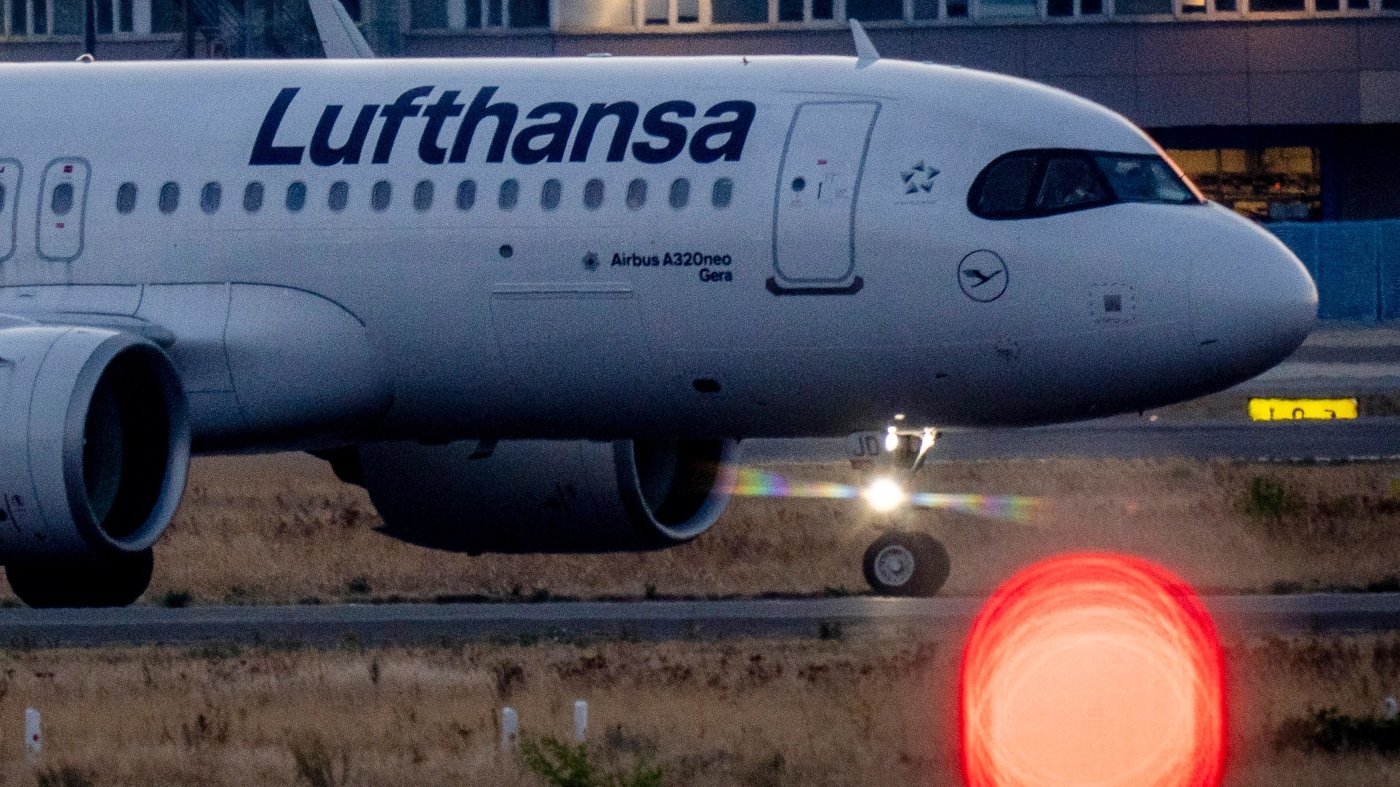
The Lufthansa Group announced Tuesday it will eliminate approximately 20,000 flights from its schedule between now and the end of October, a drastic measure driven by soaring jet fuel costs stemming from the ongoing conflict with Iran. The cuts will focus on what the airline described as "unprofitable short-haul flights" across its European network.
Strategic Cuts and Operational Shifts
According to the carrier, schedule changes through May have already been implemented, with affected passengers notified this week. Further adjustments for the period through October will be finalized and published in late April. The restructuring involves canceling specific routes from major hubs like Frankfurt and Munich while expanding operations from other bases, including Zurich, Vienna, and Brussels.
The airline stated its immediate fuel supply is "secured for the coming weeks," but the preemptive cuts are designed to conserve more than 40,000 metric tons of fuel. This move reflects a strategic pivot to preserve resources and maintain financial stability amid unprecedented market volatility.
Global Fuel Crisis Intensifies
The decision underscores a deepening crisis in global aviation fuel supply chains. A critical choke point is the Strait of Hormuz, a vital maritime passage for oil shipments that has seen significant disruption due to the Iran conflict. Since late February, benchmark jet fuel prices have skyrocketed by more than 85 percent.
The severity of the situation was highlighted last week by Fatih Birol, Executive Director of the International Energy Agency (IEA), who warned that Europe may have only "maybe six weeks of jet fuel left" in reserve. Birol predicted widespread flight cancellations could soon follow if the blockade persists, a forecast now materializing with Lufthansa's announcement.
Industry-Wide Contagion
Lufthansa is not alone in taking emergency measures. Across the Atlantic, major carriers are grappling with the same pressures. U.S. airlines have recently imposed steep baggage fee hikes to offset rising costs, while United Airlines has already announced schedule reductions. The industry's scramble mirrors broader political debates over federal support, reminiscent of discussions around a potential $500 million bailout for struggling Spirit Airlines.
In Europe, KLM Royal Dutch Airlines will cancel 160 flights, primarily to and from Amsterdam. Norse Atlantic Airways has axed all of its Los Angeles services. These parallel actions signal a coordinated, if reluctant, industry retreat from less profitable markets as operational costs become unsustainable.
Broader Political and Economic Implications
The aviation fuel shortage represents a tangible economic consequence of the Iran conflict, directly impacting global mobility and commerce. It also tests the resilience of national energy and transport policies. The crisis arrives as the aviation sector was already navigating a complex recovery and consolidation landscape, including proposed mergers like the one United CEO Scott Kirby reportedly pitched to the Trump administration.
For passengers, the immediate effect will be reduced options and higher costs, accelerating a trend toward premium travel as seen in Delta's strategic push to cater to wealthier travelers. For policymakers, the situation highlights the vulnerability of critical supply chains to geopolitical instability and may prompt renewed scrutiny of strategic fuel reserves and energy independence initiatives.
As airlines brace for a prolonged period of uncertainty, Lufthansa's massive schedule reduction serves as a stark indicator of how distant conflicts can swiftly reconfigure domestic and regional economies, forcing corporate giants into defensive, fuel-conserving postures.