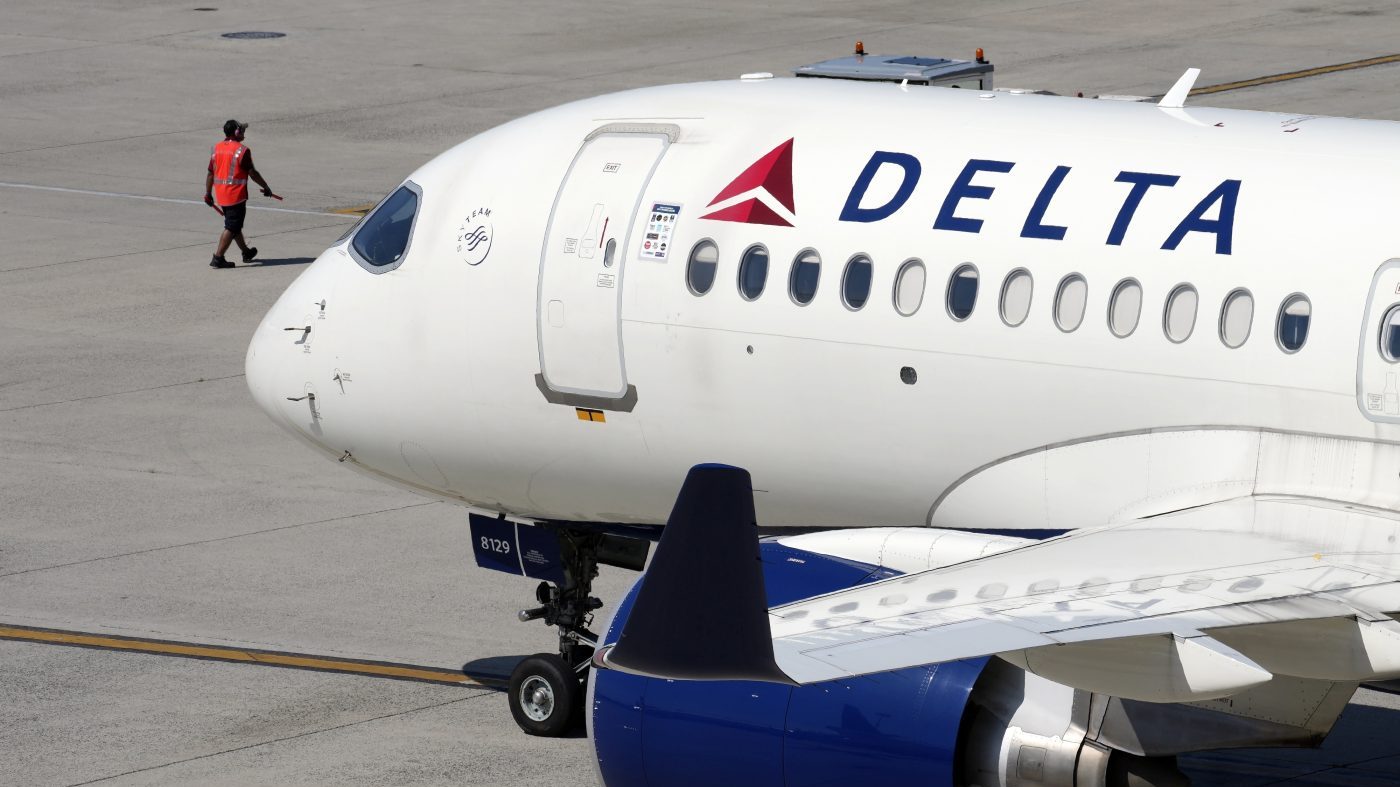
Delta Air Lines is making a definitive strategic bet on affluent travelers, announcing that half of the seats on its new long-haul Airbus A350-1000 aircraft will be reserved for premium cabins. The move underscores a fundamental shift across the airline industry, where major carriers are increasingly prioritizing high-margin, luxury travel over simply maximizing passenger volume.
Next-Generation Suites and a Premium-Heavy Cabin
The centerpiece of Delta's latest push is its redesigned Delta One suite, set to debut on the A350-1000s arriving in early 2027. The new cabins promise greater privacy, extended sleeping space, and what the airline calls a "cinema quality" 4K screen. This isn't a one-off upgrade; Delta is also retrofitting its existing A330 fleet with similar suite-style seats featuring privacy doors, aiming for 90% of its Delta One inventory to have doors by 2030.

The company's financial results validate the focus. Premium revenue surged 14% year-over-year in its latest earnings report. Delta CEO Ed Bastian explicitly linked this success to what economists term a "K-shaped" economic recovery, where higher-income consumers continue robust spending while others pull back. "We live at the top end of that K that people talk about, the premium end of the K," Bastian said in a recent interview. "Our consumer is really healthy."
An Industry-Wide Pivot
Delta is not alone in this luxury pivot. Rivals American Airlines and United Airlines are executing similar strategies. United recently reported that premium seating has increased 40% per North American departure since 2021 and has introduced tiered fare categories within its premium cabins to capture more revenue from this segment.
This collective shift comes as the industry grapples with significant external pressures, primarily soaring jet fuel costs driven by volatility from the conflict in the Middle East. In response, carriers have implemented broad-based fare increases and, notably, raised baggage fees for economy passengers. Premium travelers, however, have largely been insulated from these ancillary fee hikes.
Demand Divergence and Consumer Sentiment
The strategy hinges on a stark divergence in consumer behavior. On recent earnings calls, Bastian asserted that premium customers have become "more immune to the headlines" and are not "delaying their investment in the experience economy," even amid geopolitical turmoil. "As difficult as it is to see what's going on with the conflict in the Middle East, I'm not sure that our premium customers are feeling affected by that," he stated.
For the broader travel market, the picture is less certain. Data shows domestic and international airfares have risen since the onset of the war and remain higher than a year ago. A survey by The Points Guy and YouGov found a third of respondents are traveling less this year due to rising costs, with another quarter opting for cheaper or closer destinations. Yet, 31% said higher prices were not influencing their plans—a cohort airlines are aggressively targeting.
The financial gap between cabin classes is dramatic. A sample round-trip flight from Atlanta to Amsterdam illustrates the divide: a basic main cabin fare costs approximately $1,100, while the Premium Select seat on the same flight nears $3,400. A top-tier Delta One suite exceeds $8,500.
Investing Across the Cabin
While the premium focus is clear, Delta is also deploying incremental upgrades to its main cabins. These include an additional inch of legroom, larger seatback screens, and Bluetooth connectivity. This two-tiered investment approach—lavish overhauls for premium and modest improvements for economy—mirrors a broader corporate trend of segmenting services based on consumer spending power, similar to recent subscription price increases in the streaming sector that offer ad-free tiers at a premium.
The airline industry's calculated bet is that the spending power of its wealthiest customers will remain resilient, insulating a core revenue stream even as economic pressures mount for the average traveler. This business model, focusing on the top of the "K," is now a defining feature of the post-pandemic aviation landscape.