Major U.S. airlines are implementing significant increases to checked baggage fees, a direct response to a dramatic surge in jet fuel costs triggered by the ongoing conflict with Iran. The price hikes, which began rolling out this week, represent one of the most immediate ways carriers are attempting to offset a cost that constitutes nearly a third of their operating expenses.
Fee Increases Across the Board
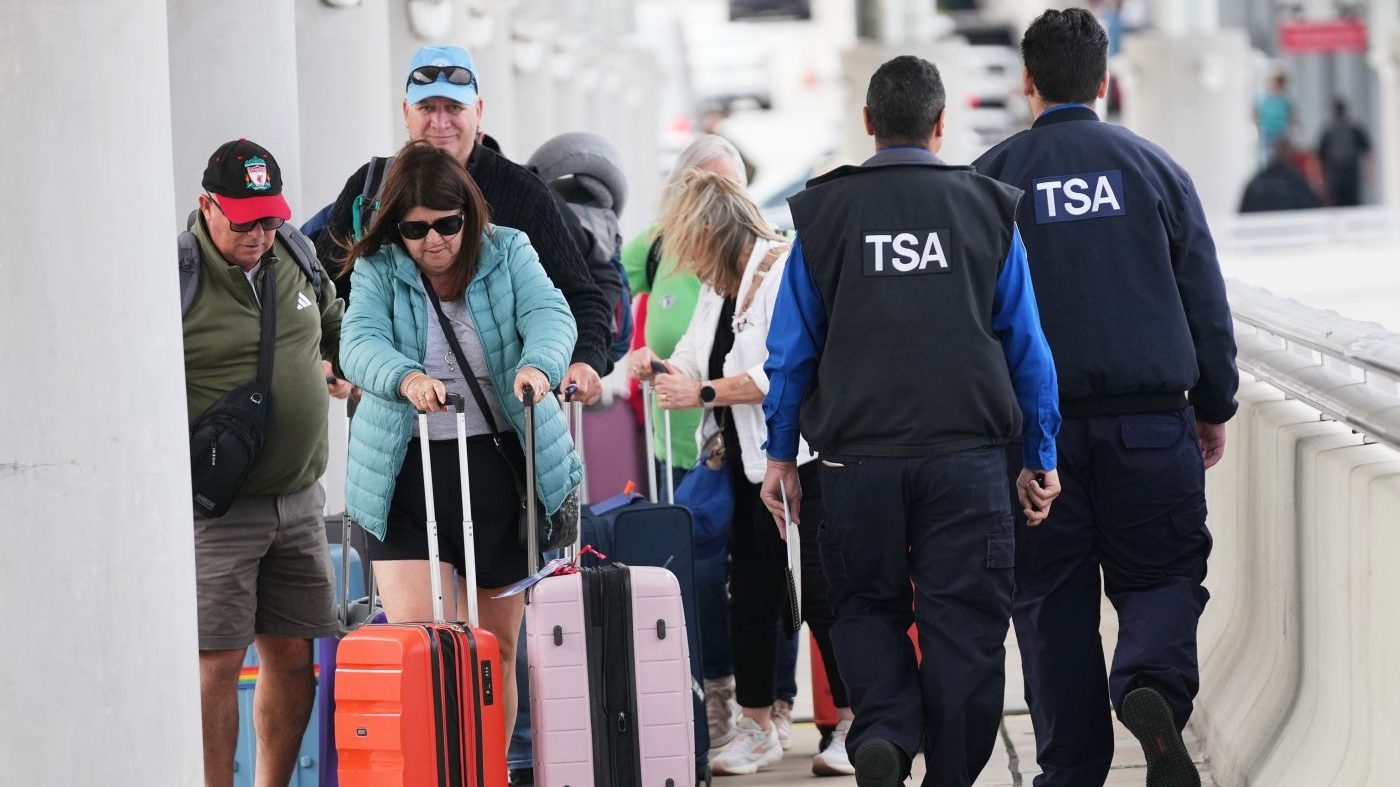
American Airlines became the latest carrier to announce adjustments, raising fees for first and second checked bags on domestic and short-haul international flights by $10 each. A third checked bag will now cost passengers an additional $50. These changes follow nearly identical moves by Delta Air Lines, United Airlines, and Southwest Airlines, which have all instituted $10 increases for first and second bags. JetBlue has also raised fees, though its structure varies by travel date, with increases ranging from $4 to $9.
The new standard rates now typically place a first checked bag at $45-$50 and a second at $55-$60, with third bag fees reaching $200 at several major carriers. Basic economy passengers often face even higher charges. Perks for premium cabin travelers, elite status members, and certain credit card holders have so far been preserved.
Fuel Prices Drive the Crisis
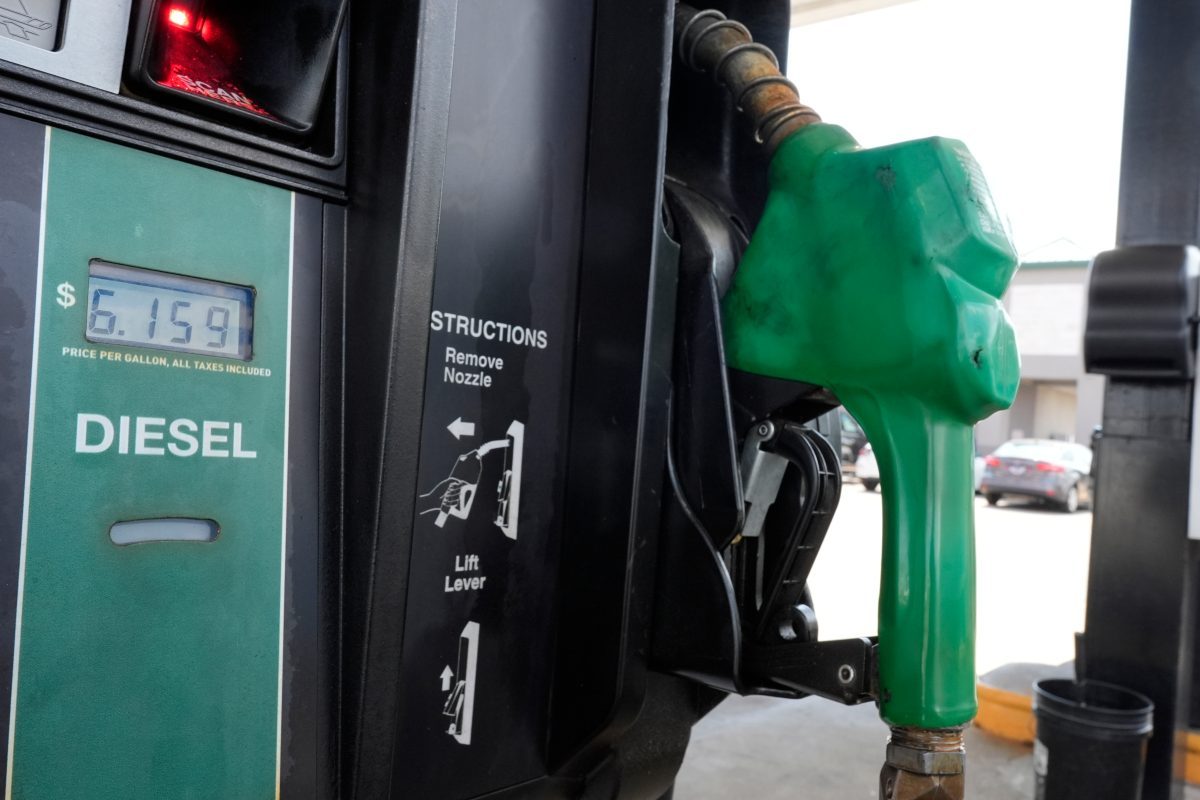
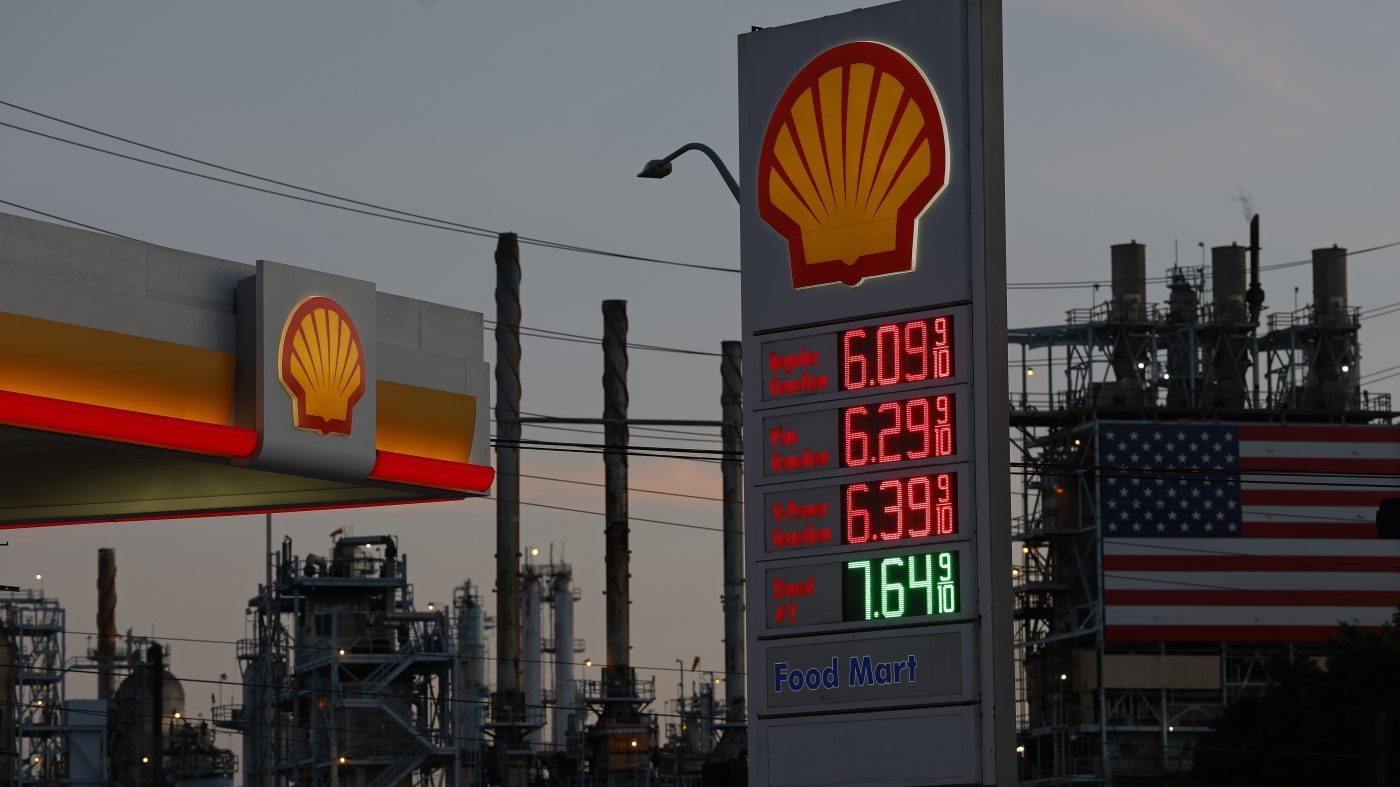
The primary catalyst for these changes is a historic spike in jet fuel prices. According to the International Air Transport Association, the cost per barrel has skyrocketed from approximately $99 in late February—when hostilities with Iran began—to an average of $209 last week. Data from the Argus U.S. jet fuel index shows the price per gallon has jumped from around $2.50 to $4.16. This volatility is a direct consequence of the Middle East conflict fueling instability in energy markets.
"The war in the Middle East has driven an unprecedented spike in jet fuel, with prices roughly double what they were earlier in the year," Delta CEO Ed Bastian stated during a recent earnings call. Analysts at Deutsche Bank, cited by CNBC, estimate that if these elevated fuel prices persist for a full year, airfares would need to rise by approximately $50 per one-way ticket, or about 17%, to compensate.
Capacity Cuts and Rising Airfares
The financial pressure is forcing airlines to reduce flight schedules. United Airlines CEO Scott Kirby announced the carrier is "tactically pruning" flights that are "temporarily unprofitable," cutting short-term capacity by about 5%. "There’s no point in burning cash in the near term on flying that just can’t absorb these fuel costs," Kirby wrote in a staff memo. Delta is also scaling back, trimming its planned summer capacity growth by 3.5%. Other international carriers, including SAS and Air New Zealand, are making similar cuts.
Concurrently, overall airfare is climbing. Data from travel search engine Kayak indicates the average domestic round-trip fare rose to $350 by March 30, up from $336 in late February. International fares saw a sharper increase, averaging $998, up from $774 over the same period. This broader trend of rising consumer travel costs mirrors pressures seen in other sectors, such as the surge in used vehicle prices driven by supply and demand imbalances.
Broader Economic and Policy Context
The airline industry's scramble highlights how geopolitical events can rapidly cascade through the global economy, affecting consumer prices and corporate strategy. The situation also unfolds against a complex domestic political backdrop, where lawmakers are grappling with other pressing issues, including funding debates for agencies like the Department of Homeland Security. Some states have taken independent action to provide consumer relief from energy costs; for instance, Indiana recently imposed a 30-day gas tax holiday.
For travelers, the advice from data analysts remains to book well in advance. Google Flights suggests the lowest prices for domestic flights are typically found 23 to 51 days before departure, while international flights are cheapest when booked 49 or more days out. With airlines signaling further adjustments are possible if fuel markets do not stabilize, passengers should expect continued volatility in both ticket prices and ancillary fees for the foreseeable future.