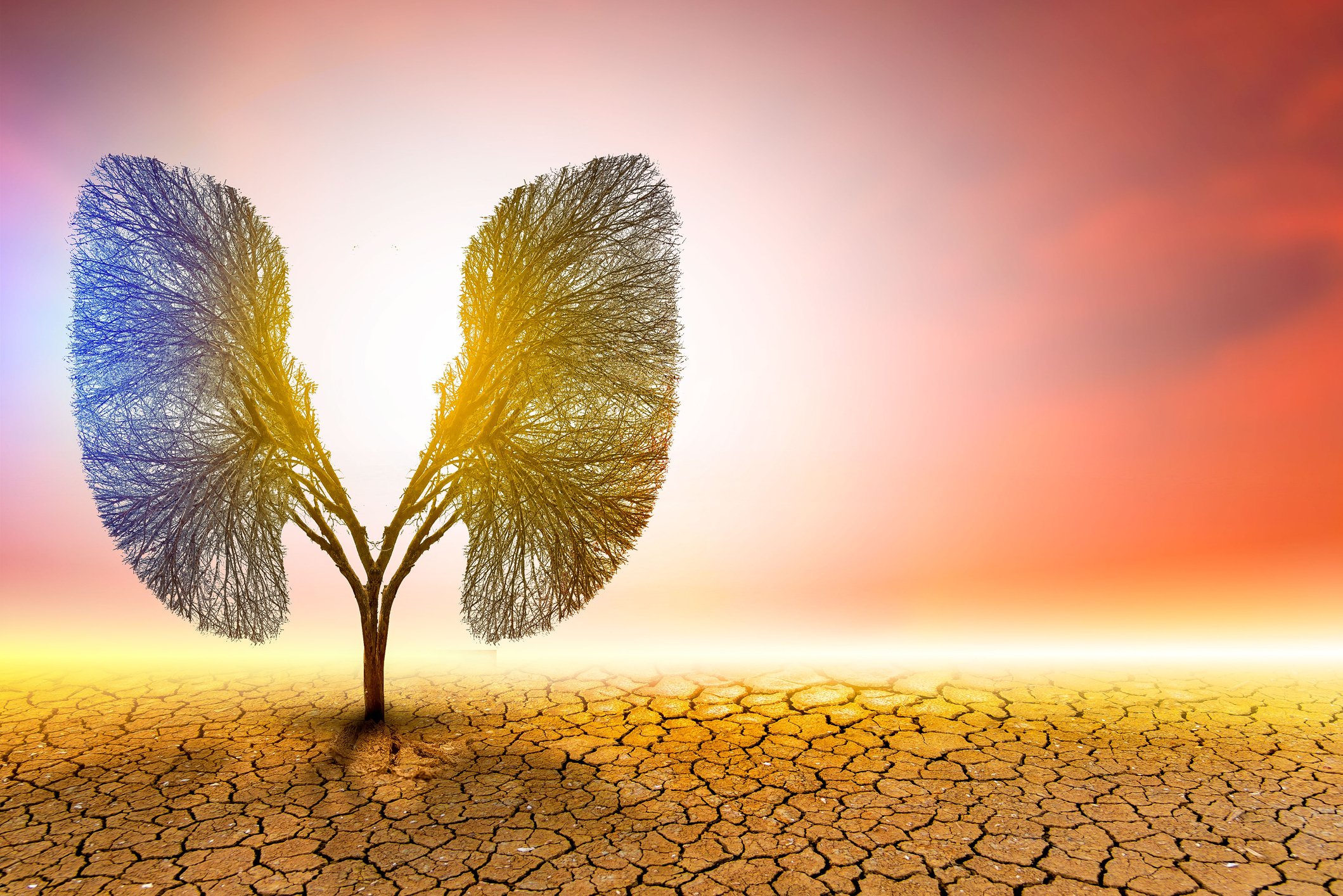
Three-quarters of American adults live with a chronic condition, and over half manage two or more, according to recent data. In my Chicago clinic, I treat patients battling diabetes alongside dementia, or asthma paired with hypertension and obesity. Chronic disease is the nation's leading killer, costing billions annually. Yet, most health outcomes are shaped outside exam rooms—by air quality, food access, and insurance coverage. I can prescribe medications and urge dietary changes, but if patients can't afford pills or find healthy food, those efforts fall flat. For an asthma patient, multiple inhalers offer little relief when outdoor air is toxic. Social and environmental factors often outweigh clinical care in determining chronic disease trajectories.
Climate Change as a Health Threat Multiplier
Climate change amplifies these risks. Anyone who has endured extreme heat, inhaled wildfire smoke, or watched allergies worsen year after year understands this. People with chronic illnesses are especially vulnerable. That's why the recent repeal of the EPA's 2009 endangerment finding—which declared six greenhouse gases a threat to public health—marks a dangerous step backward. The agency, defying decades of scientific consensus, essentially argued it has no role in protecting human health from what the World Health Organization calls "the single biggest threat facing humanity."

Following this repeal, we can expect chronic disease rates to climb as greenhouse gas emissions rise, fueling more frequent and intense heat waves and wildfires. Heat already kills more people globally than any other weather event. Patients with chronic conditions often struggle to regulate body temperature, raising their risk of heat stroke. Those with diabetes or heart disease may take medications that increase dehydration or electrolyte imbalances on hot days. Hotter weather also discourages physical activity: a recent Lancet study linked warmer temperatures to reduced exercise. With three-quarters of Americans already failing to meet recommended activity levels, rising heat will likely accelerate epidemics of diabetes, obesity, and heart disease.
Wildfire Smoke and Systemic Inflammation
More frequent wildfires, another consequence of unchecked emissions, trigger systemic inflammation that can cause heart attacks and strokes in vulnerable individuals. Smoke can travel thousands of miles, endangering patients with heart and lung conditions far from the flames. In 2023, Canadian wildfires drove a 17 percent spike in asthma-related emergency room visits across several U.S. states. While factors like healthcare access, genetics, and behavior also influence chronic disease risk, climate change acts as a "threat multiplier," worsening baseline risks and deepening inequities—especially for those already facing limited choices.
Fortunately, environmental and public health groups are challenging the repeal in court. These efforts can be supported through donations, public comments, and pressure on federal lawmakers. Some states and cities are also suing the EPA. Even if your state is among them, advocating for stricter local emissions rules or backing grassroots organizations can make a difference. As the Trump administration tightens Iran sanctions and targets currency exchange, domestic environmental protections face similar political headwinds.
Chronic diseases cause most sickness, disability, and death in the U.S., driving the majority of healthcare costs. Solving this crisis requires a coordinated, systemic response—including strong environmental protections and greater investment in the social and economic factors that most influence health. Repealing the endangerment finding moves in the exact opposite direction. If Americans don't push back, we will pay with our health and that of future generations.
Sheetal Khedkar Rao, MD, MS, is an internal medicine physician and assistant professor at the University of Illinois, Chicago, and co-founder of Nordson Green Earth Foundation.