Speaker Confronts Dual Legislative Crises
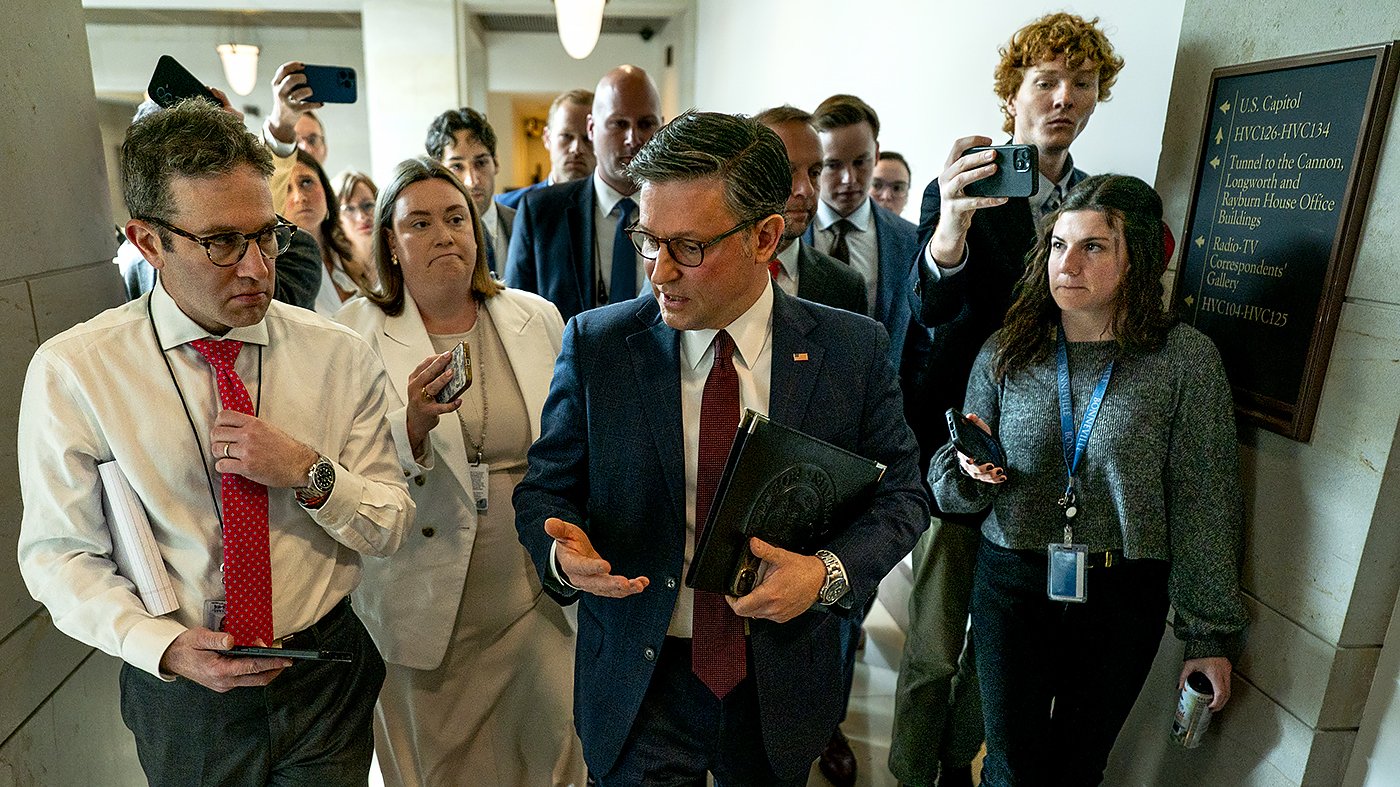
House Speaker Mike Johnson confronts a defining stretch of his tenure, navigating open rebellion within his Republican conference over two major legislative priorities. With a historically narrow majority, Johnson must secure passage of a clean reauthorization for key Foreign Intelligence Surveillance Act (FISA) powers and a complex plan to fund the Department of Homeland Security, all while managing deep internal divisions.
FISA Reauthorization Faces Conservative Revolt
The immediate hurdle is Section 702 of FISA, which permits surveillance of foreign nationals abroad and expires April 20. Johnson seeks a straightforward 18-month extension, but faces significant resistance from conservatives demanding reforms and the inclusion of unrelated measures. Representative Anna Paulina Luna is leading opposition, insisting the bill incorporate the Trump-endorsed SAVE America Act, which would mandate proof of citizenship for voter registration and voter ID requirements. Representative Tim Burchett echoed this stance, stating he will not support the bill "if the SAVE America Act is not in the mix."
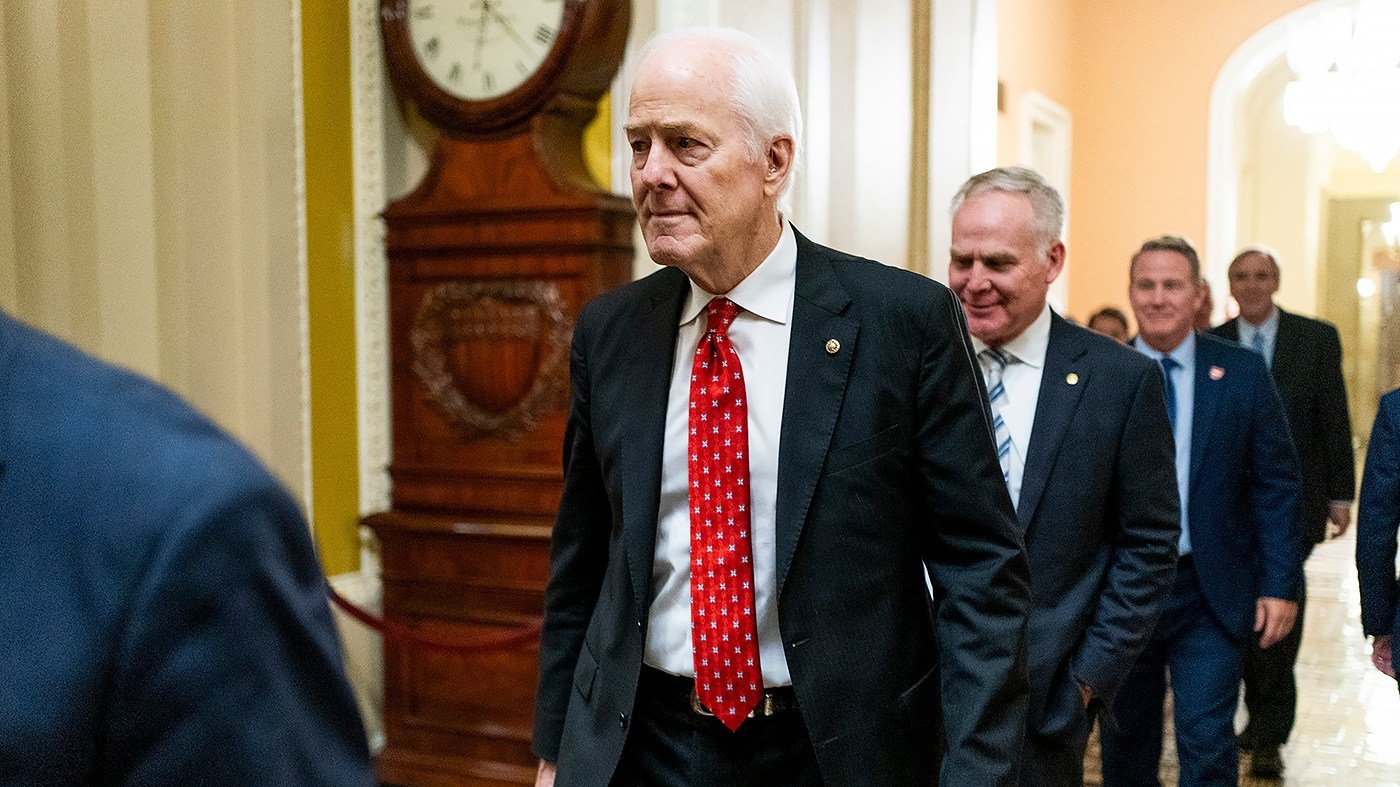
This opposition jeopardizes the standard legislative process. Johnson would need near-unanimous GOP support on a procedural rule vote. His alternative is to use a suspension of the rules, requiring a two-thirds majority and likely Democratic support—a move that could further anger his conference. While House Intelligence Committee ranking member Jim Himes has signaled potential Democratic backing for a clean authorization, Johnson already delayed the vote once due to uncertainty. The Speaker's predicament is compounded by the GOP's razor-thin majority, where a handful of defections can sink any party-line measure.
DHS Funding Strategy Sparks Fury
Simultaneously, Johnson faces intense backlash over a leadership-endorsed, two-step plan to end the record-long DHS shutdown. The strategy involves passing a bipartisan Senate bill to fund most of DHS, followed by using the budget reconciliation process—which bypasses the Senate filibuster—to fund Immigration and Customs Enforcement and Border Patrol for the remainder of the presidential term. Former President Trump endorsed this approach after Democrats refused to fund immigration enforcement without major reforms.
Many House Republicans expressed outrage, given Johnson had recently denounced the Senate bill as a "joke" and pushed a GOP stopgap. The abrupt shift caused what one member described as "whiplash." In a tense conference call, members like Representative Marlin Stutzman demanded "strong assurances" that the reconciliation step would actually occur before voting on the Senate deal. The House Freedom Caucus escalated demands, calling to fund the entire DHS through reconciliation. Representative Chip Roy emphasized the sequencing is critical, stating, "A lot of us are not going to be comfortable moving an appropriations bill that does not fund ICE and Border Patrol based on a bet."
Broader Political Peril
These legislative battles unfold against a backdrop of broader political challenges. Republican leaders anticipate potential GOP defections on a Democratic-led resolution to limit presidential war powers regarding Iran, reflecting bipartisan impatience with the conflict. With the midterm elections approaching, failure to govern effectively could exacerbate voter concerns. Johnson's task is a direct consequence of the party's slim margin, where every absence and defection carries monumental weight. As Burchett noted, "He's dealt these cards. He's sitting there with a one-person majority." The coming weeks will test whether Johnson can unify his fractured conference or be forced to repeatedly rely on Democratic votes, a scenario that would further erode his standing and highlight the GOP's internal disarray.