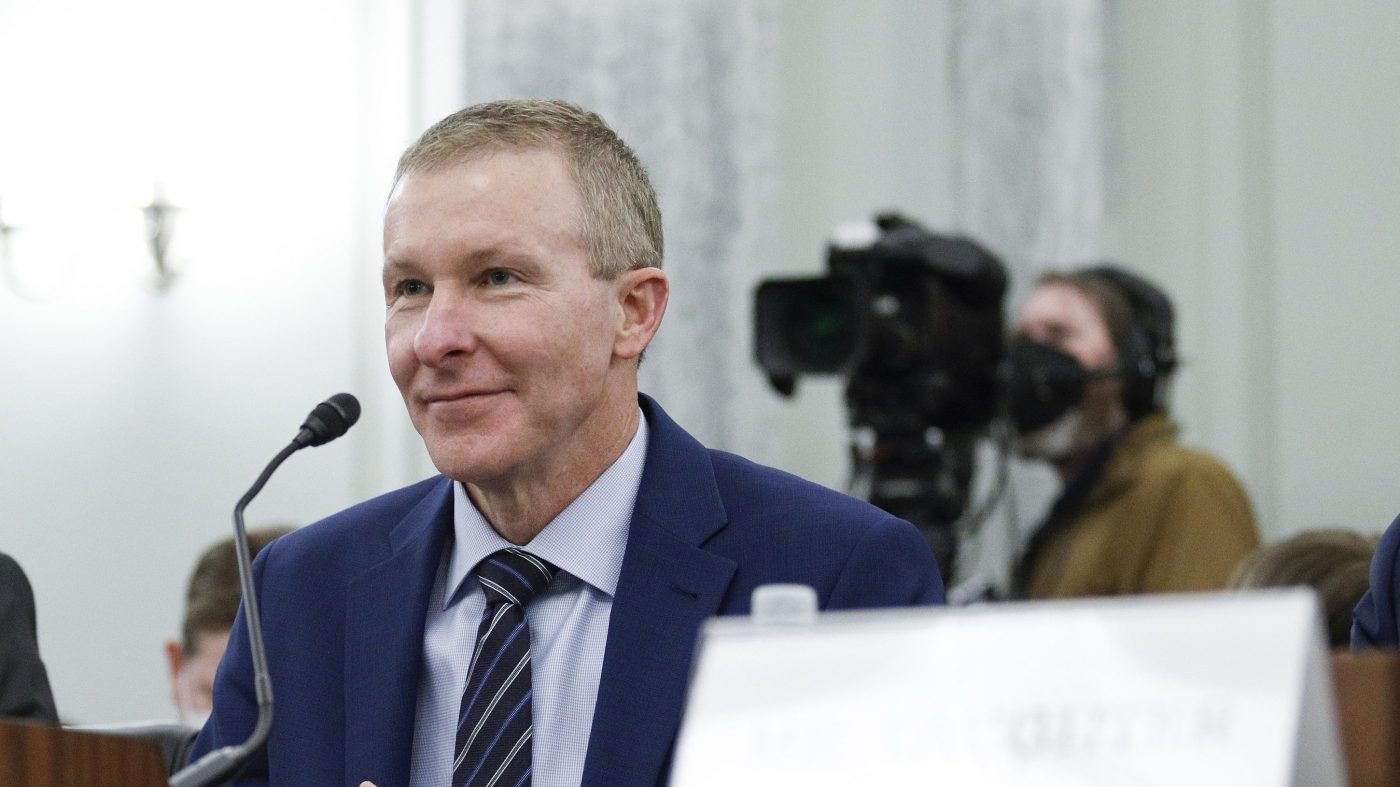
United Airlines Chief Executive Scott Kirby privately proposed a merger with rival American Airlines during a meeting with President Donald Trump at the White House in late February, according to a Reuters report published Monday. The discussion occurred toward the conclusion of a broader meeting focused on revitalizing Washington Dulles International Airport, where United commands a dominant 68.5% share of commercial passenger traffic.
A Consolidation Creating a Global Leader
The proposed merger would combine the first and third largest U.S. carriers by revenue passenger miles, instantly creating the world's largest airline. In 2023, United and American held those respective rankings, according to federal transportation data. The pitch comes as the Trump administration has shown a more permissive stance toward major corporate mergers compared to the prior Biden administration, particularly under the leadership of Federal Trade Commission Chair Andrew Ferguson.
Kirby, who previously served as president of American Airlines following its merger with US Airways in 2013 before joining United in 2016, made the proposal directly to the President. The White House meeting was ostensibly convened to discuss the future of Dulles airport, a hub where Transportation Secretary Sean Duffy launched a revitalization initiative last December.
Immediate Political and Antitrust Backlash
News of the proposal triggered swift condemnation from Democratic lawmakers and antitrust advocates. Senator Ruben Gallego (D-Ariz.) responded bluntly on social media, stating, "That's gonna be a no." Matt Stoller of the American Economic Liberties Project labeled such a merger "corporate crime" that is "now legal" under the current regulatory climate.
However, significant legal hurdles remain. Antitrust lawyer Seth Bloom told Reuters that regulatory approval for a United-American combination is unlikely. "The administration has said it really cares about the issues that affect the consumer's pocketbook, and this would give the airlines more pricing power," Bloom said, highlighting concerns that reduced competition would lead to higher fares for travelers.
Regulatory Climate Under Scrutiny
The proposal tests the boundaries of the Trump administration's approach to antitrust enforcement, which has shifted notably from the aggressive posture of former FTC Chair Lina Khan. This comes amid other contentious administration actions, such as a drafted order requiring banks to collect citizenship data and ongoing debates over foreign policy rhetoric that risks global stability.
The airline industry is already undergoing strategic shifts, with carriers like Delta focusing on premium services for wealthy travelers, widening the economic divide in air travel. A merger of this scale would dramatically reshape the competitive landscape, potentially reducing the number of major U.S. network carriers to three.
Broader Political Context
The report emerges within a politically volatile period for the Trump administration, which has recently faced criticism on multiple fronts, including diplomatic spats prompting unusual commentary from political rivals. The administration's handling of major corporate mergers will be closely watched as an indicator of its economic policy priorities.
The White House, United Airlines, and American Airlines did not immediately respond to requests for comment on the reported merger pitch. The prospect of creating a single aviation behemoth will likely fuel further debate over market concentration, consumer protection, and the balance between corporate growth and competitive markets in the Trump era.