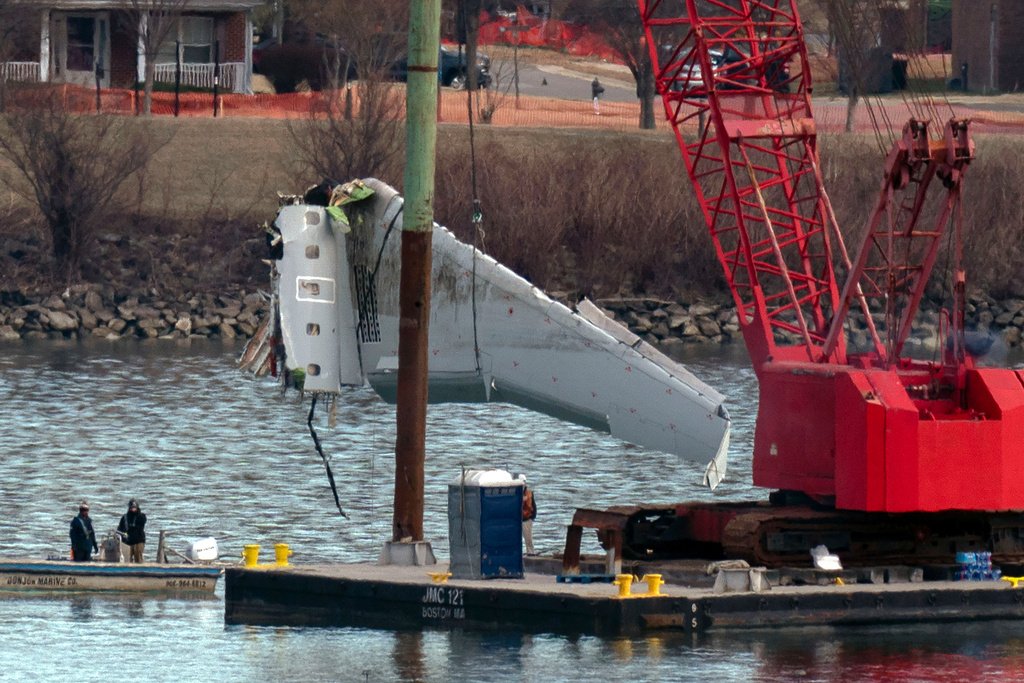
In a scathing rebuke, Senator Tammy Duckworth (D-IL) has accused the Federal Aviation Administration of fatal negligence after a National Transportation Safety Board report revealed the agency ignored prior safety recommendations, directly contributing to the Jan. 29, 2025, midair collision over the Potomac River that killed 67 people. The crash, involving a U.S. Army Blackhawk helicopter and American Airlines Flight 5342, was entirely preventable, Duckworth argued, calling the FAA’s continued inaction a “travesty.”
NTSB Findings: A Pattern of Neglect
The NTSB’s final report, released after a year-long investigation, left no ambiguity: the FAA’s failure to act on longstanding safety warnings created the conditions for the disaster. The board issued 50 recommendations, with over 30 directed squarely at the agency. Among the key issues identified were chronic air traffic controller shortages, the absence of advanced collision-avoidance technology on aircraft, and a breakdown in coordination between the FAA and the Department of Defense—problems Duckworth noted have been flagged for years.
Bedford’s Capitol Hill Testimony Draws Fire
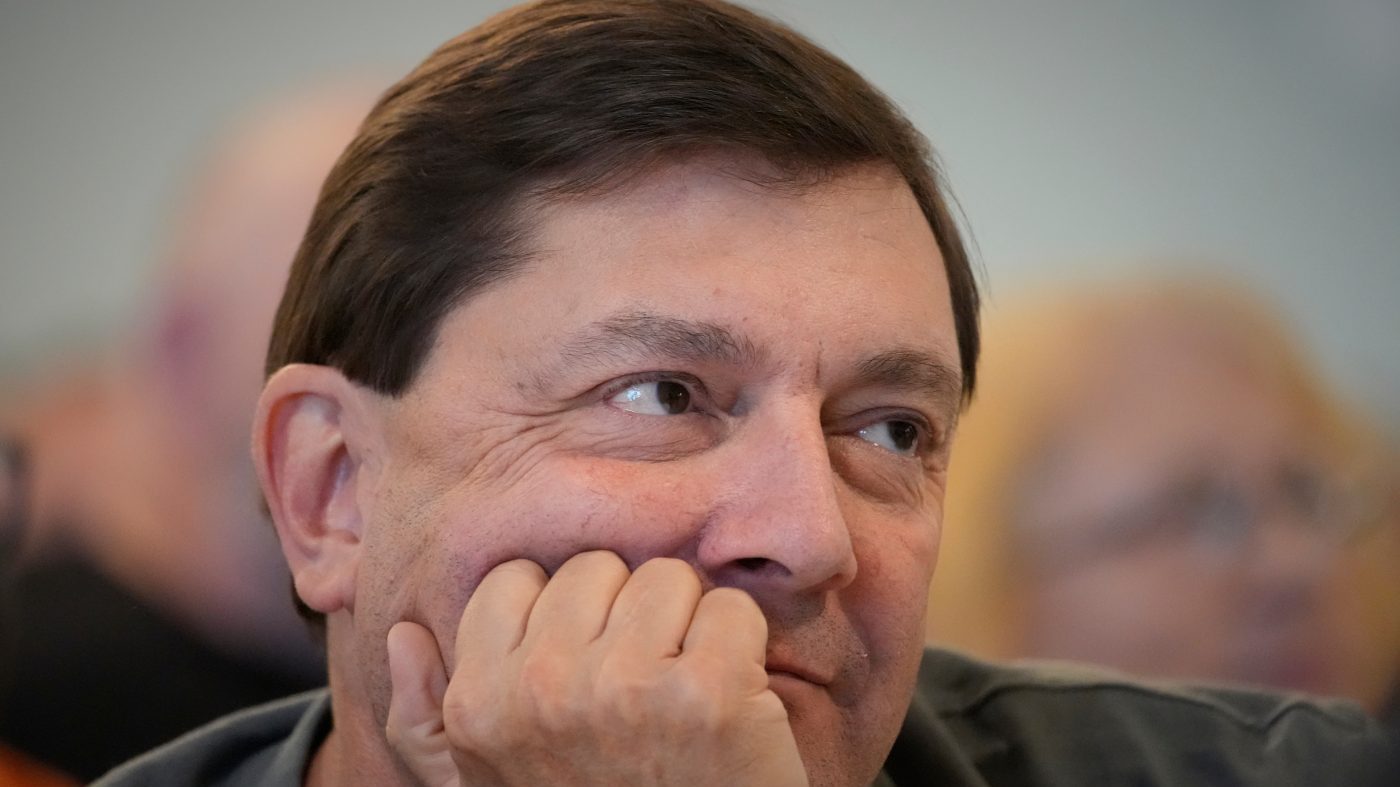
During a recent congressional hearing, FAA Administrator Bryan Bedford touted progress but refused to commit to implementing all NTSB recommendations. Duckworth, ranking member of the Commerce Subcommittee on Aviation Safety, described this as “disconcerting and disgraceful.” She argued the agency already has the authority and responsibility to act, and that Bedford’s evasiveness signals a lack of resolve. “The FAA does not need more time. It needs resolve. It needs leadership,” she said.
Duckworth pointed to her own efforts to bolster aviation safety, including a six-fold increase in workforce development funding in the 2024 FAA Reauthorization Act and defending the 1,500-hour pilot training rule—a standard born from the 2009 Colgan Air crash. Yet, she acknowledged these measures were insufficient to prevent the latest tragedy. “The alarm bells were ringing,” she said, “and the urgent message went unanswered.”
Political Fallout and Broader Implications
The collision has reignited debates over aviation oversight and military-civilian airspace management. With tensions high over national security and public safety, Duckworth’s criticism aligns with broader concerns about regulatory capture and bureaucratic inertia. The FAA’s failure echoes other recent lapses, such as the Trump administration’s prioritization of border security over Ebola preparedness, as experts warn of a dangerous isolationist shift in federal priorities.
The NTSB recommendations, if fully enacted, could reshape air traffic control protocols, mandate real-time collision alerts, and tighten joint operations with the Pentagon. However, Duckworth warned that piecemeal action would be unacceptable. “We cannot accept an FAA that procrastinates until tragedy strikes again,” she said.
What Comes Next
Duckworth is demanding a binding commitment from Bedford to implement all NTSB recommendations with fidelity. She framed the issue as a moral imperative: “We owe it to the victims. We owe it to every pilot, every controller, every military crew member, and every passenger who boards an aircraft expecting the FAA to keep our airspace safe.” The senator’s call comes amid a broader push for accountability in federal agencies, with critics pointing to the recent White House shootout as another example of security failures.
As the one-year anniversary of the crash passes, the FAA faces mounting pressure to act. Duckworth’s message is clear: the agency must prioritize saving lives over saving face, or risk another catastrophe. “Sixty-seven people died because the FAA failed to act,” she concluded. “It cannot undo that tragedy, but it can, at long last, do its part to prevent the next one.”