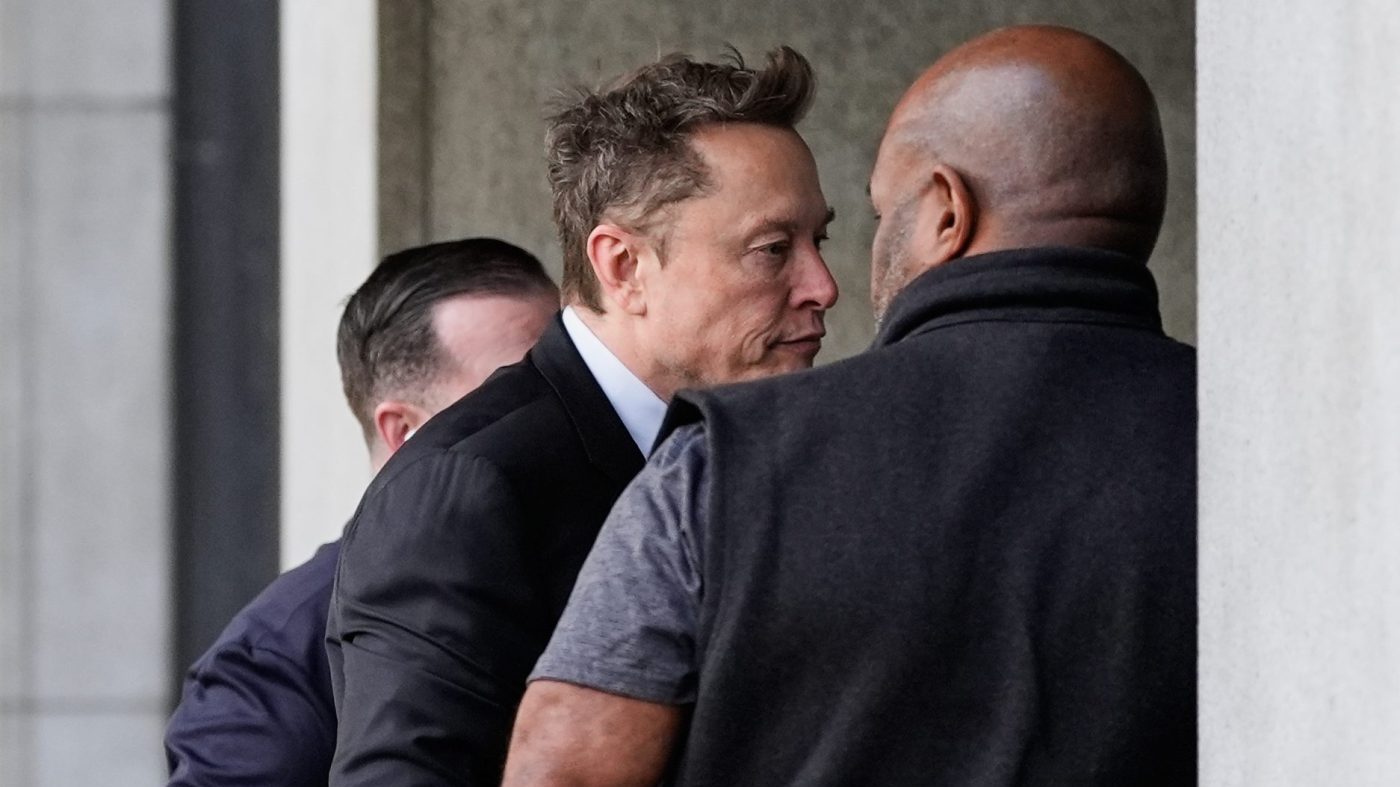
The Securities and Exchange Commission on Monday pushed back against judicial skepticism over its settlement with Elon Musk, arguing the $1.5 million penalty for the billionaire's failure to promptly disclose his growing stake in Twitter—now rebranded as X—represents a hard-fought compromise and a record fine for this type of securities violation.
In a filing submitted to U.S. District Judge Sparkle Sooknanan, the agency detailed that the agreement emerged from nearly a year of intense negotiations, with both sides litigating aggressively. The SEC characterized the settlement as reflecting “compromises by all parties,” and emphasized that the $1.5 million penalty is the largest it has ever secured in a case involving delayed beneficial ownership disclosures under Section 13(d) of the Securities Exchange Act.
The judge had raised pointed questions about why the settlement only named Musk's trust as the respondent, rather than Musk himself—the central figure in the SEC's January 2025 lawsuit. The agency explained that the trust held the Twitter shares at issue and was subject to the same disclosure obligations as Musk personally. The SEC added that limiting liability to the trust was “a request by Musk and a compromise by the SEC,” but defended it as consistent with enforcement priorities and legal standards.
Musk began accumulating Twitter stock in early 2022, crossing the 5 percent ownership threshold that triggers mandatory public disclosure within ten days. Instead of reporting his stake, Musk continued buying shares, only revealing his position in early April 2022 when it had reached 9 percent. The SEC alleged this delay allowed Musk to underpay for his shares by more than $150 million, effectively profiting from the information asymmetry.
The case is the culmination of a yearslong SEC investigation that devolved into a bitter legal standoff after Musk refused to sit for a second deposition. The agency ultimately filed suit in January 2025, seeking to hold Musk accountable for what it called a clear violation designed to keep his accumulation hidden from other investors.
Musk eventually acquired Twitter outright for $44 billion in October 2022, but the disclosure delay has remained a regulatory flashpoint. The settlement, announced in May, was intended to resolve the matter without a trial, but the judge's scrutiny has now placed the SEC on the defensive.
Legal experts note that the SEC's emphasis on the record penalty may be an attempt to preempt criticism that the fine is trivial for a man of Musk's wealth—estimated at over $200 billion. Critics have long argued that the SEC's enforcement actions against high-profile figures often result in penalties that function as a minor cost of doing business rather than a meaningful deterrent.
The case also highlights broader tensions between the SEC and Musk, who has frequently sparred with regulators over disclosure rules and his use of social media. The agency has previously fined Musk $40 million for misleading tweets about taking Tesla private, a settlement that similarly drew questions about adequacy.
Judge Sooknanan has not yet ruled on whether to approve the settlement. Her questions suggest she may demand further justification before signing off, potentially forcing the SEC to reveal more about its negotiating posture and the rationale for excluding Musk personally.
The outcome could have ripple effects for future enforcement actions, particularly those involving wealthy defendants who can afford to litigate aggressively. If the judge rejects or modifies the settlement, it would mark a rare judicial rebuke of the SEC's exercise of prosecutorial discretion.