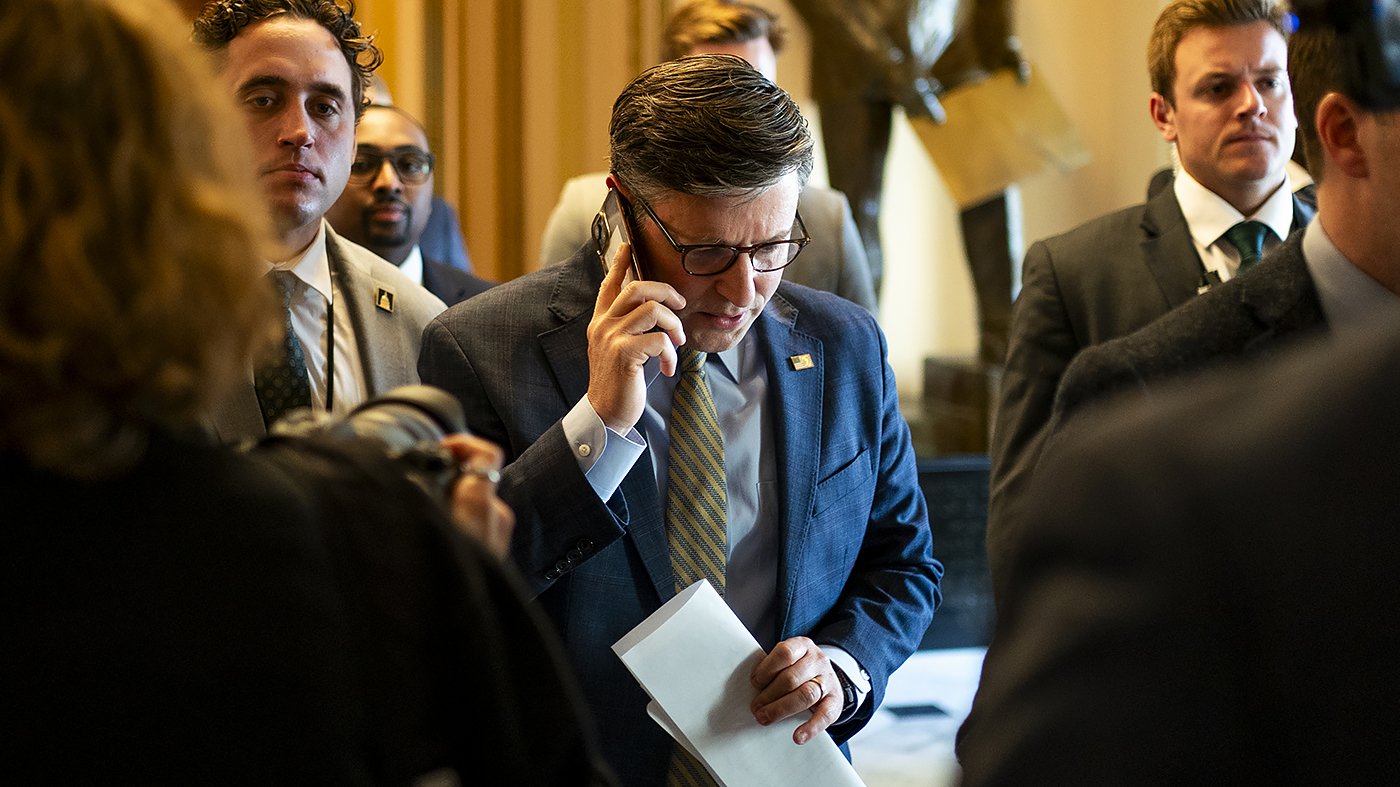
Speaker Confronts Converging Crises as May 1 Deadline Looms
House Speaker Mike Johnson is navigating a perilous political landscape as multiple legislative and internal party crises converge in the final days of April. The Louisiana Republican must broker deals to reauthorize critical surveillance authority, fund the Department of Homeland Security, and address the legal status of military action against Iran, all while managing escalating demands from within his own conference to expel a fellow Republican facing serious allegations.
FISA Reauthorization Stalls Amid Conservative Revolt
The most immediate challenge is the renewal of Section 702 of the Foreign Intelligence Surveillance Act (FISA), which permits warrantless surveillance of foreign targets abroad. The provision is set to expire on April 30 after a short-term extension was passed last week. Johnson's attempt to secure a longer-term reauthorization has fractured the GOP, with members of the House Freedom Caucus demanding significant reforms, including a warrant requirement before U.S. citizen data collected under the program can be accessed.
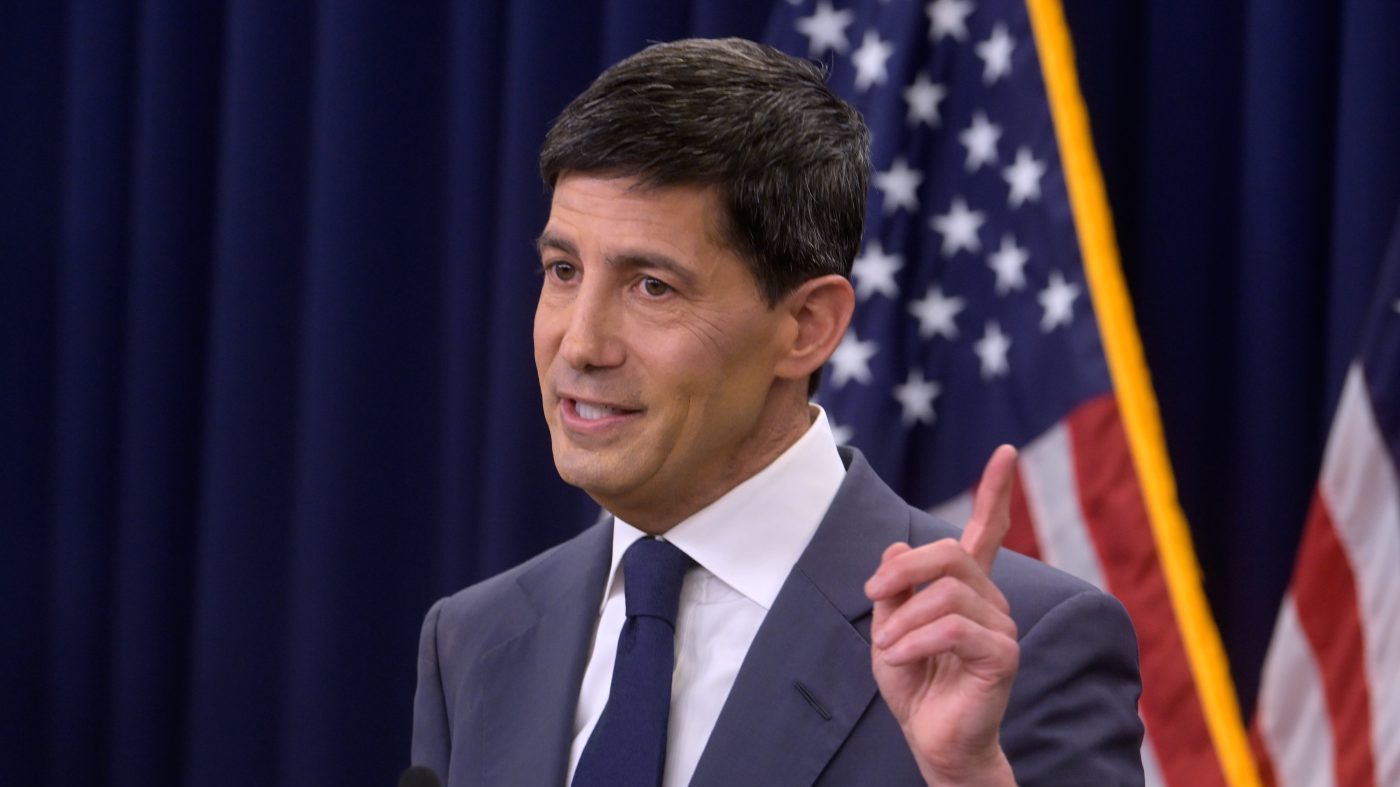
"FISA was designed for foreign intelligence, not domestic spying on Americans. A warrant requirement is the absolute minimum safeguard for constitutional rights," stated Representative Eric Burlison, a Missouri Republican and Freedom Caucus member, echoing a sentiment shared by privacy-minded conservatives. Speaker Johnson has publicly downplayed the conflict, characterizing it as a debate over "nuances with the language" and vowing to reach an agreement before the deadline. However, securing the near-unanimous Republican support needed for a procedural vote remains a formidable hurdle, as demonstrated by at least a dozen GOP defections during recent test votes.
Expulsion Push Threatens Razor-Thin Majority
Simultaneously, Johnson is under mounting pressure to address the fate of Representative Cory Mills, a Florida Republican under investigation by the House Ethics Committee for alleged campaign finance violations and sexual misconduct. Some Republicans, including Representative Nancy Mace of South Carolina, are demanding immediate expulsion, while Johnson has maintained the committee should complete its probe first. The situation mirrors a broader dual expulsion crisis in the House, involving a Florida Democrat under federal indictment.
Mace has publicly challenged Johnson's stance, asking on social media, "Mr. Speaker... why are we continuing to protect this monster?" The political calculus is delicate; expelling Mills would further erode the GOP's narrow majority, complicating all other legislative efforts. Reports suggest Mills is considering a retaliatory expulsion effort against Mace, who is herself under an Ethics Committee investigation, threatening a cycle of internal reprisals.
Iran War Powers Deadline Adds Foreign Policy Pressure
Compounding the domestic agenda is a fast-approaching constitutional deadline related to the conflict with Iran. The 60-day clock for unilateral presidential military action under the War Powers Resolution is set to expire on April 29. While Republican allies have so far blocked Democratic efforts to force a withdrawal, some GOP members have signaled they will support requiring congressional authorization once the deadline passes. This shift underscores the growing unease within the party as the engagement approaches its two-month mark without explicit congressional approval.
GOP Unity Tested Ahead of Elections
Each of these issues—FISA, expulsions, and war powers—has exposed deep divisions within the Republican conference. Johnson's task is to thread a political needle that satisfies the party's hardline base while advancing must-pass legislation, a balancing act made more urgent by the approaching November elections. The outcome of this week's negotiations will signal whether the GOP can present a unified front or if internal fractures will paralyze its agenda. The Speaker's handling of these concurrent fights, including the parallel effort to end the DHS shutdown via a slim reconciliation bill, will be a defining test of his leadership and the party's cohesion.