The Senate is poised to take a crucial vote this week on a budget resolution for a second reconciliation package, a procedural step aimed at ending the protracted Department of Homeland Security shutdown. The core of the proposed "skinny" bill focuses on funding for Immigration and Customs Enforcement and Border Patrol operations.
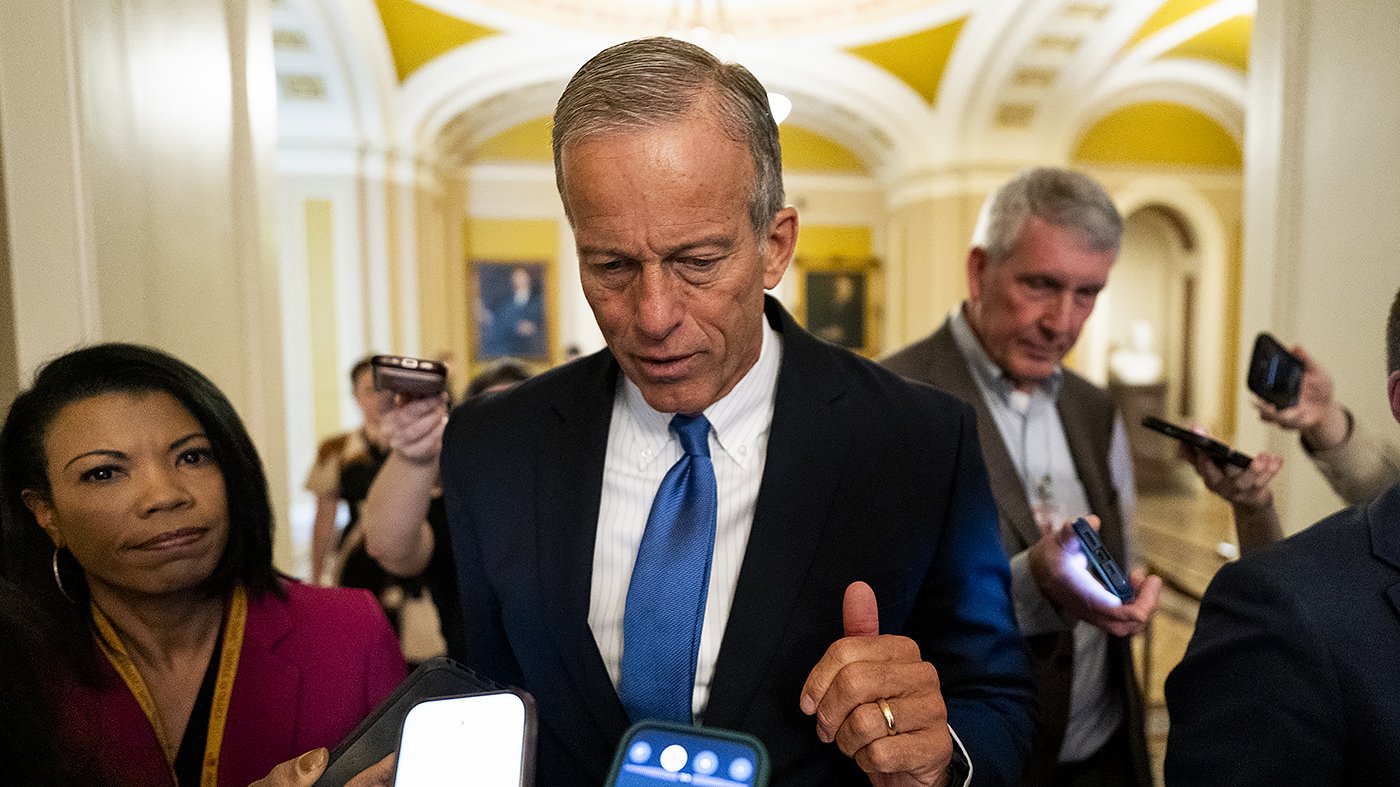
Senate Majority Leader John Thune (R-S.D.) is advocating for a narrow scope to expedite passage through both chambers. However, he faces significant pressure from conservatives within his own conference. Senators like Ted Cruz (R-Texas) are pushing to expand the legislation to include defense appropriations, an inflation-adjusted capital gains tax provision, and a decade-long funding stream for immigration enforcement agencies. They argue this may be the final opportunity to advance key elements of the Trump agenda before potential Democratic gains in the upcoming midterm elections.
Reconciliation Tensions and Strategic Divisions
Thune's strategy of separating ICE and Border Patrol funding from a broader DHS appropriations bill has also drawn fire from House Republicans. Members of the House Freedom Caucus are demanding a comprehensive DHS funding bill via reconciliation, creating a coordination challenge for Speaker Mike Johnson (R-La.). Some conservatives express deep skepticism about the feasibility of a third reconciliation package later this year, viewing the current effort as a last, best chance.
"I think we are likely only to be able to have one other bite at the apple," said Rep. Chip Roy (R-Texas), policy chair of the House Freedom Caucus. He advocated for adding other priorities, including defense spending, to the current vehicle. This internal GOP rift over strategy and scope complicates the path forward, as the reconciliation process allows certain legislation to bypass the Senate filibuster but imposes strict budgetary rules.
FISA Deadline Looming as Negotiations Stall
Parallel to the reconciliation fight, Congress is scrambling to reauthorize Section 702 of the Foreign Intelligence Surveillance Act before a new deadline of April 30. A last-minute, ten-day extension was passed last week, but a longer-term deal remains elusive. Speaker Johnson must broker an agreement with privacy-minded hardliners who are demanding reforms to the warrantless surveillance program. Former President Trump has publicly called for a clean, 18-month extension, adding another layer of political complexity.
The House failed to pass a negotiated deal in a dramatic late-night vote last week, with a dozen Republicans joining nearly all Democrats in opposition. The ongoing stalemate reflects broader tensions within the GOP over national security, privacy, and executive power, even as the administration's broader foreign policy strategy faces scrutiny.
Other Key Developments This Week
The congressional agenda remains crowded with several other high-profile items:
- The House Ethics Committee will hold a hearing Tuesday to consider sanctions, including possible expulsion, against Rep. Sheila Cherfilus-McCormick (D-Fla.) over alleged campaign finance violations.
- The Senate Banking Committee will conduct a nomination hearing for Kevin Warsh, former President Trump's selection to chair the Federal Reserve.
- Ongoing debates over government spending continue to reveal fissures, particularly as the White House's fiscal plans, including its push for TSA privatization in its budget, collide with congressional priorities.
The outcome of the reconciliation and FISA debates will test Republican unity and legislative effectiveness during a critical period. Success on the skinny reconciliation bill could provide a template for moving targeted priorities, while failure could exacerbate internal divisions and stall efforts to resolve the DHS funding impasse. The week's proceedings will also be watched closely in the context of intense political maneuvering ahead of the midterms, where issues like redistricting and campaign finance are already drawing massive attention and resources.