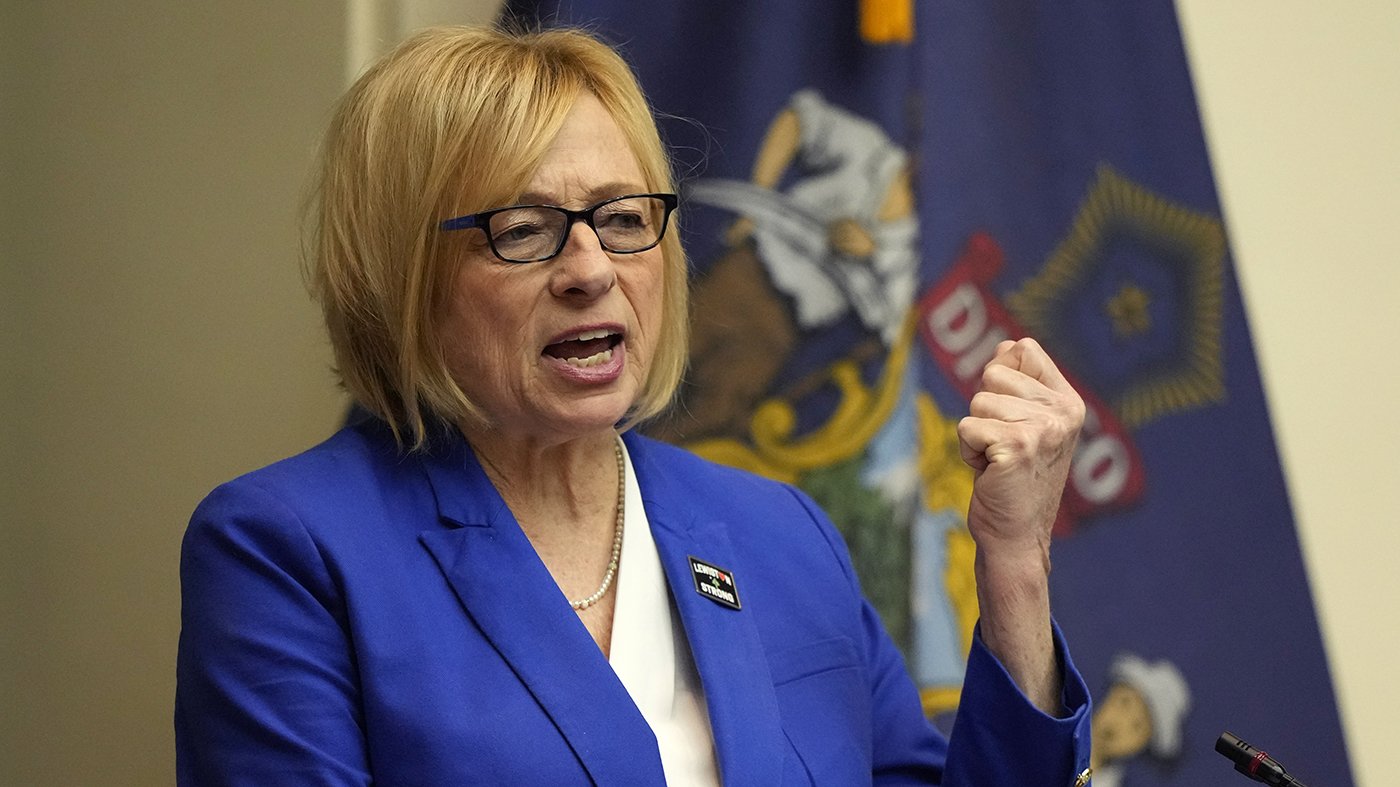
Maine Governor Janet Mills, a Democrat running for the U.S. Senate, vetoed a bill on Friday that would have imposed an 18-month statewide moratorium on large data centers, dealing a setback to a growing national movement to curb the industry's expansion.
In a letter to the Maine Legislature, Mills said she supports a temporary pause on data center development but objected to the legislation because it lacked an exemption for a $550 million project already underway at a former paper mill in Jay. The governor had requested that exception but was rebuffed by lawmakers.

“A moratorium is appropriate given the impacts of massive data centers in other states on the environment and on electricity rates,” Mills wrote. “But the final version of this bill fails to allow for a specific project in the Town of Jay that enjoys strong local support from its host community and region. The 2023 closure of the Androscoggin Mill dealt a devastating blow to the Town of Jay and its surrounding area.”
The legislation, which passed earlier this month, was the first of its kind to clear a state legislature in the United States. It reflected mounting backlash against data centers over their strain on power grids and environmental consequences. While such projects initially enjoyed bipartisan backing in the race to develop artificial intelligence, sentiment has soured as concerns about rising electricity bills and carbon emissions have intensified.
Mills emphasized that Jay had spent two years working on the project to “finally bring jobs and investment back to the mill site.” The mill’s closure in 2023 eliminated hundreds of jobs, and local leaders, including town officials and county commissioners, had voiced strong support for the project, according to the governor’s office. Maine had previously led the nation with a first-of-its-kind ban on large data centers, but this veto signals a more nuanced approach.
To address broader concerns, Mills said she will issue an executive order creating a council to study the impact of data centers in Maine. She has already signed separate legislation barring data center projects from state business development tax incentive programs.
The Data Center Coalition, an industry advocacy group, praised Mills’ decision. “Enacting a statewide moratorium on data centers would have discouraged investment and sent a signal that Maine is closed for business — both for data centers and economic development projects involving other industries,” said Dan Diorio, the coalition’s vice president of state policy. “Critically, it would have denied local communities the opportunity to compete for investment and jobs involving data center projects they found suitable.”
Diorio added that a moratorium “would also have forced Maine to relinquish significant long-term economic investment, high-wage jobs, and critical tax revenue to neighboring states — making life less affordable for Mainers in the process.”
At least a dozen other states are now considering temporary bans on data center projects, reflecting a broader debate over balancing economic growth with environmental and consumer protections. Local backlash against data centers demands smarter deals, not construction bans, as communities grapple with these trade-offs.