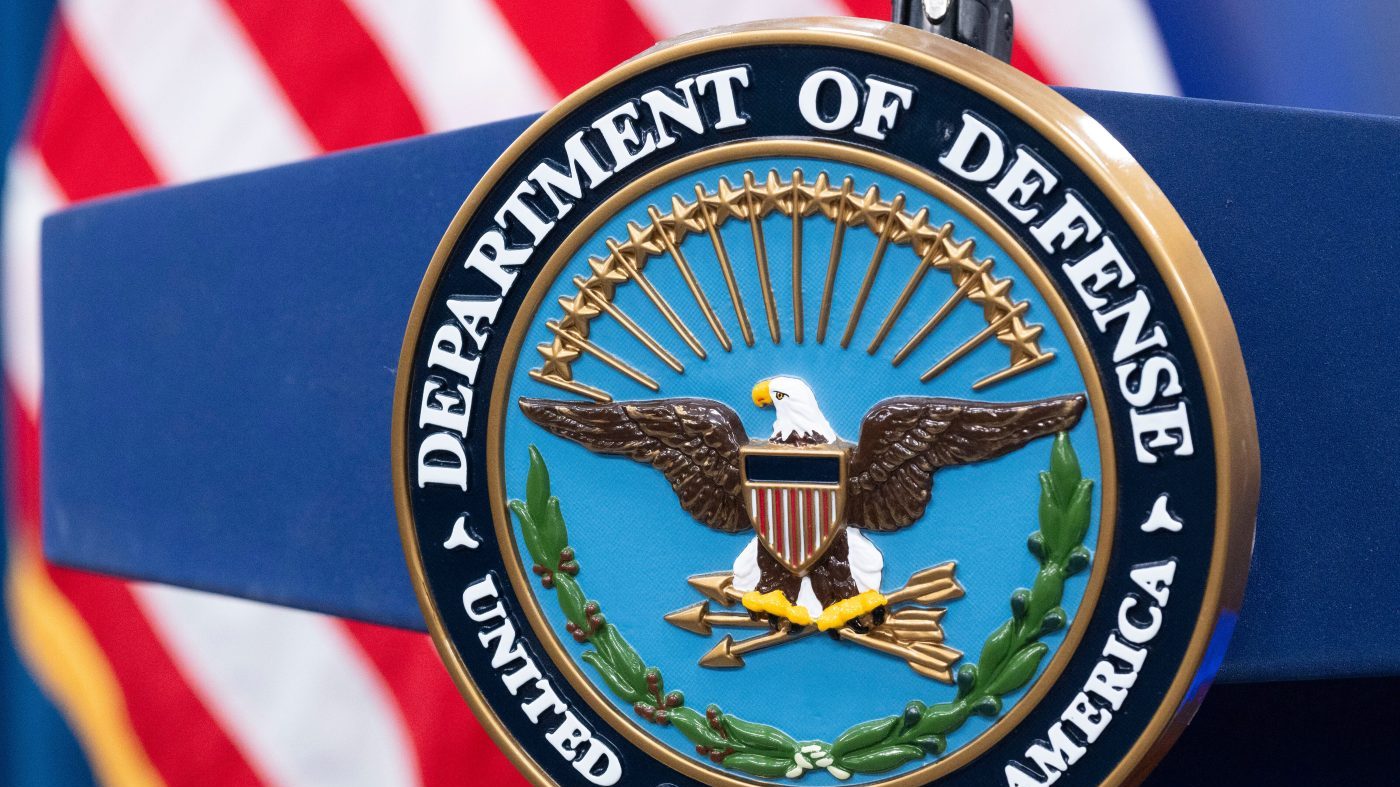
The Pentagon has dismissed Jacqueline Smith, the independent watchdog for the U.S. military newspaper Stars and Stripes, after she raised alarms about political interference in the outlet's editorial operations. Smith, who served as ombudsman since December 2023, announced her firing in an opinion piece published Thursday, saying defense officials offered no explanation and told her the decision “is not grievable.”
“Apparently the Pentagon also doesn’t want you to hear from me anymore about threats to the editorial independence of Stars and Stripes,” Smith wrote. “They fired me.” Her termination is set to take effect on April 28, cutting short her three-year term, which was scheduled to end in 2026.
The ombudsman role was created by Congress in 1991 after military leaders in the late 1980s tried to suppress coverage of the Iran-Contra affair. The position is tasked with monitoring the paper’s editorial independence and reporting concerns to lawmakers at least once a year. Smith said she had recently briefed the House and Senate Armed Services committees about what she described as “great and growing concern about attempted control of the newspaper by the Pentagon.”
“No one should be surprised that they’re kicking out the one person charged by Congress with protecting Stars and Stripes’ editorial independence,” she added.
Pentagon Overhaul Sparks Censorship Fears
The firing follows months of upheaval at the newspaper, which receives about half its funding from the Pentagon but operates with editorial independence from the Defense Department. In January, Chief Pentagon spokesman Sean Parnell announced plans to modernize the paper’s operations and “refocus its content away from woke distractions that syphon morale.” Smith was outspoken in her columns, media interviews, and talks with free press groups, criticizing the Pentagon’s moves to take control of content.
She also condemned a March 9 directive from Deputy Secretary of Defense Steve Feinberg that banned the use of commercial news media content—including news stories, syndicated columns, comic strips, and editorial cartoons—in Stars and Stripes. “Pete Hegseth doesn’t want you to see cartoons in this newspaper anymore,” she wrote in a separate column.
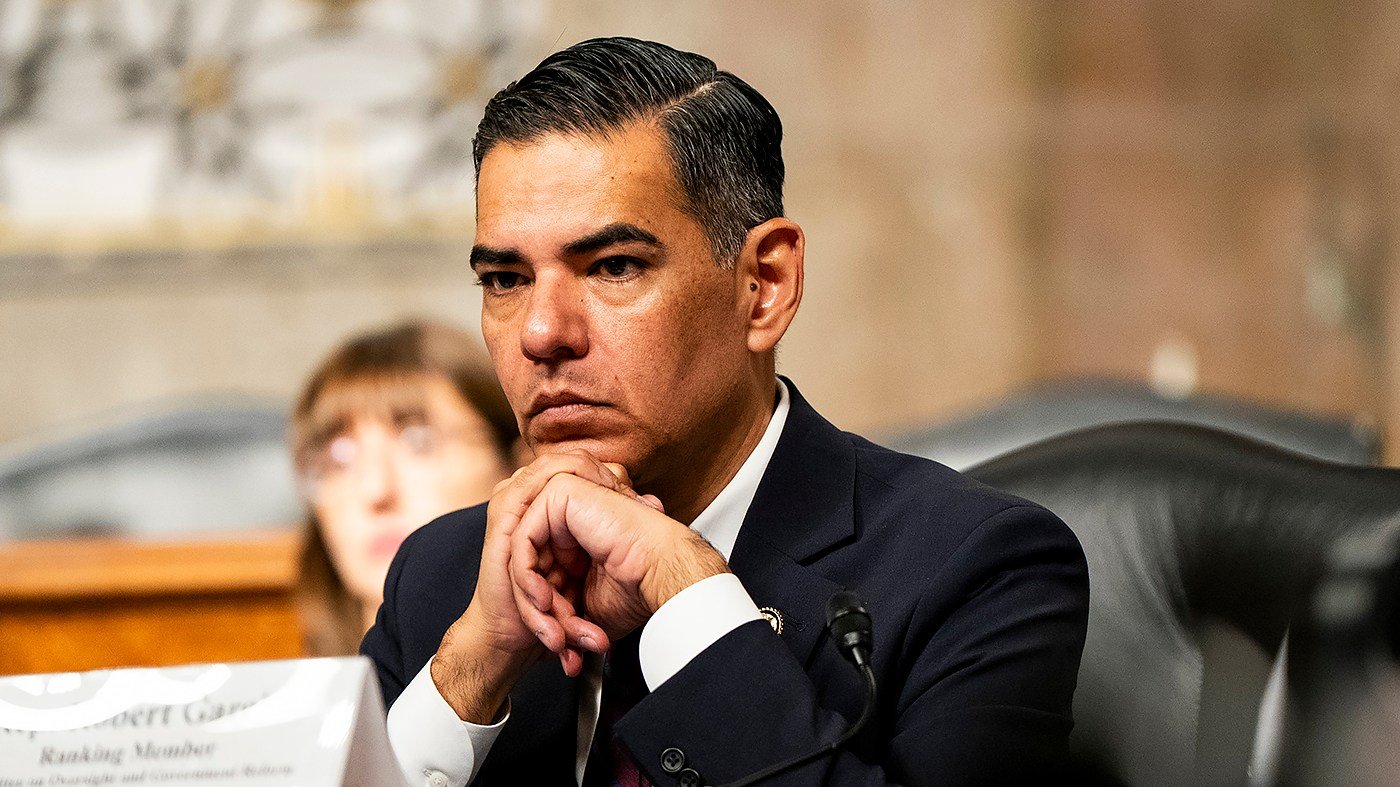
Lawmakers from both the House and Senate reached out to Pentagon leadership to voice concerns about censorship, including an April 15 letter led by Rep. Jamie Raskin (D-Md.) to Defense Secretary Pete Hegseth expressing “great alarm” about political interference. Smith was fired six days later.
Broader Press Restrictions Under Hegseth
The changes at Stars and Stripes are part of a broader pattern under Hegseth to restrict Pentagon reporters. He has sought to bar certain journalists from the building and limit how they seek information from government sources. A federal judge has twice ruled against those restrictions, which the Pentagon is appealing.
Smith said she expected pushback for speaking out but was blindsided by the lack of communication. “I think that Hegseth and company are trying to get around Congress by not eliminating the position, just getting rid of the outspoken present ombudsman,” she wrote. “I knew there would be perils for speaking out against Pentagon attempts to control the news, but I expected some communication or questions or warning first. Nothing.”
The Pentagon’s push to reshape Stars and Stripes comes amid other major moves, including deploying three carrier strike groups to the Middle East and a shakeup that led to the resignation of Navy Secretary Phelan. Critics argue the firing of Smith is a direct assault on the free press protections that Congress established to shield the military’s independent newspaper from political pressure.