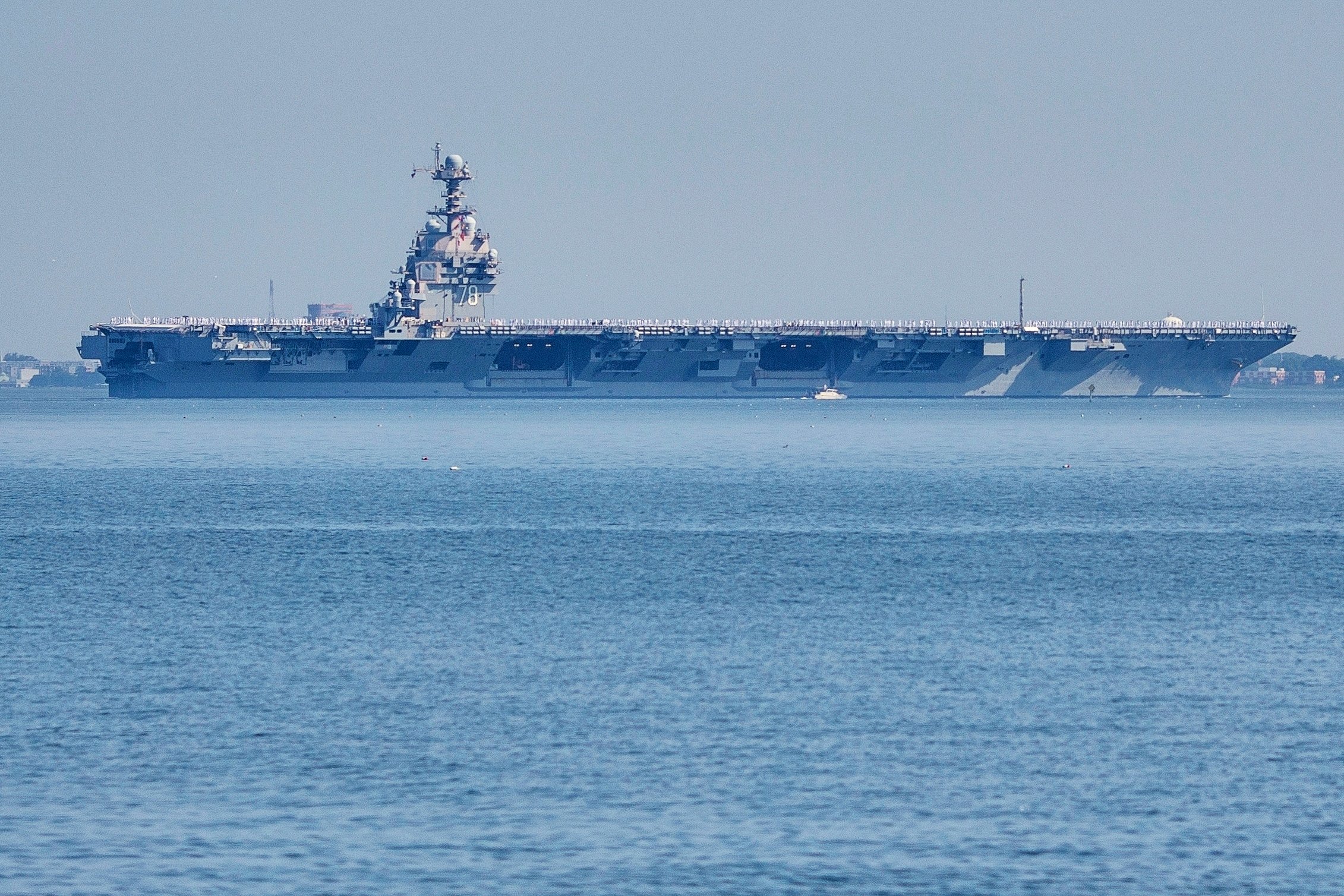
The Pentagon confirmed Friday that three U.S. aircraft carriers are now operating simultaneously in the Middle East—a concentration of naval power not seen in the region for more than two decades. The deployment underscores the Trump administration's escalating pressure campaign against Iran, centered on a stringent naval blockade in the Strait of Hormuz.
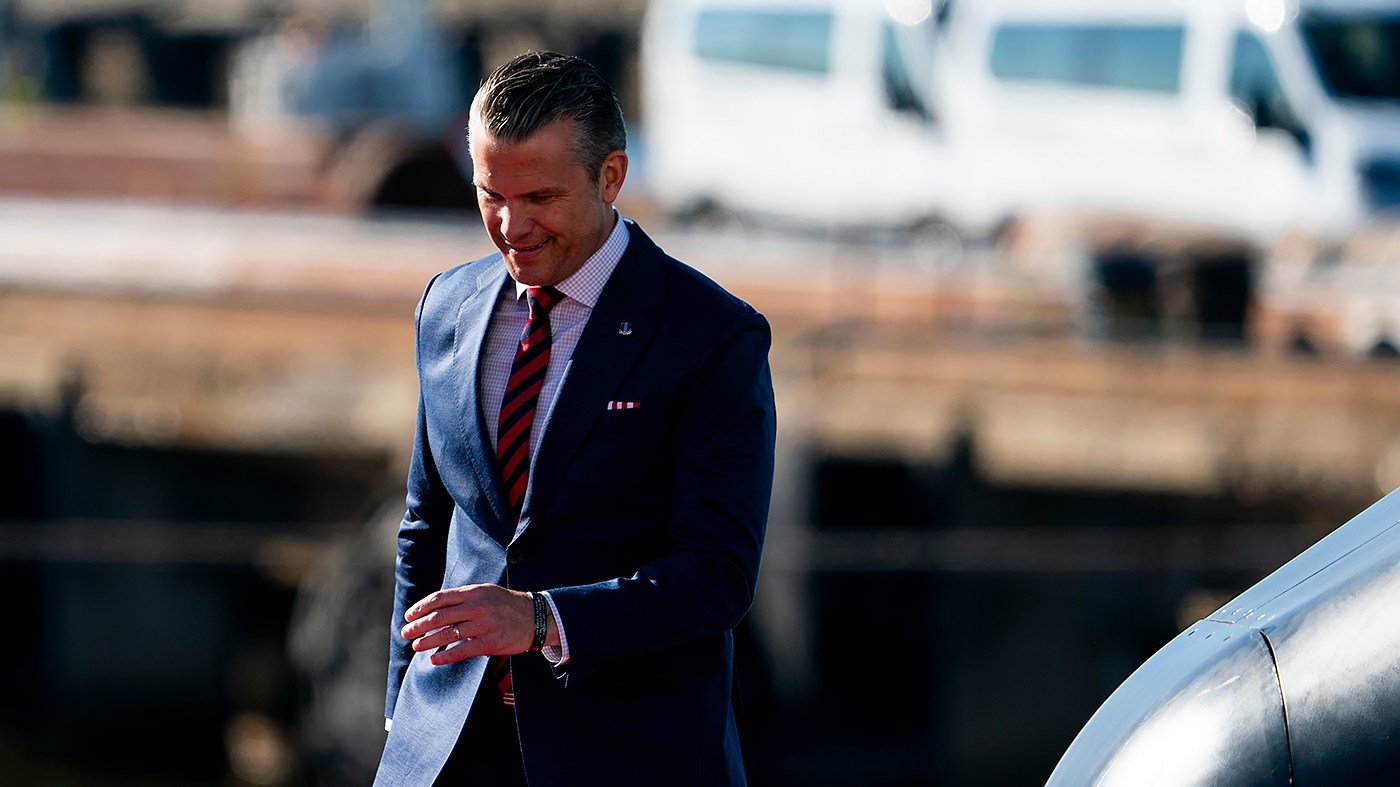
The carriers—USS Abraham Lincoln, USS Gerald R. Ford, and USS George H.W. Bush—along with their air wings, give the military over 200 aircraft and more than 15,000 sailors and Marines at its disposal in U.S. Central Command's area of responsibility. Defense Secretary Pete Hegseth told reporters Friday that the buildup is part of a “growing” and “global” blockade that has already forced 34 Iranian ships to alter course.
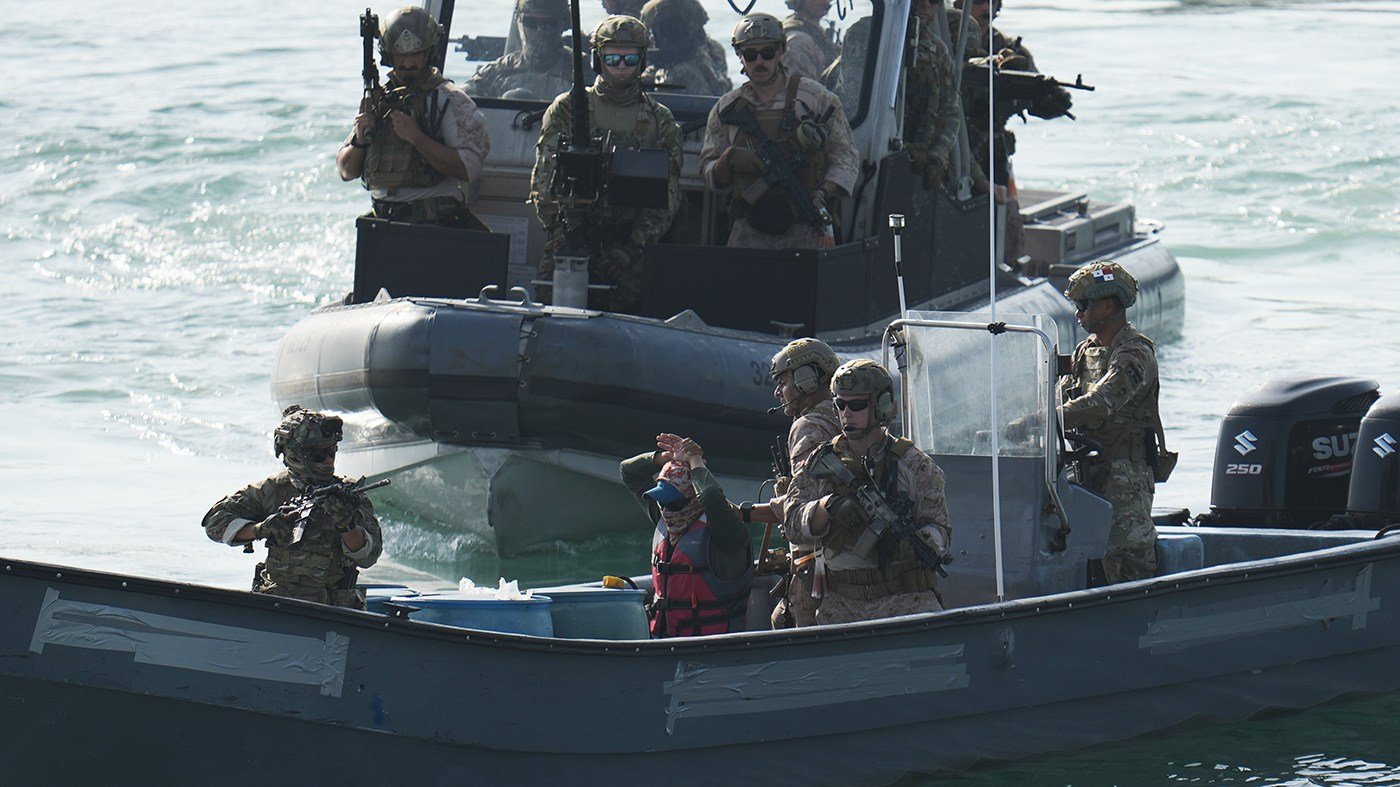
“Every ship that the US believes meets our criteria, either Iranian ships or to and from Iranian ports, has been turned around,” Hegseth said during a Pentagon briefing, emphasizing the operation's reach.
The arrival of the USS George H.W. Bush, a Nimitz-class carrier, is particularly notable. It departed Virginia in late March and took an extended route around the Cape of Good Hope to avoid the Suez Canal and Red Sea, where Iran-backed Houthi rebels have targeted vessels. This movement aligns with Hegseth's assertion that the blockade has “gone global.”
The massive show of force comes as President Trump this week declined to offer a timeline for ending the conflict with Iran, even after extending a ceasefire with Tehran indefinitely. The administration's dual track—maintaining a military blockade while pausing direct strikes—has drawn scrutiny, especially after Senate Republicans blocked a fifth attempt to limit Trump's authority to strike Iran.
The carriers are equipped with a formidable arsenal, including F-35 fighter jets, EA-18G Growler electronic warfare aircraft, F/A-18E Super Hornets, E-2C early warning planes, MH-60S Sea Hawk helicopters, and CMV-22B Ospreys. Analysts say this gives the Pentagon a wide range of options if the president authorizes offensive operations.
The USS Gerald R. Ford, which has been deployed since June and was briefly diverted to the U.S. Southern Command region for a successful raid in Venezuela, may see some relief with the Bush's arrival. Typically, U.S. carriers deploy for about seven months, and the Ford has exceeded that timeline.
Meanwhile, a recent poll shows three-quarters of Americans support the Iran ceasefire, even as war goals remain unmet. The public's appetite for prolonged military engagement appears limited, even as the Pentagon projects strength in the region.
The blockade's effectiveness and the political calculus behind it remain hotly debated. With no clear endgame articulated by the White House, the concentration of three carriers in the Middle East signals a readiness for escalation—even as the administration publicly insists on a ceasefire.