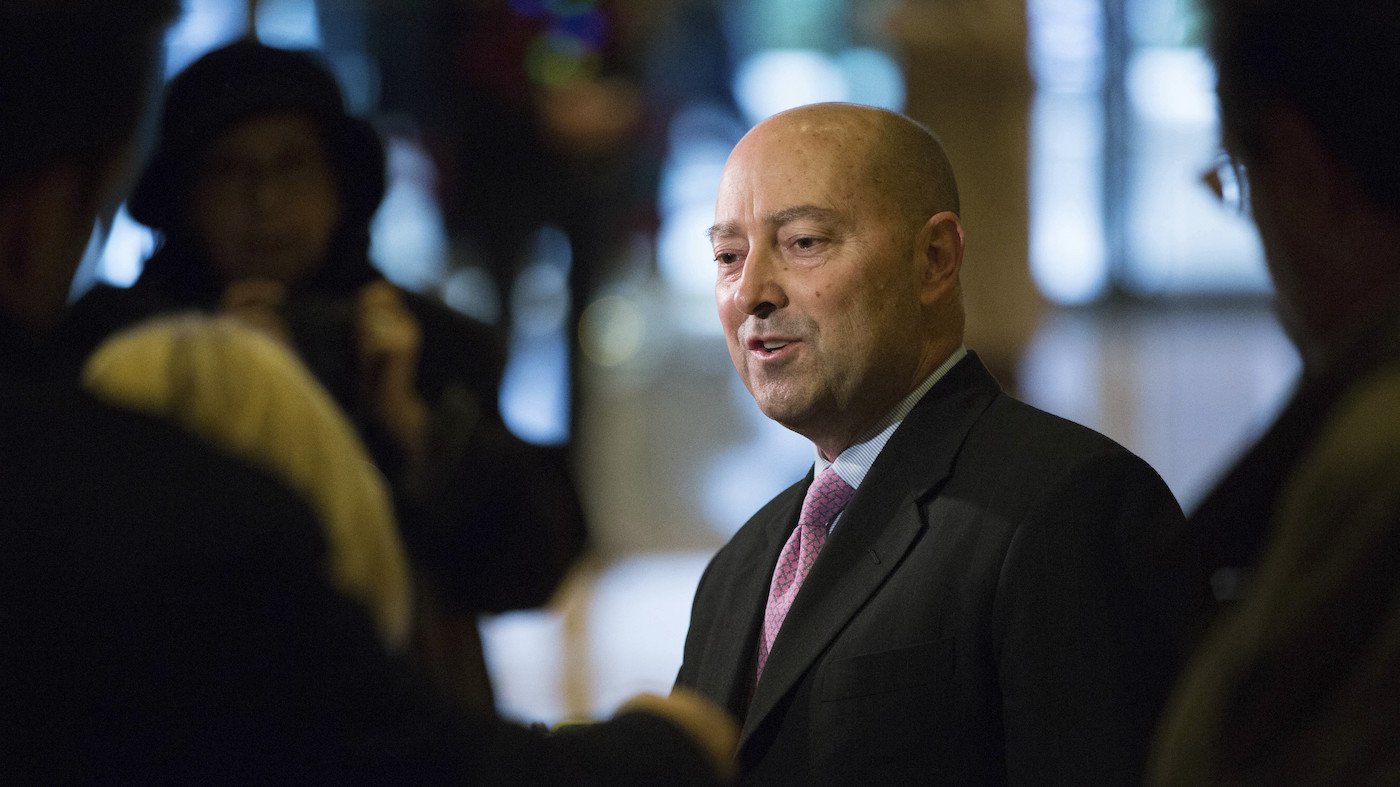
Retired Navy Adm. James Stavridis, the former NATO supreme allied commander, argued Thursday that the key to reopening the Strait of Hormuz lies in the U.S. military's ability to prevent Iran from deploying mines in the waterway. Speaking on CNN's Anderson Cooper program, Stavridis emphasized the need for preemptive action against Iranian small boats before they can lay mines.
“Strategically, what we ought to be doing is going after these small boats before they get underway. And that’s a hard target because there’s a lot of them. They’re distributed,” Stavridis said. He added that the U.S. should also target Iran's mine-laying and ballistic missile capabilities to “try and shut down that Iranian capability to control this trade.”
Stavridis warned that even small boats laden with explosives can deliver a devastating blow, drawing a parallel to the 2000 al Qaeda attack on the USS Cole, which killed 17 U.S. sailors. “If we encounter a vessel actually laying mines in the strait, that is a hostile act, and we should warn them, capture them, and if necessary, attack them,” he said. “Because that is the key to unlocking this strait is to ensure the mines do not dominate.”
The Trump administration has intensified mine-clearing operations in the Strait, a critical chokepoint for roughly one-fifth of the world's oil supply, which has been effectively closed since late February. President Trump declared Thursday on Truth Social that he ordered the Navy to “shoot and kill” any boat caught laying mines, adding, “Additionally, our mine ‘sweepers’ are clearing the Strait right now. I am hereby ordering that activity to continue, but at a tripled up level!”
Stavridis noted that the Navy decommissioned four of its six Avenger-class minesweepers last year, replacing them with littoral combat ships. Currently, only three minesweepers are assigned to the Gulf, but Trump’s remarks signal reinforcements may be on the way.
Commercial traffic through the Strait has been minimal for nearly two months, and uncertainty persists as both Washington and Tehran refuse to back down. Trump extended a ceasefire with Iran at Pakistan’s request on Tuesday, but maintained the naval blockade. Defense Secretary Pete Hegseth told reporters Friday that the U.S. military has turned away 34 commercial vessels since the blockade began.
Last weekend, naval forces intercepted an Iranian-flagged cargo ship attempting to bypass the blockade, according to reports. In retaliation, Iran’s Islamic Revolutionary Guard Corps attacked two ships in the waterway on Wednesday, the U.K. Maritime Trade Operations confirmed. The escalating naval clashes threaten the fragile ceasefire, as detailed in our analysis of the escalating conflict.
Meanwhile, the Pentagon has pushed back against claims that clearing the Strait of mines would take six months, arguing that current efforts are sufficient. The situation remains volatile, with the U.S. seizing Iranian oil tankers and Iran seizing commercial vessels amid stalled negotiations. For more on the ongoing tensions, see our report on U.S. seizures of Iranian tankers.