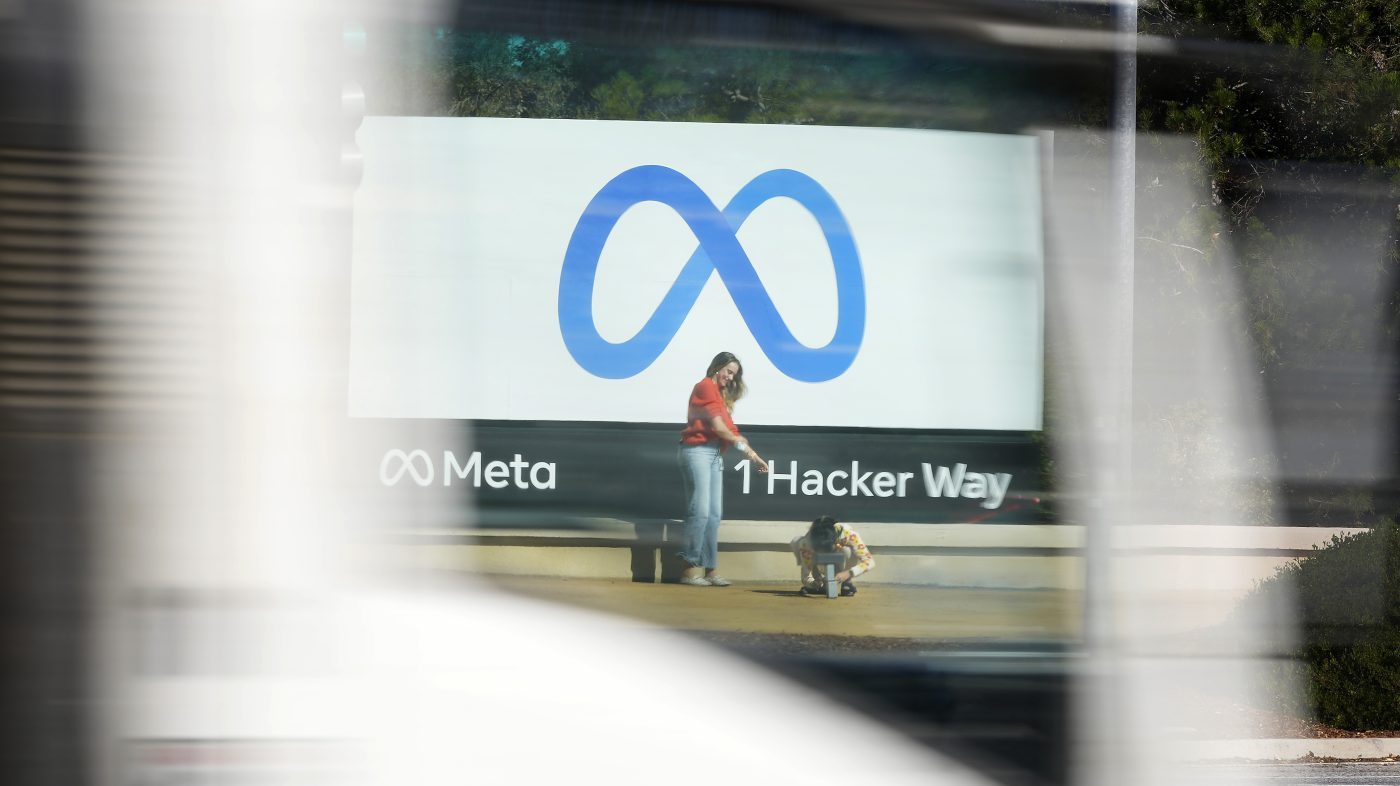
Meta informed employees this week that it will eliminate 10 percent of its workforce, a move that underscores the company's aggressive pivot toward artificial intelligence and its associated costs. The layoffs are scheduled to take effect on May 20, and the company will also close approximately 6,000 unfilled roles.
The announcement came in a memo from Chief People Officer Janelle Gale, which was obtained by Bloomberg and later confirmed by the company to The Hill. Gale described the cuts as part of Meta's ongoing push to operate more efficiently, writing that they will “allow us to offset the other investments we’re making.”

Those investments are staggering. Meta has committed hundreds of billions of dollars to building out AI infrastructure, with a stated goal of achieving superintelligence—a hypothetical system that would surpass human cognitive abilities. The spending spree has alarmed some investors, as the company has warned that 2026 expenses will rise sharply due to infrastructure costs and employee compensation, according to The Associated Press.
The layoffs come at a time when the broader tech sector is also contracting. On the same day, Microsoft announced it would offer voluntary buyouts to roughly 7 percent of its U.S. workforce, affecting thousands of employees, the AP reported.
Gale acknowledged that news of the cuts had leaked before the company could finalize all details. “Normally, we would want to nail down more details before communicating about this broadly,” she wrote. “I know this is unwelcome news and confirming this puts everyone in an uneasy state, but we feel this is the best path forward, given the circumstances.”
She also acknowledged the uncertainty the delay creates, adding: “I know this leaves everyone with nearly a month of ambiguity, which is incredibly distressing.”
The workforce reduction is the latest in a series of cost-cutting measures by Meta, which has already slashed thousands of jobs over the past two years. The company is simultaneously racing to dominate the AI sector, competing with rivals like OpenAI and Google. This push has led to increased scrutiny of how tech giants balance massive AI spending with workforce stability, a topic explored in a recent poll showing overwhelming public demand for AI education in colleges as the workforce transforms.
For Meta, the cuts are a stark reminder of the human cost of its technological ambitions. While the company frames the layoffs as a necessary step toward efficiency, the timing—and the leaked nature of the announcement—has left employees in a precarious position. The broader implications for the tech industry are significant, as similar moves by Microsoft and others suggest a sector-wide recalibration.
The layoffs also come amid ongoing debates about federal workforce policies. For example, the Trump administration's 2027 budget proposed major TSA workforce cuts to accelerate privatization, highlighting a broader trend of workforce reductions across both public and private sectors.
As Meta continues to pour resources into AI, the question remains whether the gamble will pay off. For now, thousands of employees are left waiting—and wondering—about their future.