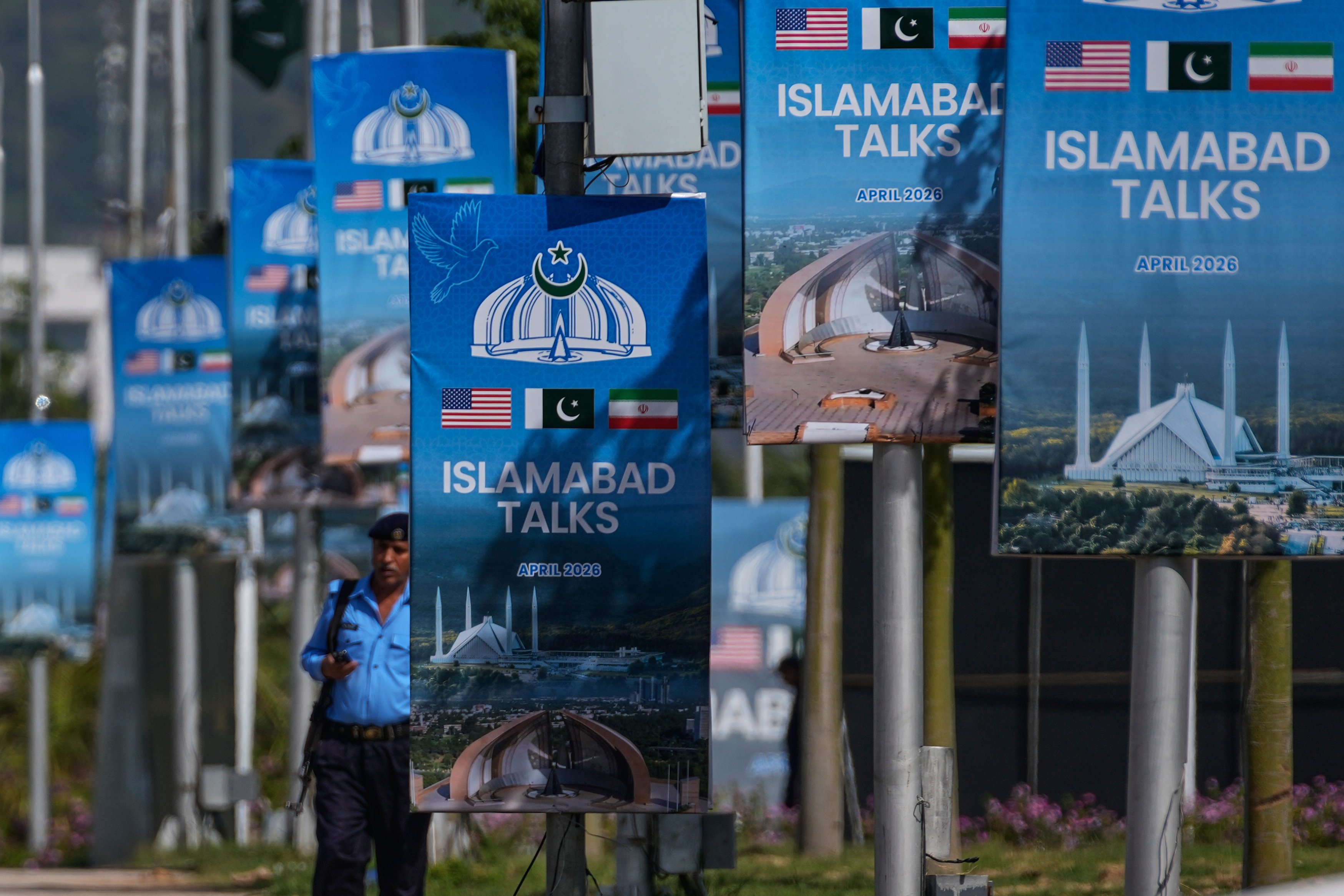
In any negotiation over Iran, the central variable isn't enriched uranium, sanctions, or military de-escalation—it's the political will of the Iranian people. That will has been unmistakable for decades: wave after wave of anti-regime protests have demanded nothing less than regime change. Yet this fundamental reality remains sidelined in diplomatic talks, including those recently held in Pakistan. Nearly 90 million Iranians have lived under repression for 47 years, and their aspirations are treated as secondary to the diplomatic process. The question isn't just what Tehran or Washington wants—it's what becomes of the Iranian nation. Ignoring this isn't merely a moral failure; it's a strategic blunder.
The bitter truth is that the Iranian people have no defender but their own will. Since 1979, they have risen against religious despotism at least 19 times, according to many counts—each uprising crushed with force. The latest crackdown, in January, reportedly left more than 40,000 dead. Those protesters weren't demanding a swap of one tyranny for another; they sought liberty, dignity, and democratic change. Now, many Iranians are no longer thinking about reform—they are preparing for decisive confrontation.
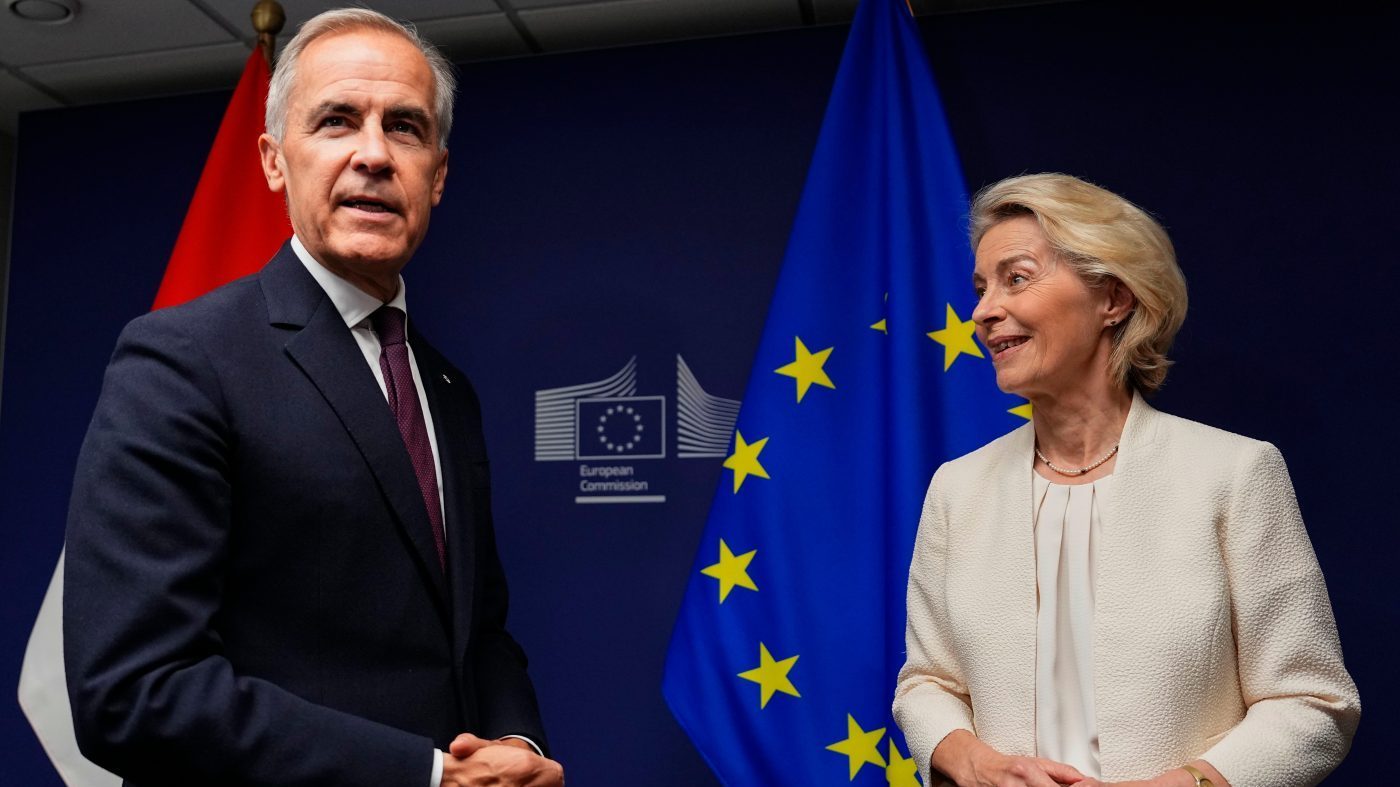
President Trump is focused on Iran's enriched uranium stockpile and preventing a nuclear weapon. That concern is understandable. But Tehran's theocracy is playing a deeper game. Politically, these negotiations are already dead because the leadership refuses to sign any agreement that could be framed as surrender. Iran's rulers still operate under the shadow of 19th-century humiliation, shaped by the Treaties of Gulistan and Turkmenchay. In their political imagination, any deal with Washington risks being seen not as diplomacy but as a modern surrender document for Trump. That fear drives a deeper instinct: resist, delay, and escalate rather than concede.
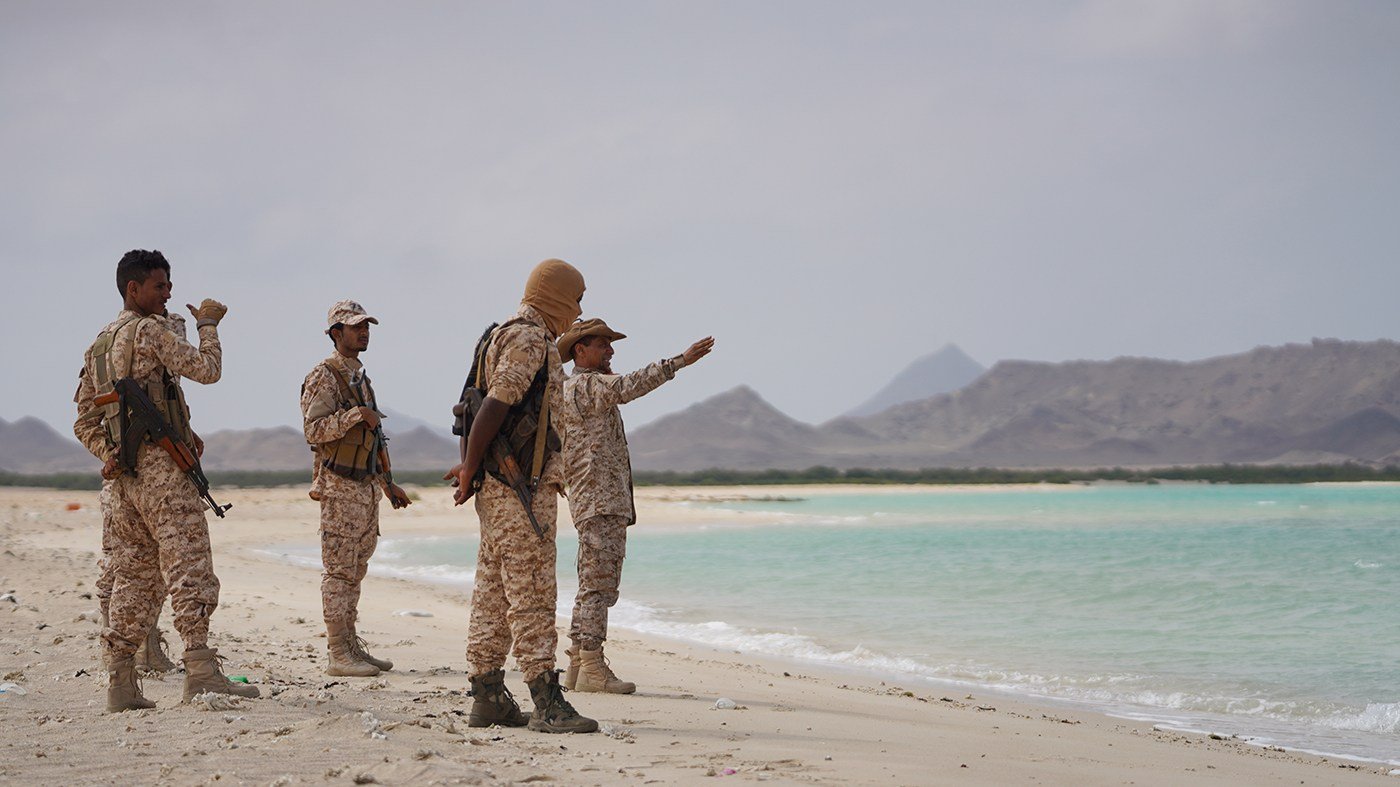
Today, Tehran is openly signaling it will raise tensions rather than lower them. It shows little genuine interest in a lasting ceasefire. Instead, it seeks to reopen the crisis and undermine diplomacy from within. Its signals are contradictory because its strategy is layered: it talks and threatens at the same time. It hints at negotiation while preparing confrontation. It activates allied Shiite militants in Yemen and Iraq to raise the cost for the U.S. and gain leverage—a pattern reminiscent of recent provocations like Trump's order for the Navy to fire on mine-laying boats in the Strait of Hormuz. This is not confusion; it's the classic operating pattern of the ruling clerical order: manufacture crisis, send mixed signals, test resolve, and hope fear produces concessions.
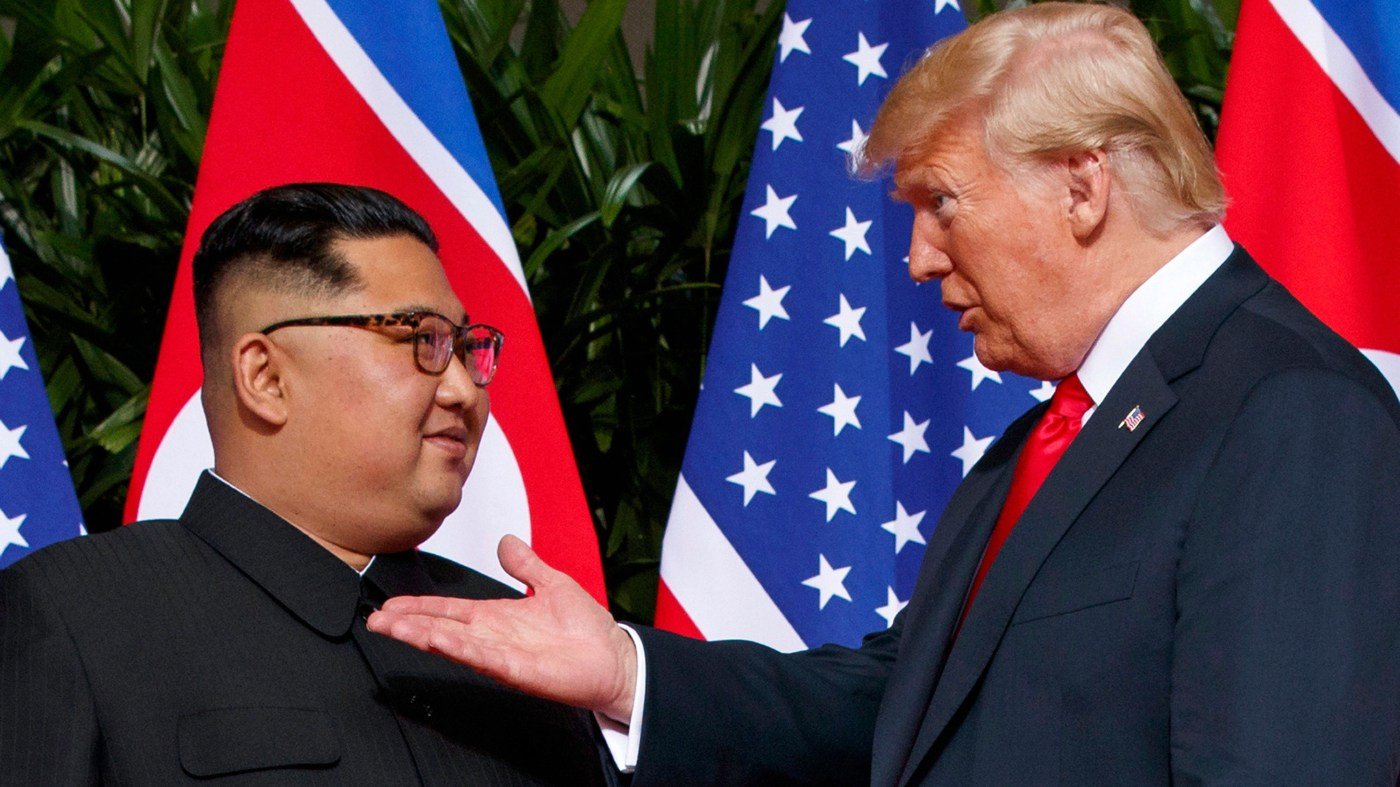
Inside Iran, the situation is unstable. The country is politically shaken, socially exhausted, and economically strained. The regime uses Israel and the U.S. as pretexts to suppress dissent at home. Executions continue. Internet blackouts and censorship have pushed the country toward a model of state control more reminiscent of North Korea than any modern society—systematic isolation, not just repression. Meanwhile, internal fractures within the ruling core are becoming harder to hide. A power struggle is emerging between those focused on regime survival at any cost and those pushing for riskier ideological confrontation. The succession crisis is also becoming more visible, with the public unsure who truly governs. Regime propaganda projects continuity, but beyond staged imagery, even outside observers cannot tell who really holds power.
That uncertainty matters because Washington may not fully understand with whom it is dealing. Trump now faces a dangerous test: if the U.S. issues threats and does not act, its deterrence weakens; if it does act, the conflict may not remain controlled. Tehran understands this dilemma and is trying to exploit it. The regime appears to believe negotiations have already failed and that it has politically outmaneuvered Trump, the U.S., and the West—its own media celebrates the collapse of diplomacy before it even began.
That may be a fatal miscalculation. The regime is evolving into a more overt coercive order sustained by force and crisis. The Iranian people have shown repeatedly that they reject this system. Their demand has not changed. What is changing is the regime itself—from religious despotism into a naked form of rule sustained by pure force, propaganda, and permanent crisis. The world should stop pretending that the Iranian state is a normal negotiating partner moving toward compromise. It is not. It is a collapsing order trying to survive through tension, terror, and deception. In the end, it will be the will of the Iranian people—not the regime's theater—that overturns the equation.
As the regime hardens, its internal contradictions deepen. The same dynamics driving Tehran to escalate abroad are also fueling repression at home, including policies that mirror the isolation seen in other authoritarian states. For instance, the regime's approach to controlling information and movement echoes the tactics used by other regimes facing international pressure, such as the Cuban regime facing unprecedented pressure as international support erodes. Yet Iran's path is distinct: it is not just tightening control but actively seeking confrontation to distract from its own fragility.