Representative Anna Paulina Luna (R-Fla.) has publicly called on President Trump to pardon a U.S. Army soldier accused of making over $400,000 by placing bets on the capture of former Venezuelan President Nicolás Maduro using classified military intelligence. The case has ignited a fierce debate over unequal enforcement of insider trading laws, with Luna arguing that prosecuting the soldier while members of Congress trade stocks with impunity is fundamentally unjust.
The soldier, Gannon Ken Van Dyke, was stationed at Fort Bragg, North Carolina, and involved in planning the U.S. operation that led to Maduro's capture on January 3. Federal prosecutors allege that between December 27 and January 2, Van Dyke used confidential government information to place approximately $33,000 in bets on the prediction market Polymarket, wagering on the timing and success of the mission. When Maduro and his wife, Cilia Flores, were apprehended and brought to the U.S. to face narcoterrorism charges, Van Dyke's bets paid off, netting him roughly $409,881.
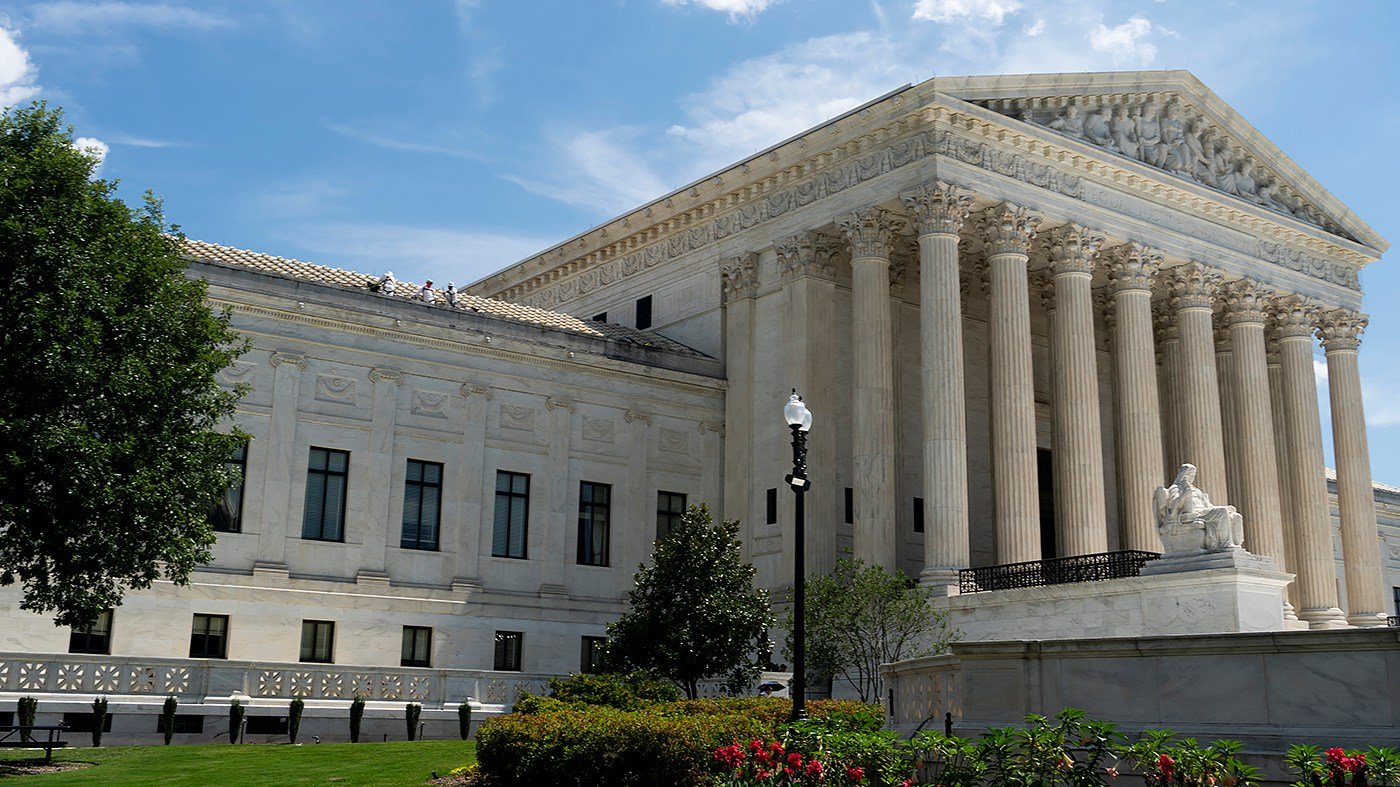
Prosecutors say Van Dyke took steps to conceal his activities, including funneling most of the proceeds through a foreign cryptocurrency vault, then depositing them into a newly created brokerage account. He also allegedly asked Polymarket to delete his account on January 6, claiming he lost access to the associated email, and changed the email on his cryptocurrency exchange to one not under his name. The U.S. Attorney's Office for the Southern District of New York indicted him on three counts of violating the Commodity Exchange Act, one count of wire fraud, and one count of unlawful money transaction.
“Prediction markets are not a haven for using misappropriated confidential or classified information for personal gain,” said Jay Clayton, U.S. attorney for the Southern District of New York, in a statement. “The defendant allegedly violated the trust placed in him by the United States Government by using classified information about a sensitive military operation to place bets on the timing and outcome of that very operation, all to turn a profit. That is clear insider trading and is illegal under federal law.”
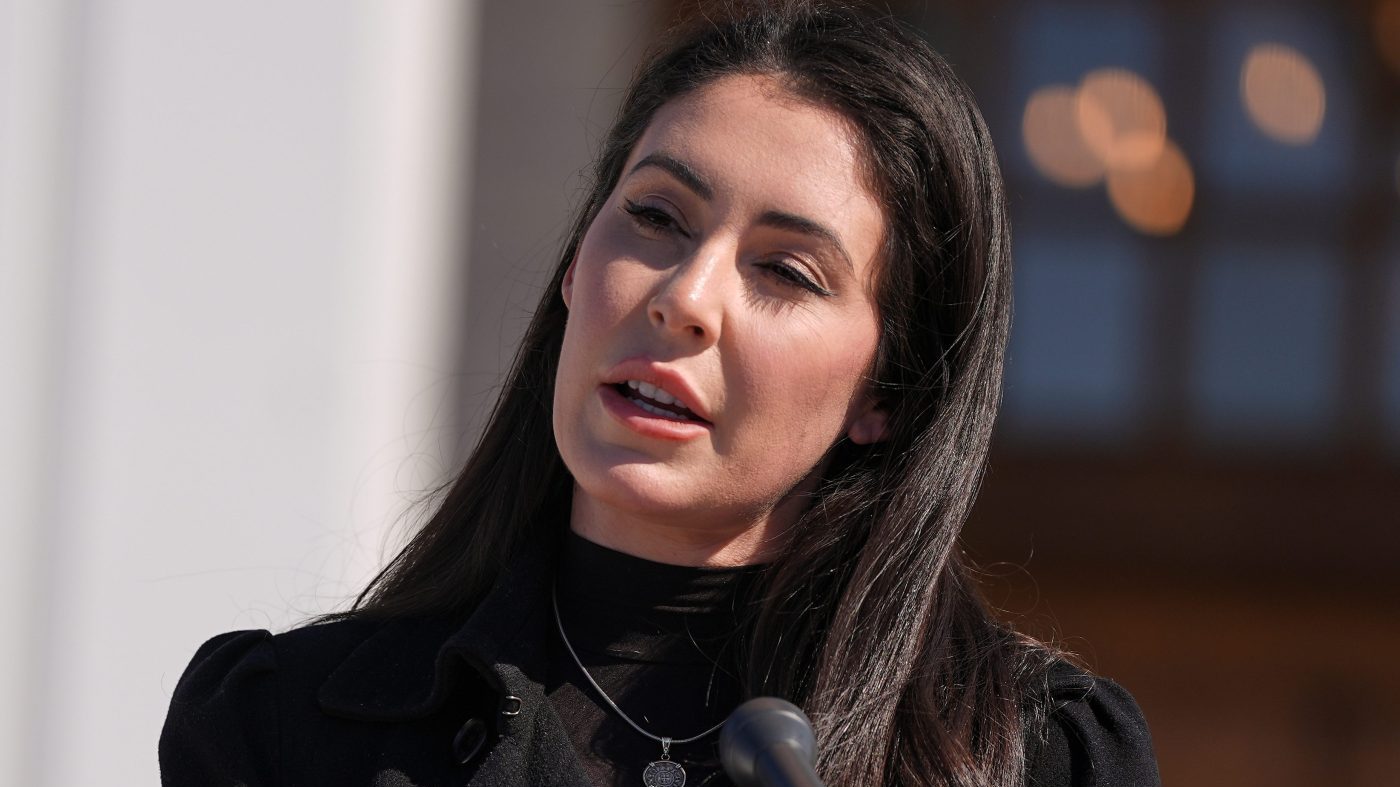
Luna, however, argues that the prosecution is selectively targeting a low-level operative while members of Congress routinely trade stocks based on non-public information without facing consequences. In a post on X (formerly Twitter), she wrote: “Maybe not a popular take but I am calling for this guy to be pardoned. Unless the DOJ plans on going after all the crooks in congress currently insider trading, this is simply skewed justice.”
Luna clarified that she does not condone Van Dyke's alleged actions and believes he should forfeit his profits. But she insisted that prosecuting him while lawmakers engage in similar behavior creates a double standard. “There is no ‘justice’ when guys like this get the book thrown at him yet members are illegally profiting every day,” she added.
The call for a pardon comes amid a long-standing bipartisan push to ban members of Congress from trading individual stocks. A group of House Democrats introduced a bill last month that would prohibit the president, vice president, lawmakers, candidates for federal office, and their spouses and dependents from buying or selling individual stocks. Similar proposals have emerged in both chambers, but disagreements persist over whether to include the executive branch. In January, the House Administration Committee advanced a GOP-backed bill by Representative Bryan Steil (R-Wis.) that would allow lawmakers to hold existing stocks but ban new purchases. No further action has been taken on that measure.
The Van Dyke case highlights the growing intersection of classified military operations and financial markets, raising questions about accountability and equity in the justice system. Meanwhile, the broader debate over congressional stock trading continues to simmer, with polls showing strong public support for reform. As Luna pushes for a presidential pardon, the controversy underscores the tensions between national security, personal profit, and political privilege.